Stanford Violated Its Own AI Policy by Race-Swapping Student Photo
University confirms it used generative AI to replace a Hispanic student with a fabricated Black woman in a dining hall advertisement, breaching institutional guidelines.
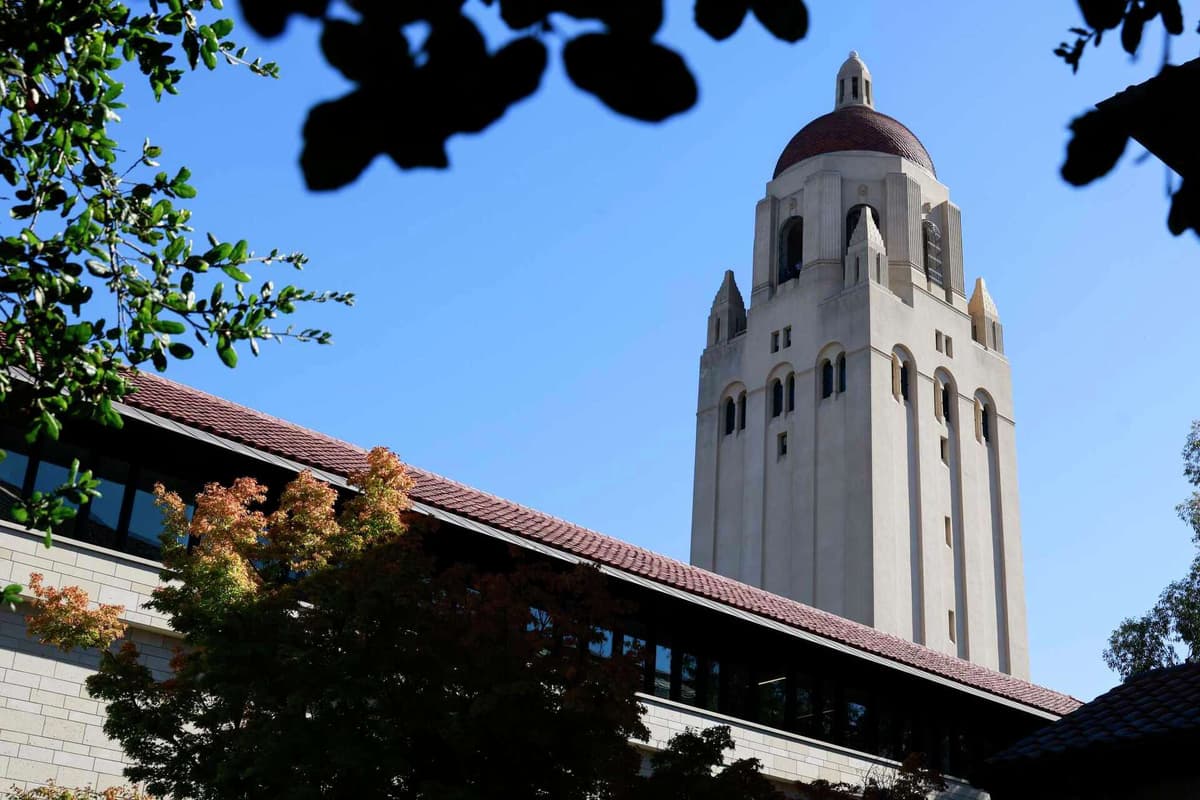
Policy breach at AI pioneer institution
Stanford University has confirmed it violated its own artificial intelligence policies after using generative AI to alter a student photograph for a campus dining hall advertisement. The manipulation replaced a Hispanic male student with an AI-generated image of a Black woman who does not exist.
The student affected, Billy Ramirez, told the Stanford Review he felt "silenced and erased from a representation that was supposed to include me." The original 2024 photograph showed Ramirez and two classmates—an Asian woman and a white man—holding plates of noodles in a campus dining facility. While his two classmates remained visible in the altered version displayed on a campus banner, their faces also appeared modified by AI to look thinner.
Why it matters
The incident highlights the governance challenges universities face as generative AI tools become ubiquitous, even at institutions that helped pioneer the technology. When organizations fail to enforce their own AI policies, they risk not only misrepresenting individuals but also undermining trust in how they deploy emerging technologies. For enterprises implementing AI guidelines, Stanford's misstep demonstrates that policy creation alone is insufficient without proper training and enforcement mechanisms.
University acknowledges violation
Charlene Gage, a Stanford spokesperson, confirmed the policy breach and outlined the university's response. "Stanford's AI policy is clear: The use of AI in producing or altering images of Stanford people, events, research, facilities, or achievements is strictly prohibited," Gage said. "Both the alteration and lack of disclosure in this case violate that policy."
The university stated it is working to provide additional training for staff and ensure proper review of materials going forward. The violation occurred within Stanford's Residential & Dining Enterprises department, which appears to have used AI multiple times earlier this year to create promotional posters for meal deals.
Broader pattern in higher education
Stanford's incident reflects a growing pattern of AI-related controversies at universities. New York University drew criticism last year after sending a fundraising email featuring an AI-generated image from a freelance artist that depicted headless bodies and a detached limb. In July, Pomona College's student-operated gift store faced backlash for using AI to create advertising flyers for social media.
The Stanford case carries particular irony given the university's pioneering role in artificial intelligence research. Stanford established one of the world's first AI laboratories in 1965, making it a six-decade leader in the field now challenging its own institutional practices.
The Stanford Review first reported the AI alteration and its impact on the affected student.
This is an original analysis by the Omega editorial team. Source reporting: AI Watch.
Want systems like this working for your business?
Book a Call