China Builds Massive Data Center Network in Rural Regions for AI
Inner Mongolia's potato fields now host infrastructure for ByteDance, Huawei, and DeepSeek as Beijing races toward 2030 AI dominance goals.
China's AI infrastructure push transforms remote provinces
In Ulanqab, a region of Inner Mongolia known primarily as China's "potato capital," construction crews are building massive data centers that will power the country's artificial intelligence platforms. The contrast is stark: farmers harvest potatoes in fields adjacent to sprawling construction sites where hundreds of workers erect the computing infrastructure Beijing considers essential to national security.
The scale and speed are notable. "This is China speed," one worker told the BBC, which first reported from the construction sites. An electrical engineer explained that the facility is already in its second phase, with many more planned. These data centers will serve major Chinese tech companies including Huawei, ByteDance, and DeepSeek.
China is building hundreds of such facilities across sparsely populated provinces—Ulanqab, Ningxia, and Gansu in the north, and Guizhou in the southwest. The strategy leverages cheaper land, cooler climates that reduce water demand for cooling, and existing renewable energy capacity from wind and solar installations in these regions.
Why it matters
This infrastructure buildout directly supports China's stated goal of embedding AI across 90% of industries and society by 2030. The Chinese Communist Party views these computing resources as critical to both economic competitiveness and national security, particularly as US-China tensions over AI development intensify. The timing is especially significant as Presidents Xi Jinping and Donald Trump meet to discuss AI safety, among other issues.
Talent retention shifts toward China
Beyond physical infrastructure, China is cultivating domestic AI talent. Jack Zhang from the University of Science and Technology of China, who previously studied at Yale and Cambridge, noted a clear trend: "Fewer students and researchers are heading to the US, and more are returning from the US to China." He cited greater access to resources, personnel, and government support for translating AI research into practical applications.
China now produces approximately five million science and technology graduates annually, compared to roughly half a million in the United States. AI developer Dang Ronghao, 27, who works for a leading tech company in Shanghai, described an expanding ecosystem: "I've seen research combining AI with nuclear fusion, AI with astrophysics, AI with new materials, and AI with the development of new drugs."
Open-source strategy and chip constraints
President Xi has encouraged Chinese AI firms to develop more affordable, open-source models that allow modification by users, companies, and countries. This approach contrasts with closed models from US developers like OpenAI and Anthropic. The strategy has helped Chinese firms innovate rapidly despite limited access to advanced chips due to US export restrictions.
Beijing also seeks greater influence in establishing global AI governance frameworks, with Xi repeatedly calling for international regulation.
Local impacts and concerns
The transformation brings complications. While China aims for most data centers to run on renewable energy by 2030, some grid power still comes from coal. Water supply remains a concern in arid regions of Inner Mongolia. Entire villages have been relocated, though details about numbers and compensation are difficult to obtain.
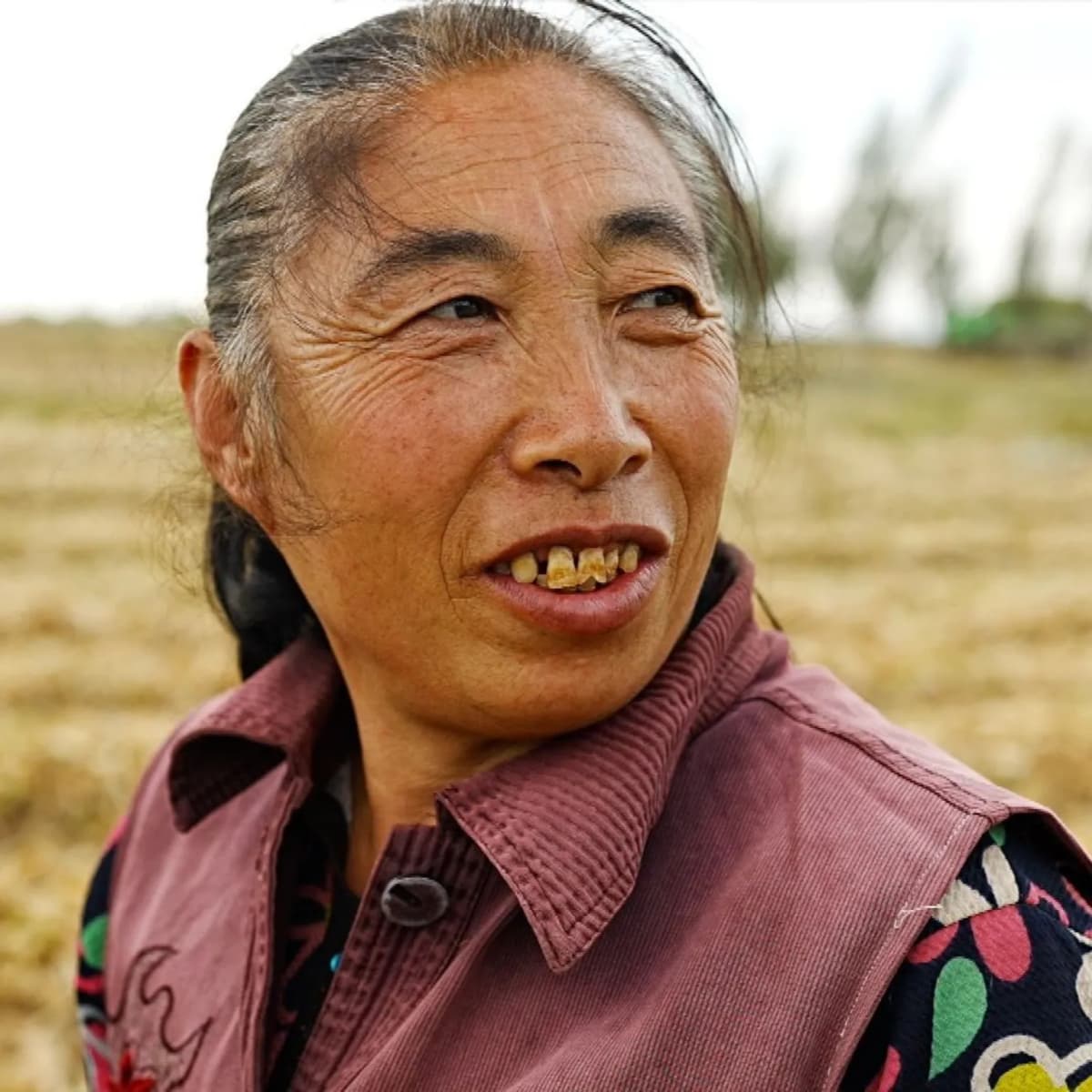
Local economic benefits appear mixed. One anonymous resident stated that "few locals had found jobs there," while others expressed concerns about land seizures affecting farming livelihoods. However, some residents are optimistic, with one man noting his children found employment at the facilities.
Professor Liu Jun of Tsinghua University, who has studied at Harvard and Stanford, pointed to cultural challenges: "I keep encouraging students here to ask more questions, to challenge more, but that's hard to change."
Meanwhile, many rural residents remain disconnected from the AI revolution. One farmer checking on his sheep said he has no use for AI and barely uses the internet, noting, "Big data and all that… pretty good – but it has nothing to do with me."
These details were first reported by the BBC, which visited construction sites and interviewed residents in Inner Mongolia.
This is an original analysis by the Omega editorial team. Source reporting: AI Watch.
Want systems like this working for your business?
Book a Call