Stanford Researchers Use AI to Design Bacteria-Killing Viruses
Therapeutic phages could combat drug-resistant infections, but the same technology raises biosecurity concerns.
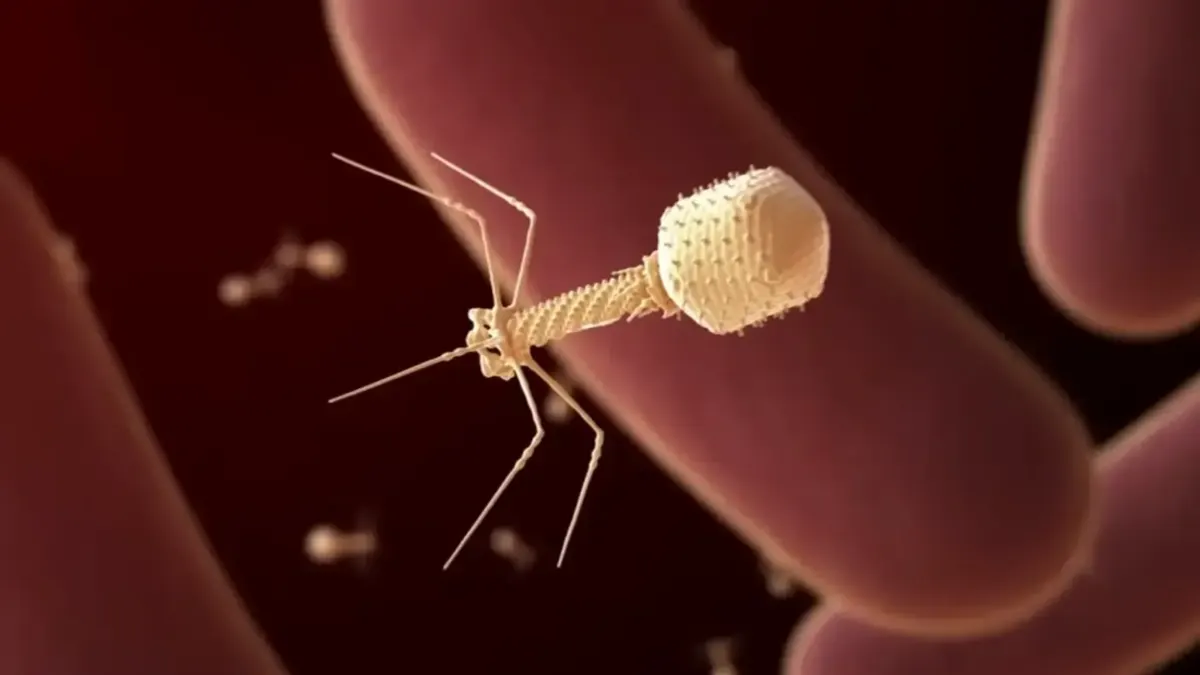
AI-designed viruses target drug-resistant bacteria
Researchers at Stanford University are using artificial intelligence to engineer viruses capable of attacking bacterial infections—a development that could provide new weapons against drug-resistant pathogens but also introduces significant biosecurity risks.
Brian Hie, the Stanford researcher leading the project, is designing bacteriophages—viruses that naturally prey on bacteria—using AI systems. These custom-built phages are intended to fight bacterial infections that no longer respond to conventional antibiotics, a growing crisis in modern medicine.
The technology represents a shift from discovering existing phages in nature to computationally generating new ones tailored for specific therapeutic purposes. Hie's longer-term vision extends beyond bacteria-killing viruses to using AI for creating more complex biological systems that could address difficult-to-treat diseases.
Why it matters
Antibiotic resistance kills an estimated 1.27 million people globally each year, according to recent studies, and the pipeline for new antibiotics has largely stalled. AI-designed phages could offer a personalized medicine approach where viruses are engineered to match a patient's specific bacterial strain. However, the dual-use nature of this technology means the same tools could theoretically be used to create dangerous pathogens. The research highlights an emerging tension in biotechnology: breakthrough therapeutic capabilities that simultaneously create new vectors for harm.
Biosecurity experts sound alarm
While the therapeutic applications show promise, some experts in biosecurity have expressed concern about the technology's potential misuse. The same AI capabilities that enable beneficial virus design could, in the wrong hands, be weaponized to engineer pandemic pathogens.
This concern echoes broader debates in the scientific community about publishing or openly sharing research that has clear dual-use potential—work that could advance medicine but also enable biological threats.
The phage therapy renaissance
Bacteriophages were used to treat infections before antibiotics became widely available in the 1940s. Interest in phage therapy has resurged as antibiotic resistance has spread, but traditional approaches rely on finding naturally occurring phages that happen to match a patient's infection. AI-driven design could accelerate and customize this process, potentially creating phages on demand for specific bacterial targets.
The details of this research were first reported by NPR.
This is an original analysis by the Omega editorial team. Source reporting: AI Watch.
Want systems like this working for your business?
Book a Call