SpaceX AI Data Centers in Memphis Spark National Backlash
Two years after Elon Musk's rapid buildout in Tennessee, residents cite noise and pollution as other states enact restrictive policies.
Rapid expansion meets resistance
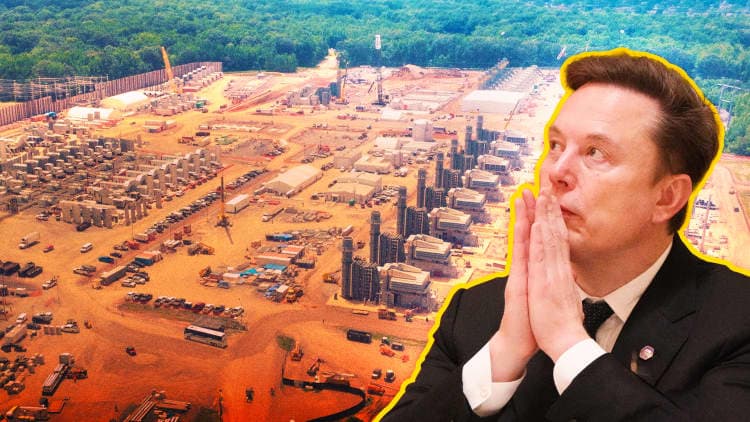
Two years after Elon Musk established SpaceX's AI data center operations in Greater Memphis, the region has become a cautionary example for communities nationwide confronting similar developments. The Colossus and Colossus II facilities, built at unprecedented speed to support AI training workloads, now face multiple lawsuits and have catalyzed policy changes across several states.
The backlash extends beyond Tennessee. New York Governor Kathy Hochul enacted a one-year moratorium on AI data center construction this week, while New Jersey Governor Mikie Sherrill signed legislation requiring data center operators to pay their full share of electricity costs rather than shifting expenses to other ratepayers.
Why it matters
The Memphis experience reveals a fundamental tension in AI infrastructure deployment: the technology sector's need for massive computing capacity conflicts with local communities' quality of life and environmental concerns. As companies race to build AI capabilities, the precedent set in Memphis—where construction proceeded without substantial community consultation—is shaping regulatory responses nationwide. The outcome will influence where and how the next generation of AI infrastructure gets built.
Noise, emissions, and legal action
Residents living near the facilities report persistent noise from gas-burning turbines powering the data centers. Jason Haley, a Southaven, Mississippi resident whose home sits within a mile of the site, described the sound as "like a form of torture." Haley joined a proposed class action lawsuit filed in June against SpaceX, alleging the company created a public nuisance.
In April, the Southern Environmental Law Center and Earthjustice sued on behalf of the NAACP, claiming SpaceX violated the Clean Air Act by operating dozens of gas turbines without required permits or pollution controls. The turbines can emit thousands of tons of nitrogen oxides annually, according to manufacturers' specifications.
The U.S. Department of Justice intervened in May, arguing that SpaceX's technology supports military operations and is crucial for national security, requesting the court dismiss the environmental suit.
Economic promises versus community impact
SpaceX completed Colossus I in 122 days and has purchased over 1,100 acres in Greater Memphis for its operations. The company paid $25 million in taxes during its first year, making it Shelby County's second-largest taxpayer after FedEx, according to Memphis Mayor Paul Young.
Despite the tax revenue, residents report increased utility bills and limited employment benefits. Data centers require minimal staff once operational, generating fewer jobs than traditional industrial facilities of comparable scale. Loretta Thornton, a Whitehaven resident whose property borders Colossus II, said she cannot sell her home due to its proximity to the facility.
Memphis Light Gas & Water stated that water and electricity rates "have not been impacted" by SpaceX, noting that a 4% annual rate increase beginning in 2024 was unrelated to data center demand.
Ripple effects across states
A May Gallup poll found 70% of Americans oppose AI data center construction in their local areas, with 48% strongly opposed. Communities in Olive Branch and Jackson updated zoning laws specifically to avoid Memphis-style conflicts. In Utah, Senate President Stuart Adams lost his Republican primary after supporting a data center proposal.
The NAACP released guidance in January for communities facing similar developments, emphasizing that companies often target areas with existing industrial pollution. Attorney Abre' Conner noted this approach deepens "sacrifice zones" in communities already burdened by environmental hazards.
SpaceX pulled off a record-setting IPO in June, with computing agreements from Google, Anthropic, and Reflection AI worth up to $2.32 billion monthly. The company argues its current turbines are temporary and that permitted equipment with pollution controls is planned.
These details were first reported by CNBC.
This is an original analysis by the Omega editorial team. Source reporting: AI Watch.
Want systems like this working for your business?
Book a Call
