Fed AI Task Force Draws Senate Scrutiny Over Tech Industry Ties
Senators question whether venture capitalists and tech executives can fairly assess AI's impact on American workers.
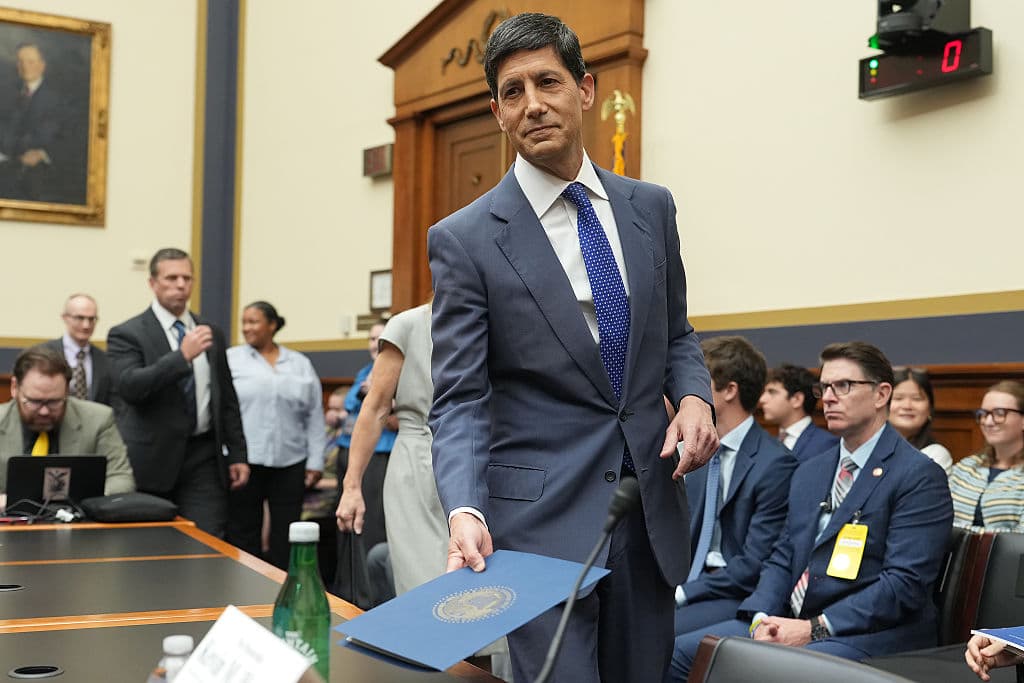
Federal Reserve Chairman Kevin Warsh faced sharp questioning from Senate Democrats this week over the makeup of a newly formed task force examining artificial intelligence's economic effects, with lawmakers arguing the panel lacks voices representing workers who may be displaced by the technology.
The productivity and jobs task force, one of five independent groups Warsh recently established, includes Marc Andreessen of venture capital firm Andreessen Horowitz, Asha Sharma who leads Microsoft-owned Xbox, and Stanford economist Charles I. Jones, currently on leave at AI company Anthropic. The group will assess AI's economic impact to inform the Fed's policy decisions.
Senate raises conflict concerns
During a Senate Banking Committee hearing Wednesday, Sen. Tina Smith (D-Minn.) pressed Warsh on whether the panel's composition creates credibility issues. She noted Andreessen has generated billions from AI investments and is a major Trump donor, Sharma recently oversaw thousands of Xbox layoffs, and Jones currently works for a leading AI firm.
"Is there anyone on the task force who has experience in the labor market?" Smith asked. "Or somebody who can bring the perspective of an employer rather than an investor?"
Smith questioned whether a task force "led by people, in large part, who are likely to get richer by AI" could credibly address concerns of workers worried about job displacement.
Warsh defends expertise, promises worker input
Warsh acknowledged the question as fair but defended the three members as "the smartest people" he knows. He emphasized Jones's academic research on how technology disruptions affect labor markets and stressed that the task force provides recommendations only — final policy decisions rest with Warsh and his 18 Fed colleagues who hold the dual mandate of maximum employment and stable prices.
"We haven't outsourced this decision to three people," Warsh said. "What we've outsourced to is a bunch of thinking about this massive technology shock."
The Fed chair told Smith he expects the task force to "hear from folks that will be affected" by AI and from employers grappling with the technology's impact. Sen. Lisa Blunt Rochester (D-Del.) reinforced the call for broader representation, urging Warsh to ensure "Main Street has equal footing to Wall Street" and include "families, businesses, people that are actually both consuming and impacted by AI."
Warsh committed to keeping the Fed's focus on Main Street but stood by his selections: "If you think they have a credibility deficit, I don't. I think they're incredibly talented."
Why it matters
The composition debate highlights a fundamental tension in AI policymaking: whether those positioned to profit most from the technology can objectively assess its risks to employment and wage stability. As the Federal Reserve weighs how AI-driven productivity changes should influence interest rate decisions and economic forecasts, the voices shaping that analysis will directly affect millions of American workers navigating technological disruption.
Details of the hearing were first reported by FedScoop.
This is an original analysis by the Omega editorial team. Source reporting: AI Watch.
Want systems like this working for your business?
Book a Call
