SK Hynix plans $29B Nasdaq listing to tap AI chip frenzy
The South Korean memory chipmaker's U.S. debut targets American investors and aims to close a persistent valuation gap with rival Micron.
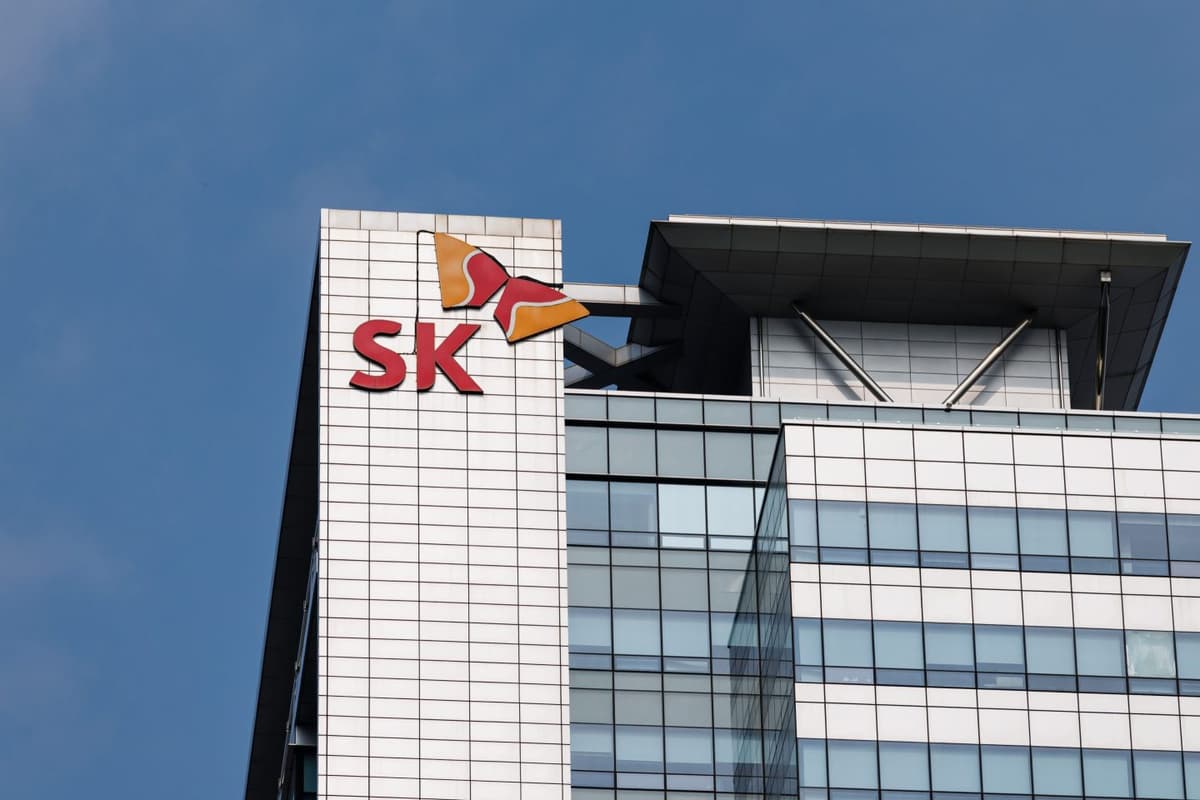
SK Hynix is preparing to list on the Nasdaq exchange with a $29 billion offering that could become the largest first-time U.S. stock sale by a foreign company. The South Korean memory chip manufacturer expects to begin trading on July 10, according to Fortune, which first reported the details.
The listing comes as memory chip stocks ride an unprecedented wave of investor enthusiasm driven by artificial intelligence infrastructure spending. SK Hynix and its U.S.-based rival Micron Technology have both seen their market capitalizations surge past $1 trillion over the past year, with shares gaining approximately 700% during that period.
Why it matters
For most American investors, owning SK Hynix has been impractical or impossible. The company's primary listing in South Korea requires off-hours trading for U.S. participants, while existing unsponsored American depositary receipts trade over the counter with limited liquidity. A Nasdaq listing will provide direct access during regular market hours and eventual inclusion in major indexes like the Nasdaq 100, which could trigger substantial passive fund buying. The move also positions SK Hynix to close a valuation discount: the company currently trades at 6.2 times forward earnings compared to Micron's 7 times multiple.
Riding the AI memory boom
SK Hynix manufactures high-bandwidth memory chips essential for AI computing workloads. The company is projected to deliver 221 trillion won ($144 billion) in net income for 2026 on sales of 355 trillion won ($231 billion), representing increases of 415% and 265% respectively from 2025 levels. Micron is expected to post an 876% surge in net income to approximately $83 billion in its current fiscal year.
The broader memory and storage sector has experienced extraordinary gains. Within the S&P 500, Sandisk has soared 3,676% over the past 12 months, while Western Digital is up 719% and Seagate has jumped 449%. Micron itself ranks as the second-best performer in the index this year with a 242% gain.
Risks and structural questions
Investors face uncertainty about whether the boom can continue. Tech giants like Alphabet and Microsoft are increasingly tapping debt and equity markets to fund AI infrastructure spending that previously came from cash reserves. If that capital expenditure slows, demand for memory chips could cool sharply. The memory industry experienced exactly this dynamic three years ago, when both SK Hynix and Micron posted losses after a demand slump caused chip prices to collapse.
SK Hynix plans to use proceeds from the offering to help fund hundreds of billions of dollars in new production capacity in South Korea. That expansion raises the specter of oversupply if demand weakens.
It remains unclear whether investors will be able to freely convert SK Hynix ADRs into Korean-listed shares. Full convertibility would keep prices closely aligned across markets, while restrictions could leave the U.S. listing trading at a sustained premium—a situation currently playing out with Taiwan Semiconductor Manufacturing, whose ADRs have averaged a 21% premium over local shares in the past year.
Details of the listing were first reported by Fortune.
This is an original analysis by the Omega editorial team. Source reporting: AI Watch.
Want systems like this working for your business?
Book a Call