Senator Banks Pushes Trump to Back U.S. Open-Weight AI Models
Armed Services Committee member warns Chinese alternatives could become economic leverage tools.
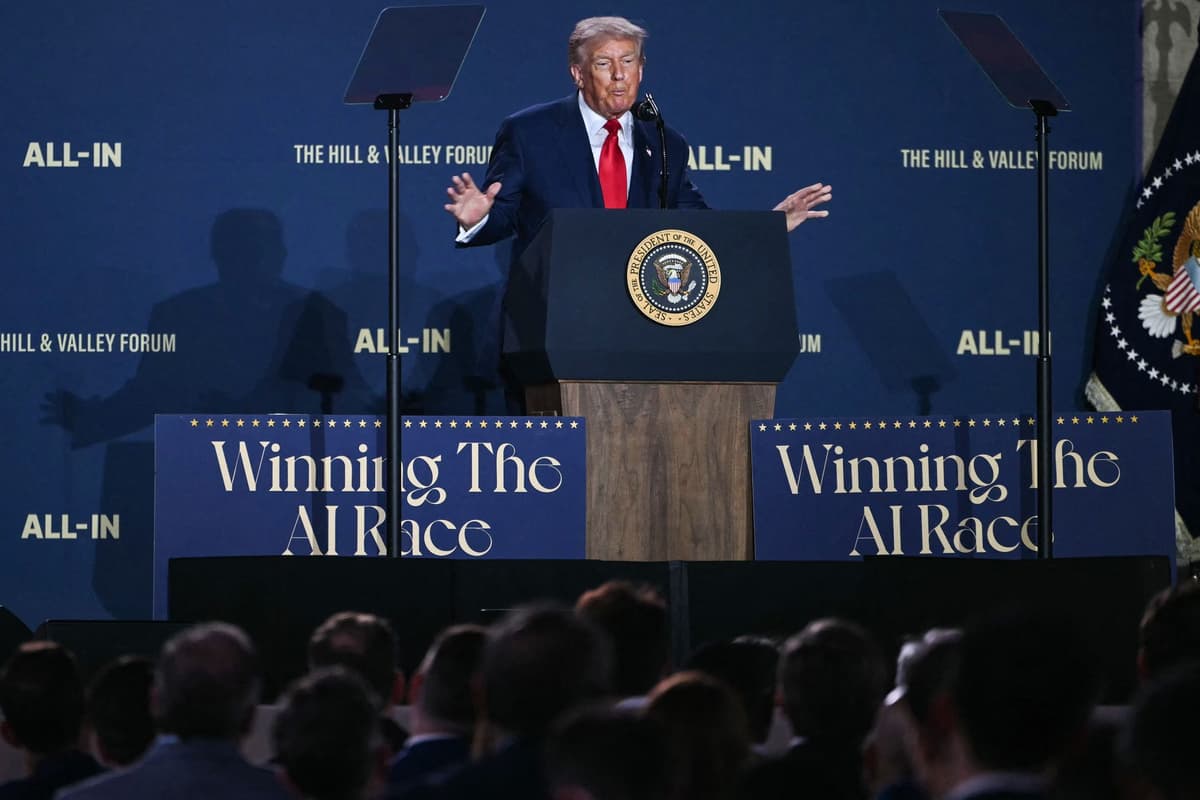
Senator calls for strategic AI policy shift
Republican Senator Jim Banks has asked the Trump administration to develop incentives supporting U.S. companies that build open-weight AI models, positioning the request as a national security imperative in response to growing Chinese competition in the sector.
In a Friday letter to Trump economic adviser Christopher Phelan, Banks requested policy options that would reduce American reliance on Chinese-developed open-weight models. He simultaneously called for tighter restrictions on Chinese firms' access to U.S. semiconductor technology used in AI development.
"America cannot afford to see Chinese open models proliferate and burrow into the global economy only to be weaponized, like rare earths, at a time and place of China's choosing," Banks wrote in the letter.
Why it matters
The push reflects escalating tension between national security priorities and industry preferences for minimal AI regulation. Open-weight models have become increasingly popular due to their affordability and flexibility, but their accessibility also means they can be downloaded and modified by any entity worldwide. Banks' intervention signals that lawmakers may seek to shape the competitive landscape through policy levers rather than leaving market dynamics unchecked, particularly as Chinese developers gain traction in this space.
Understanding open-weight versus closed models
Open-weight AI models publish their underlying architecture publicly, enabling anyone to download and customize them for specific uses. Meta's Muse Glimmer, Nvidia's Nemotron, and startup Thinking Machines' Inkling exemplify this approach. These models appeal to cost-conscious buyers seeking alternatives to premium offerings.
Closed-weight models, by contrast, keep their internal components proprietary. OpenAI's ChatGPT, Anthropic's Claude, and Google's Gemini represent this category, which generally delivers more powerful capabilities but at higher price points and with less flexibility.
Industry pushback on regulation
Banks' letter arrives amid active debate over how policymakers should approach open-weight AI governance. A coalition that included Nvidia, Meta, and dozens of other American technology companies and venture capital investors urged lawmakers in July to keep open-weight AI unregulated, according to the report.
The senator serves on the Senate Armed Services Committee, which oversees national security policy, giving his concerns institutional weight within defense and security circles. His framing positions Chinese open-weight models as a potential economic weapon analogous to rare earth minerals, which China has previously restricted to pressure other nations.
The administration has not yet publicly responded to Banks' request for policy development on this issue.
These details were first reported by Reuters.
This is an original analysis by the Omega editorial team. Source reporting: AI Watch.
Want systems like this working for your business?
Book a Call
