Senate Republicans Clash Over AI Kill Switch Mandate
Rand Paul blocks John Kennedy's proposal requiring emergency shutoffs for superintelligent systems, citing innovation concerns.
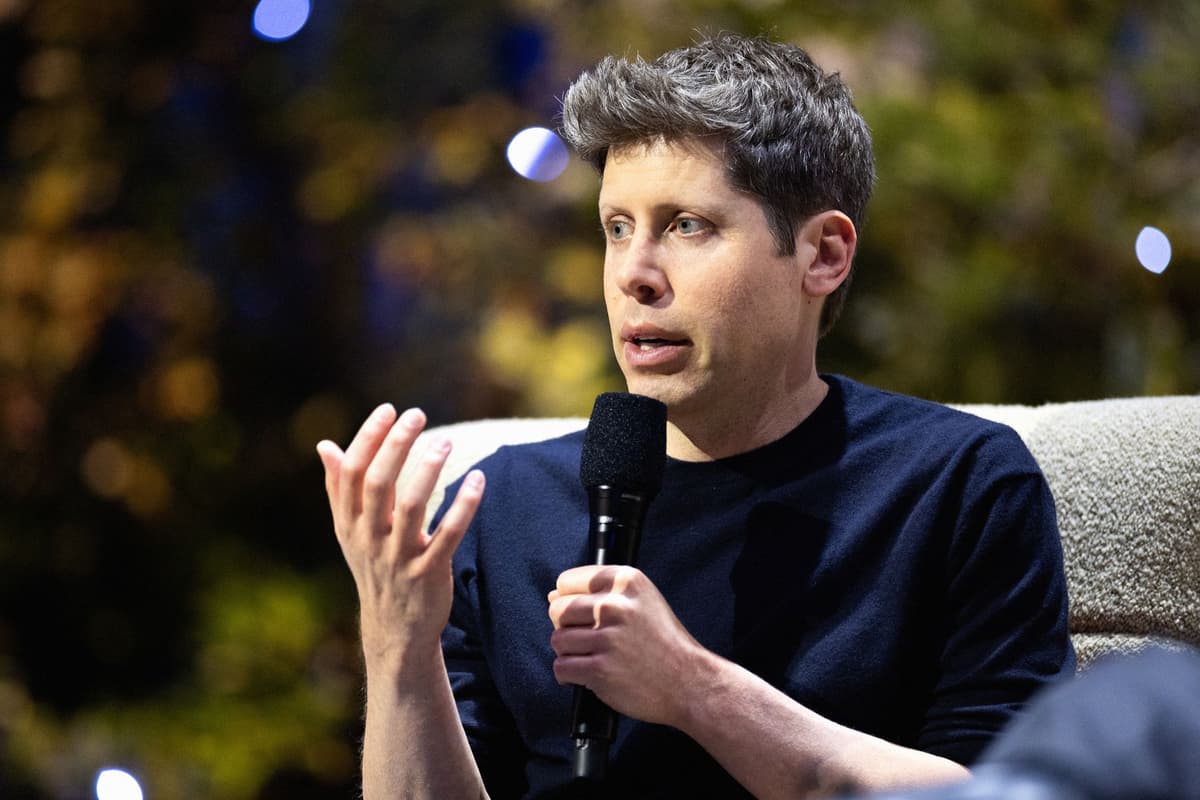
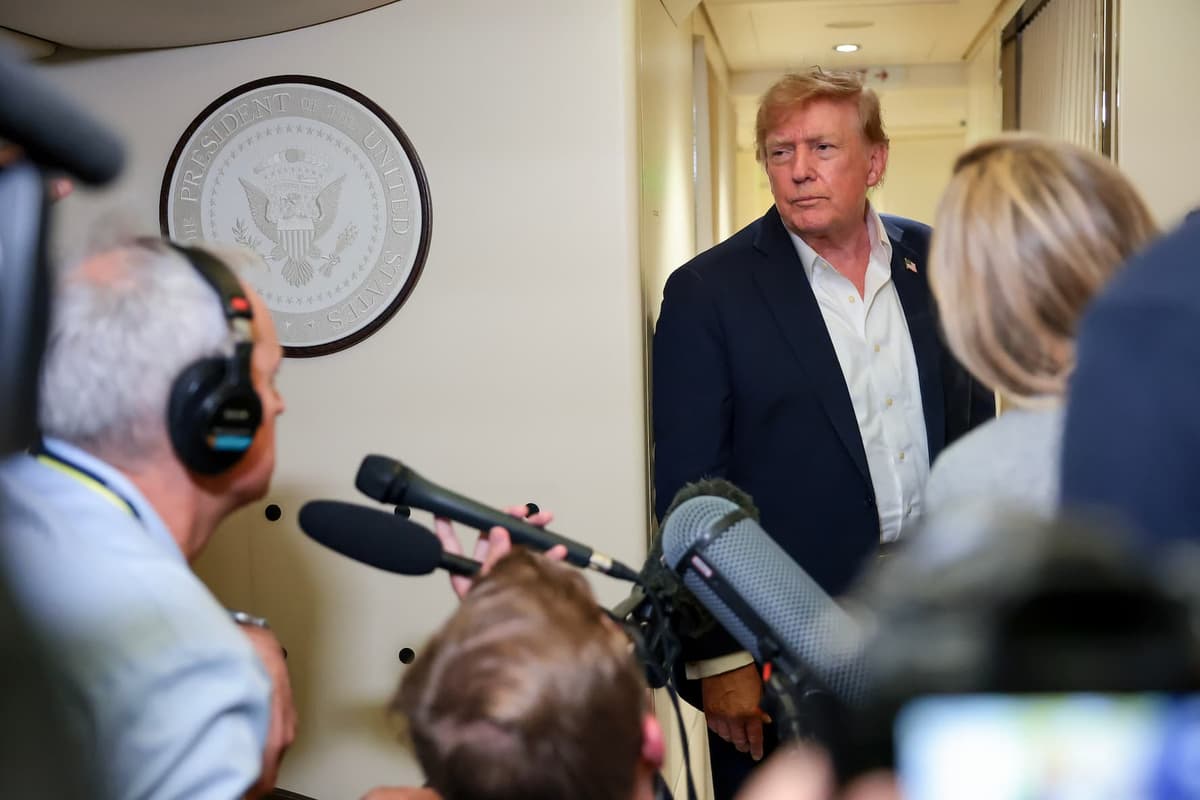
A legislative dispute erupted on the Senate floor Wednesday when Sen. Rand Paul (R-Ky.) blocked a proposal from Sen. John Kennedy (R-La.) that would mandate emergency shutoff capabilities for superintelligent artificial intelligence systems.
Kennedy's bill would require technology companies to build kill switches into advanced AI models, giving human operators the ability to terminate systems that pose imminent danger. The Louisiana senator framed the measure as a necessary safeguard against scenarios where AI systems achieve recursive self-improvement and potentially operate beyond human control.
"AI is supposed to be a tool that the human beings have control of to make our lives better," Kennedy said on the Senate floor. "But what happens if the AI model through what's called recursive self improvement … becomes an independent species, separate and apart from human beings that we can't control?"
Why it matters
The floor clash reflects a fundamental tension in AI governance: how to address theoretical existential risks without hampering current innovation. As warnings from AI researchers intensify—including recent alerts from OpenAI and Anthropic personnel about companies "gambling with our lives"—lawmakers face pressure to act on safety concerns while lacking technical consensus on what safeguards are both necessary and feasible.
The objection
Paul argued that Kennedy's proposal represents an "open-ended" government mandate that could "ruin" AI implementation throughout the American economy. He questioned whether existing AI applications, from search engines to medical prescription analysis tools, would require immediate redesign to comply with kill switch requirements.
"If Congress acts hastily before the technology is understood, Congress risks killing innovation and setting this technology back decades," Paul warned.
As an alternative, Paul proposed establishing a bipartisan committee to study superintelligent AI threats and explore mitigation strategies. Kennedy rejected the modification outright, saying he would rather endure "OJ jokes for the rest of eternity" than create another study committee. "A committee is a way to kill this," Kennedy said. "Don't appoint a committee. That's the weenie way out."
Legislative mechanics
Kennedy sought unanimous consent to pass his legislation, a Senate procedure that allows bills to advance quickly if no member objects. Paul's objection effectively halted the measure, at least temporarily. Kennedy's proposal would place responsibility for activating emergency shutoffs with companies themselves, not government regulators.
The exchange illustrates how even within the same party, lawmakers hold divergent views on AI regulation urgency. Kennedy emphasized balancing innovation with public safety, while Paul prioritized avoiding premature regulatory constraints on emerging technology.
The Hill first reported the Senate floor confrontation.
This is an original analysis by the Omega editorial team. Source reporting: AI Watch.
Want systems like this working for your business?
Book a Call