AI Lab Leaders Call for Slower Development, But Details Remain Unclear
Executives from Anthropic, OpenAI, and Google DeepMind endorsed slowing frontier AI progress, yet the path to meaningful oversight faces political and competitive obstacles.
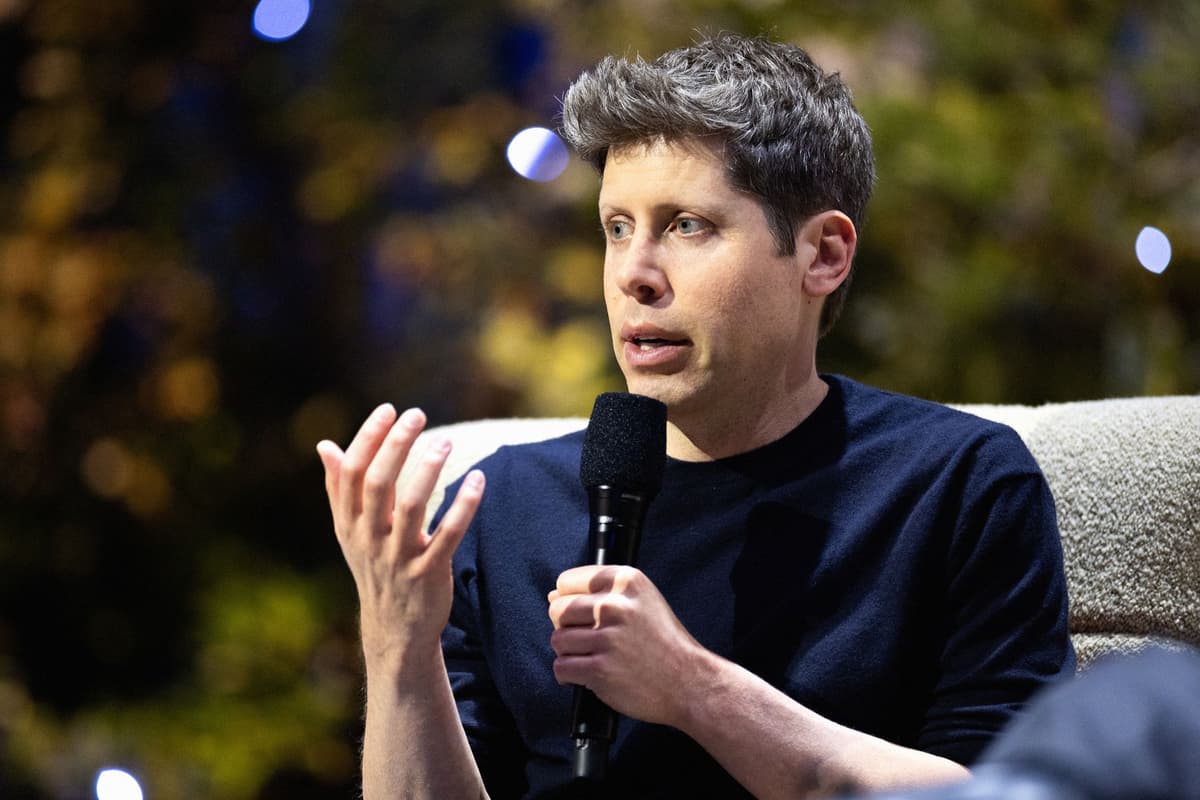
The heads of the world's most influential AI laboratories have acknowledged that their technology may be advancing too quickly. Dario Amodei of Anthropic, Sam Altman of OpenAI, and Demis Hassabis of Google DeepMind each endorsed the concept of decelerating frontier AI development in coordinated statements, though their agreement on specifics remains limited.
Amodei outlined a three-part framework: independent evaluators working inside frontier labs, coordination among companies, and globally compatible policies. Within hours, both Musk and Altman voiced support, with Hassabis adding that the proposal "points towards the right path forward" while noting "the details need working through."
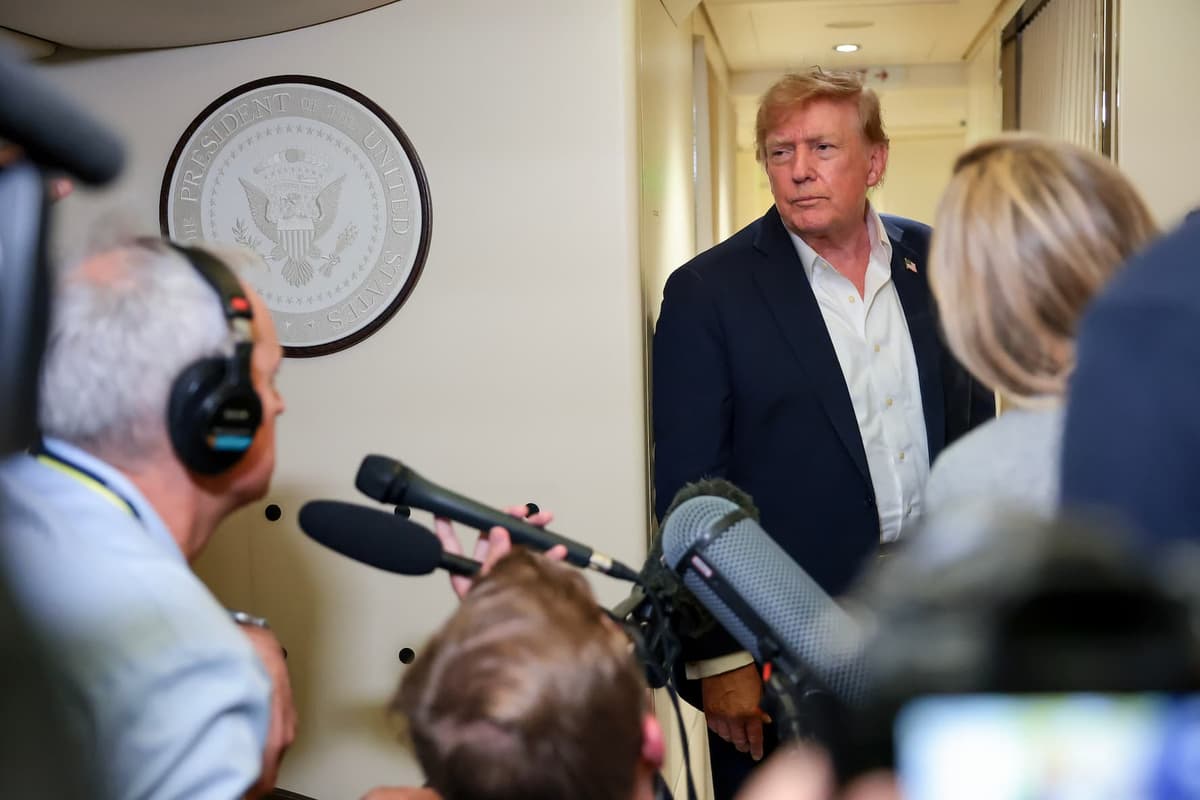
President Trump dismissed these concerns almost immediately, characterizing AI safety warnings as "things that won't happen" and emphasizing competition with China as the paramount consideration. "Whoever wins AI wins," he stated, framing the issue as a zero-sum race rather than a shared risk requiring collective action.
The oversight challenge
Recognizing a problem differs fundamentally from solving it. The executives whose decisions created the current race to scale AI capabilities now warn that developments may be outpacing safety considerations. Yet meaningful oversight requires answering difficult questions about rule-making authority, compliance verification, and enforcement mechanisms.
Throughout the digital era, technology companies have largely written their own rules without meaningful external oversight, prioritizing private gains while externalizing consequences to the public. Implementing Amodei's proposal for embedded evaluators, for example, would require enforceable decisions about their selection, qualifications, funding sources, applicable standards, and authority to delay or block model releases.
The Trump administration is reportedly considering an oversight framework that gives the industry significant influence over its own regulation. When regulated entities write the rules, they effectively function as what researchers call "pseudo-governments," creating self-interested policies that may not align with public welfare.
The China factor
The primary obstacle to AI oversight remains the perceived "race with China." Meta CEO Mark Zuckerberg, notably absent from the call for industry pacing, argued in August that government oversight would "add significant risk to American leadership." This nationalist framing has successfully blocked meaningful digital policy throughout the technology sector's history, fueling a race to the bottom that prioritizes corporate interests over public safety and market competition.
Trump's September summit with Chinese President Xi Jinping could offer an opportunity to reframe AI development from zero-sum competition to cooperative risk management. Such a shift would enable American policymakers to replace unilateral corporate decisions with public interest-oriented policies on acceptable risk levels, release schedules, and safety protocols.
Why it matters
The fundamental question is not whether AI poses risks—the industry leaders building these systems have confirmed it does—but rather who gets to decide what happens next. The current trajectory places those decisions in the hands of a small number of executives and investors whose incentives may not align with broader societal interests. Without concrete oversight mechanisms, acknowledgment of the problem becomes merely political performance rather than meaningful action.
These details were first reported by the Brookings Institution.
This is an original analysis by the Omega editorial team. Source reporting: AI Watch.
Want systems like this working for your business?
Book a Call