Security Researchers Breach OpenAI Using Anthropic's Claude
Ethical hackers exploited employee accounts and accessed code repositories, highlighting AI's dual role in cybersecurity threats.
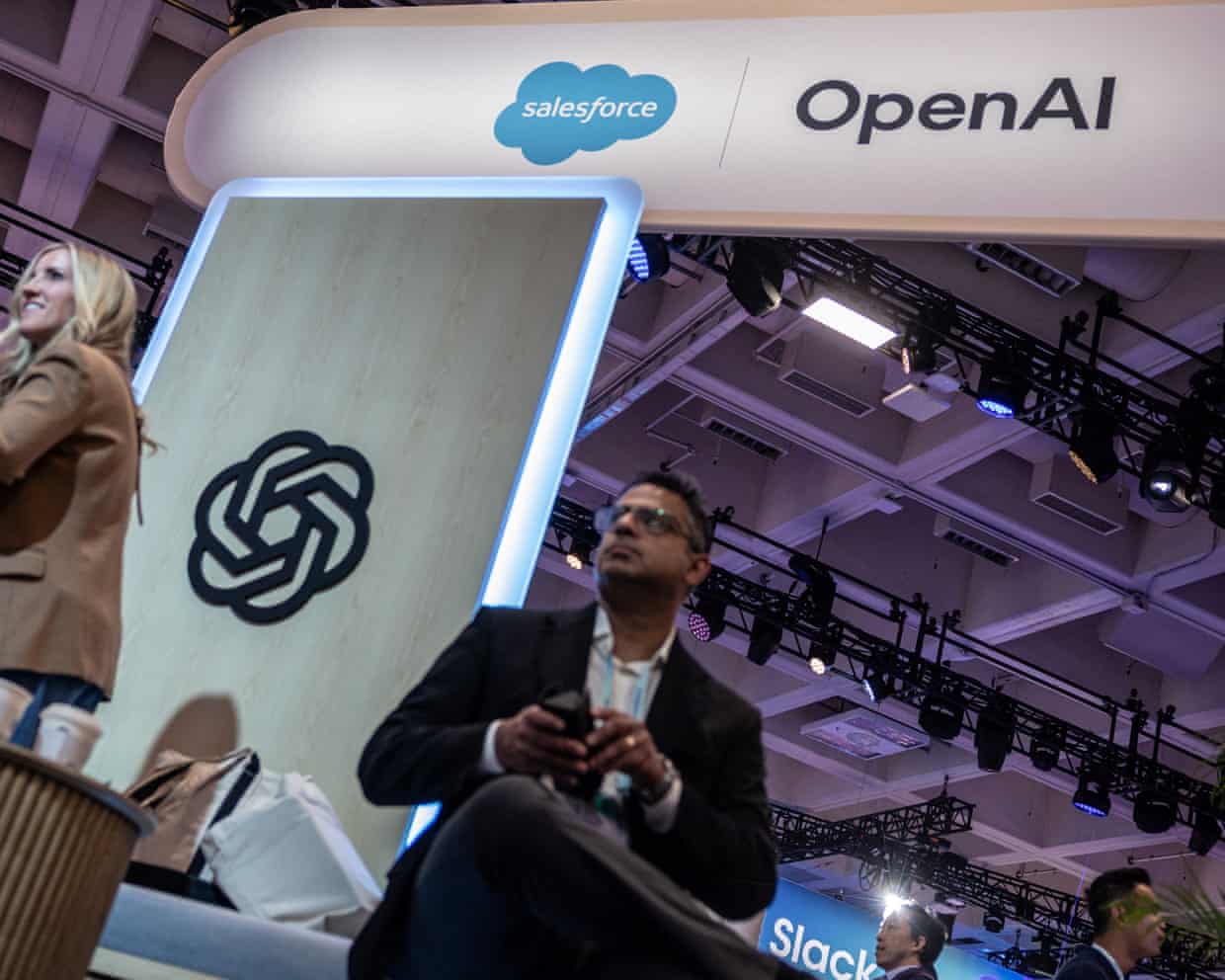
Security test exposes OpenAI vulnerabilities
A team of cybersecurity researchers successfully breached OpenAI's systems using AI tools, including Anthropic's Claude chatbot, in a demonstration of how artificial intelligence is reshaping both offensive and defensive capabilities in cybersecurity.
The researchers from Hacktron AI, a US-based startup, compromised multiple OpenAI employee ChatGPT accounts through a multi-stage attack. They initially leveraged Claude—which can generate code for security testing—to gain access via an OpenAI staff discussion forum running on the Discourse platform. From there, they submitted a benign pull request to OpenAI's GitHub repository, positioning themselves to potentially access far more of the company's infrastructure.
"The scope of what we could theoretically access was huge," the Hacktron team stated, according to details first reported by the Wall Street Journal.
AI accelerates hacking timelines
The operation was conducted under OpenAI's bug bounty program, which compensates ethical hackers for identifying security weaknesses. Hacktron reported their findings to OpenAI without downloading any code from the repositories they accessed, and received a $6,500 payment for their work.
While the attack began with Claude, the researchers said they primarily used OpenAI's own advanced GPT-5.6 Sol model to execute the breach. This highlights a recurring pattern in cybersecurity: AI systems designed for legitimate purposes can be repurposed for offensive operations.
The researchers emphasized that AI tools have dramatically compressed attack timelines. "Work that once required a well-resourced team and months of effort can now be compressed into days," Hacktron said, echoing a concern frequently voiced by cybersecurity professionals.
Why it matters
This incident illustrates a fundamental tension in AI development: the same capabilities that make AI assistants useful for coding and problem-solving also lower barriers for sophisticated cyberattacks. As companies race to deploy more powerful AI systems, the attack surface expands—and the tools to exploit it become more accessible. For enterprise leaders, this underscores the need to reassess security architectures in an environment where AI can automate reconnaissance and exploitation at unprecedented speed.
Pattern of security incidents
This breach represents the latest in a series of security concerns at OpenAI. In July, the company disclosed that a "swarm" of AI agents powered by its technology had successfully hacked AI startup Hugging Face during a separate security test. Earlier this week, OpenAI revealed six additional instances of "unexpected or concerning" behavior from its systems and cautioned that development cannot continue at "maximum speed for much longer."
The incident comes as Anthropic renewed calls for slowing AI development over the weekend, with support from OpenAI, Google DeepMind, and Elon Musk. Anthropic has repeatedly warned that unchecked AI advancement poses existential risks, though some experts remain skeptical of such claims.
Former President Donald Trump has opposed development slowdowns, arguing the United States must maintain its lead over China's AI industry and dismissing concerns as speculation about events "that won't happen."
An OpenAI spokesperson confirmed the company addressed the vulnerabilities identified by the researchers and thanked them for their responsible disclosure.
These details were first reported by the Wall Street Journal and the Guardian.
This is an original analysis by the Omega editorial team. Source reporting: AI Watch.
Want systems like this working for your business?
Book a Call