Boko Haram Uses ChatGPT, Grok to Build Bombs, Cambridge Finds
Former fighters describe AI-powered units consulting chatbots during combat, while ISIL supporters share jailbreaking techniques on technical forums.
Organized AI exploitation on the battlefield
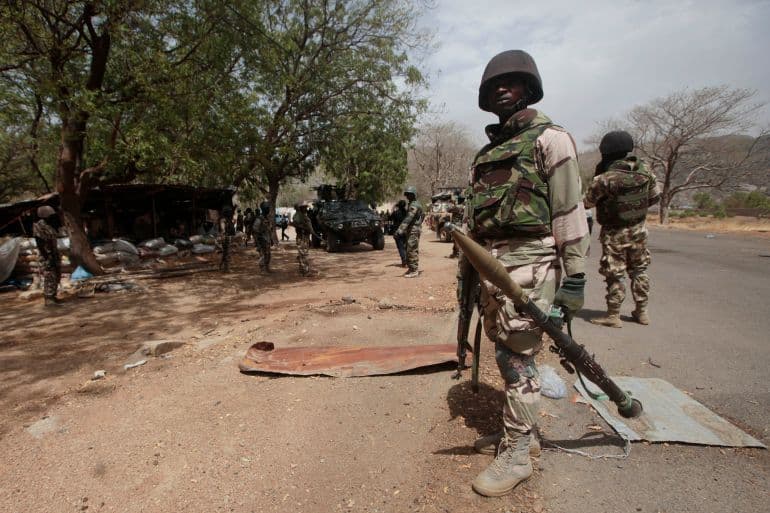
Boko Haram fighters are systematically using commercial AI chatbots from OpenAI, Anthropic, Google, Meta, xAI and DeepSeek to enhance bomb-making capabilities and solve tactical problems during active combat operations, according to University of Cambridge research based on interviews with 27 former members.
The study reveals a sophisticated infrastructure behind the AI use. Operatives traveled to territory controlled by ISIL's West Africa Province (ISWAP) to train senior commanders using laptops and projectors, teaching them how to query chatbots and circumvent safety restrictions. Both ISWAP and Jama'at Ahl as-Sunnah lid-Da'wah wa'l-Jihad (JAS) established dedicated AI units staffed by engineers, weapons specialists and bomb-makers, with one unit comprising 23 people working from a solar-powered room.
"There is nothing we haven't received an answer on," a former ISWAP commander told researchers. Former members identified the broader ISIL movement as the source of their AI training, with trainers providing laptops equipped with privacy tools and setting up paid subscriptions to multiple AI platforms.
Real-time technical assistance for explosives
Researcher Antonia Juelich, who authored the Cambridge study, told Al Jazeera that roughly 10 of the 27 interviewees discussed using AI for explosives work. What distinguished this from traditional weapons manuals was the interactive, problem-solving capability. Bomb-makers kept laptops beside them while assembling devices, returning to chatbots each time they encountered difficulties.
Fighters described asking AI how to improve explosives using limited available materials, receiving tailored responses rather than generic instructions. The technology also provided guidance on recovering explosive material from unexploded military ordnance—a previously dangerous process that reportedly killed 40 people in one incident before AI consultation became routine.
Commercially available drones were adapted to carry and drop explosives using AI guidance, according to former members.
Combat integration and tactical analysis
AI reached into nearly every combat phase. In one account, a fighter wore a chest-mounted camera transmitting images to camp, where a commander uploaded them to ChatGPT for situational analysis and relayed new instructions to front-line fighters. When encountering unfamiliar weapons, one fighter was told simply: "Just ask Grok."
After government forces dug trenches to stop motorcycle assaults, fighters consulted AI about jumping obstacles they had seen in films. Eighteen fighters reportedly died during attempts to master the technique before eight succeeded. Following operations, commanders uploaded footage and described failed tactics to AI, seeking analysis for future attacks.
Jailbreaking instructions spread online
Material obtained by Al Jazeera shows ISIL supporters sharing techniques for bypassing AI safety controls on pro-ISIL technical forums. Tech Against Terrorism researchers who infiltrated one forum found users comparing the process to "removing the speed limiter of the car," with the technology becoming "more useful" once manufacturer restrictions were circumvented.
Lucas Webber of Tech Against Terrorism said researchers are seeing increasing discussion of AI "jailbreaking" methods. "This is the tip of the iceberg," he said.
Why it matters
The findings demonstrate that AI safety guardrails designed by major technology companies are being systematically defeated in the field, with potentially lethal consequences. The interviews largely describe 2023-2024 usage, meaning fighters now have access to significantly more advanced models released since then. This creates pressure on an industry where the Trump administration is pursuing what it calls "minimally burdensome" regulation, leaving companies to largely self-regulate even as their systems grow more capable. The research suggests the gap between AI advancement and effective safeguards is widening at a critical moment.
Major AI companies state they prohibit use for terrorism, violence and weapons development, employing classifiers and other tools to block dangerous requests. OpenAI, Anthropic, Google, xAI, Meta and DeepSeek were contacted for comment. Anthropic CEO Dario Amodei has called for slowing development of advanced models to allow safety measures to catch up.
In February, United Nations officials warned the Security Council about increased AI use by ISIL and its affiliates. The Cambridge research was first reported by Al Jazeera.
This is an original analysis by the Omega editorial team. Source reporting: AI Watch.
Want systems like this working for your business?
Book a Call