Sanders, Casar propose ban on artificial superintelligence
New legislation would create federal AI oversight agency and pause advanced development until safety rules are in place.
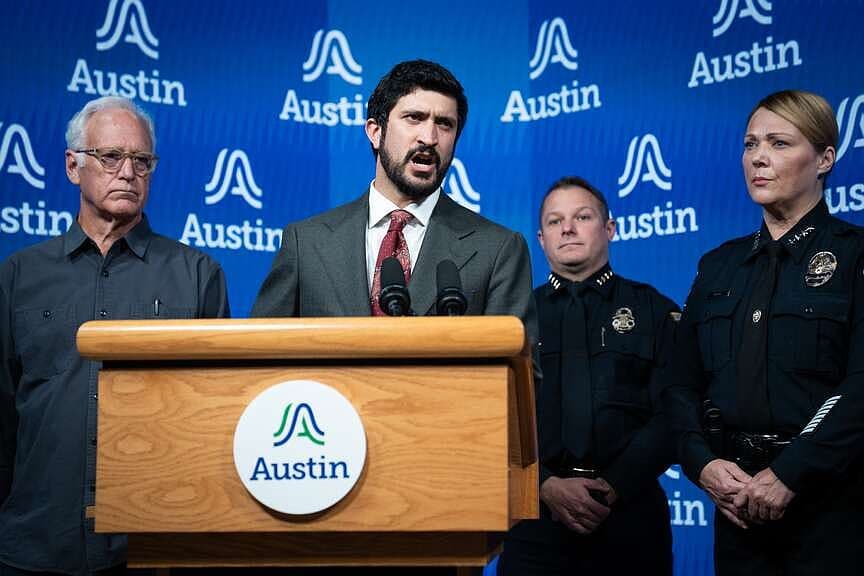
Sen. Bernie Sanders and Rep. Greg Casar have introduced legislation that would permanently ban artificial superintelligence and establish a new federal agency to oversee advanced AI systems, according to details first reported by The Associated Press.
The bill defines artificial superintelligence as any system that exceeds human cognitive ability or possesses sufficient capabilities to plan and execute actions that could destroy or disempower humanity. Under the proposed legislation, such systems would be prohibited outright.
Temporary development pause and new oversight
The measure would impose a temporary halt on development of the most advanced AI systems until a newly created Department of Artificial Intelligence establishes federal safety guidelines. Once those rules are in place, advanced AI systems would require federal approval before deployment.
Violations would carry substantial penalties, including potential prison sentences of up to 20 years in certain cases.
"Do we really want to develop a super intelligence that when it becomes smarter than human beings could act independently of human control? I don't think we do," Sanders said in an interview with the AP.
Industry voices support safety measures
Several current employees at major AI companies and researchers have endorsed the legislation. Juan Felipe Cerón Uribe, a researcher in OpenAI's Safety Systems, stated that "superintelligence could either go extremely right or extremely wrong" and warned against taking such risks.
Swante Scholz, a software engineer at Google DeepMind speaking in a personal capacity, said the current development trajectory makes "an existential catastrophe for humanity" the most likely outcome.
Political and competitive tensions
The proposal arrives as President Donald Trump has resisted calls for greater government oversight of AI, putting him at odds with industry leaders including Anthropic's Dario Amodei, OpenAI's Sam Altman, and xAI's Elon Musk.
Trump told the United Nations General Assembly that artificial intelligence will be renamed "super intelligence," prompting Sanders to suggest the president has "very little understanding of what this issue is about."
AI safety is expected to feature prominently in discussions between Trump and China's Xi Jinping this week as the two nations compete for dominance in the sector. The prospect of the United States slowing development while China continues has been a central argument against sweeping restrictions.
Sanders countered that avoiding the most dangerous forms of AI would ultimately require international cooperation, drawing parallels to Cold War nuclear arms control negotiations between Ronald Reagan and Mikhail Gorbachev.
Why it matters
This legislation represents the most aggressive congressional attempt yet to regulate advanced AI systems, proposing not just oversight but an outright ban on superintelligent systems. While Congress has been largely inactive on AI regulation despite warnings from industry leaders, this bill would fundamentally reshape how the most powerful AI systems are developed and deployed in the United States. The measure also highlights a growing divide between those prioritizing safety concerns and those focused on maintaining competitive advantage against China.
Sanders has intensified his focus on AI policy in recent months, introducing legislation in June to create a sovereign wealth fund financed through a one-time tax on major AI companies' stock.
The Associated Press first reported the details of the legislation on Wednesday.
This is an original analysis by the Omega editorial team. Source reporting: AI Watch.
Want systems like this working for your business?
Book a Call