San Diego Activist Uses Darth Vader Costume to Protest Flock Surveillance
Anthony Ralphs turned to guerrilla theater after months of conventional advocacy failed to sway city council on police camera contract.
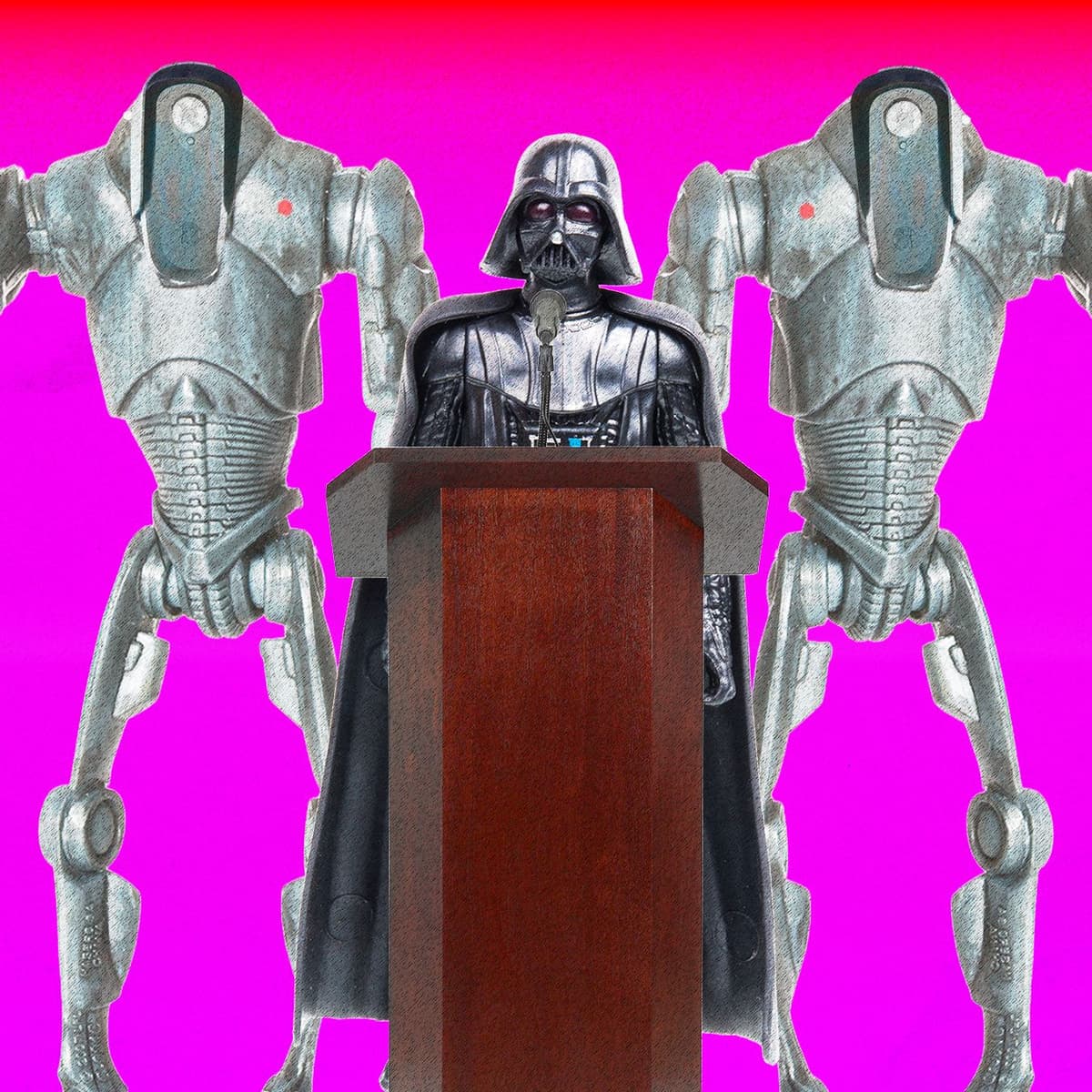
Guerrilla theater meets civic engagement
A San Diego resident dressed as Darth Vader appeared at a city council budget meeting to protest the city's contract with surveillance company Flock Safety, delivering remarks that praised the council for enabling what he characterized as dystopian monitoring capabilities. The stunt went viral, reaching millions on social media platforms.
Anthony Ralphs, a DJ, event producer, and agriculture consultant, revealed himself as the person behind the 2004 Hasbro Vader mask after the video gained traction. Speaking between gasping breaths mimicking the character, Ralphs told the council: "The emperor is a fan of Flock. And we must continue utilizing Flock technologies so that we can follow and surveil the rebel scum as they move from playground to playground, from playground to pool, from pool to gymnasium."
Why it matters
Flock Safety has faced mounting scrutiny as reports emerge of police misuse and as technical reviews reveal its AI tools monitor far more than license plates. The viral protest demonstrates how creative advocacy can amplify concerns about surveillance technology that might otherwise remain confined to sparsely attended municipal meetings. With cities nationwide adopting similar systems, the tactics and questions raised in San Diego have implications beyond one contract.
From conventional advocacy to satire
Ralphs began attending San Diego City Council meetings last year, initially using traditional advocacy methods. At a December 9 vote on the Flock contract, approximately 300 people packed the meeting room, with roughly 95 percent opposing the technology. The council approved it anyway.
"That moment was eye-opening," Ralphs said. At the next meeting, only five people showed up. He took time off from his studies at San Diego Mesa College and San Diego City College—where he was pursuing theater and labor studies—to maintain consistent advocacy presence.
The decision to use guerrilla theater came after exhausting conventional approaches. "We did it the right way, and they still continued to ignore their constituents," Ralphs explained. He prepared by rewatching the original Star Wars films to master Vader's gestures and voice, assembling a costume that included a silk cape and the voice-changing helmet.
Financial and legal concerns
The Flock contract costs $2.2 million, approved while San Diego faced a $120 million deficit that led to cuts in arts programs. Ralphs pointed to the case of Hugo Parra, a local resident who spent 30 days in jail following what Ralphs described as an erroneous identification by Flock cameras. Parra and another person arrested in connection with the incident are suing the city for $1.5 million combined.
Reframing the narrative
Ralphs said his goal extends beyond the specific contract. "I want to make it cool to engage in one's civic responsibility again," he stated. He noted that many people learned about Flock Safety for the first time through the viral video, shifting the conversation from viewing surveillance as a "necessary evil" to questioning whether it's needed at all.
These details were first reported by WIRED in an interview with Ralphs about the protest and his advocacy work.
This is an original analysis by the Omega editorial team. Source reporting: WIRED.
Want systems like this working for your business?
Book a Call
