Rural Texas Republicans Push Back Against AI Data Centers
Concerns over water, electricity, and local resources are prompting conservative voters to demand government oversight of tech infrastructure.
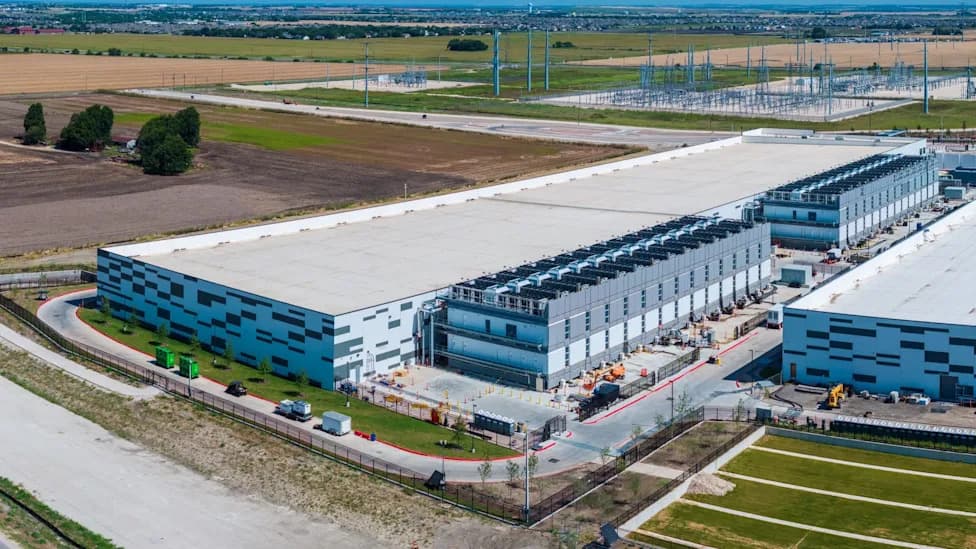
Conservative voters seek government intervention
A surprising political shift is unfolding in rural Texas, where Republican voters traditionally opposed to government regulation are now calling on officials to restrict or slow the construction of massive AI data centers. The tension centers on concerns about water availability, electricity grid strain, and the preservation of local communities.
According to reporting from The Washington Post, residents in deeply conservative areas are pushing back against what they see as unchecked industrial expansion that threatens shared resources. The conflict highlights a collision between free-market development principles and the practical realities of living near energy-intensive infrastructure.
Resource demands drive local opposition
The scale of modern AI data centers explains much of the resistance. These facilities can occupy vast tracts of land while consuming enormous quantities of electricity and water for operations and cooling systems. In regions already grappling with drought conditions and concerns about grid reliability, the arrival of such facilities represents a direct threat to existing residents and businesses.
What technology companies promote as economic development opportunities often looks different from ground level. When a new data center competes for the same water supply as farms and households, or when it drives up electricity costs for everyone on the local grid, the trade-offs become tangible and potentially permanent.
The AI infrastructure challenge
Every AI application—from chatbots to image generators—requires constant power to run the data centers that host these systems. While proponents argue that AI can improve grid operations and help integrate renewable energy sources, the infrastructure itself creates immediate demand that can outpace the ability of utilities to expand capacity.
In areas with limited water resources, the industrial-scale cooling requirements of data centers add another layer of concern. Residents worry that heavy water consumption by tech facilities will intensify supply pressures in already dry regions.
Why it matters
This conflict reveals a fundamental tension in how AI infrastructure gets built. The technology industry's rapid expansion is running headlong into local communities that bear the direct costs—higher utility bills, strained water supplies, and changed landscapes—while the economic benefits may flow elsewhere. When even conservative voters in business-friendly Texas are demanding regulatory oversight, it signals that the social license for unfettered data center development is eroding.
Communities demand scrutiny
Residents are no longer willing to accept large-scale projects without conditions. They want officials to examine permit applications more carefully, assess infrastructure demands realistically, and require developers to contribute to the grid and water system upgrades their facilities necessitate.
The shift represents a more conditional approach to development, even in regions that historically welcomed almost any major investment. Communities are insisting on answers about where projects will be located, how much they will consume in resources, and who will pay for the supporting infrastructure.
These details were first reported by The Washington Post.
This is an original analysis by the Omega editorial team. Source reporting: AI Watch.
Want systems like this working for your business?
Book a Call
