Rio Tinto Deploys Autonomous Drilling, Expands Low-Carbon Aluminum
Mining giant partners with Sandvik on automation while commissioning Quebec smelter capacity to reduce emissions.
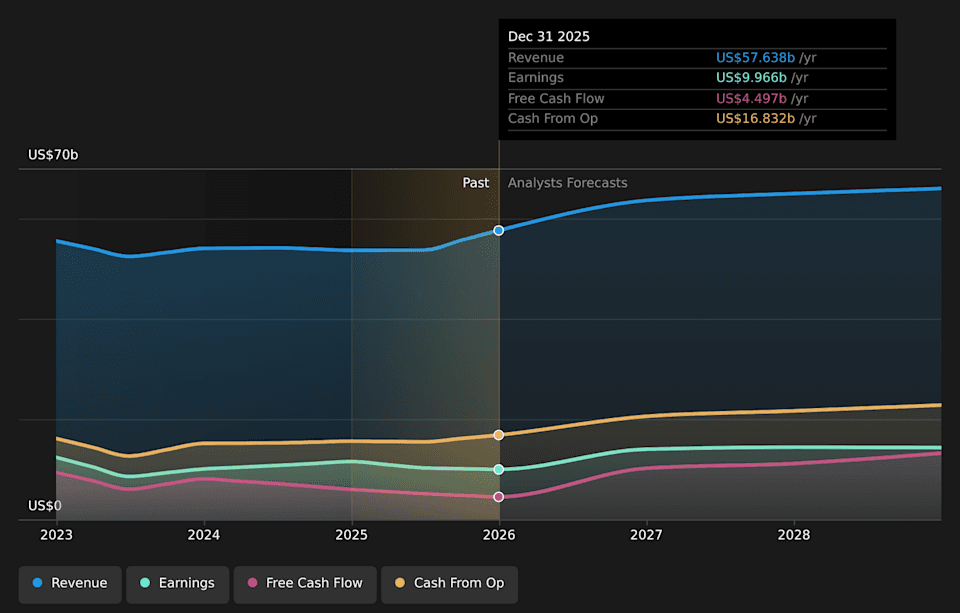
Rio Tinto Group is advancing two major operational initiatives that signal where the diversified miner is placing its strategic bets: autonomous drilling technology and expanded low-carbon aluminum production.
The company has entered a partnership with Sandvik to deploy autonomous drilling systems across multiple mining sites, while simultaneously commissioning additional capacity at a low-carbon aluminum smelter in Quebec, according to details first reported by Automation Watch.
Automation meets decarbonization
The autonomous drilling rollout targets open-pit iron ore and copper operations, where multi-rig autonomous systems could deliver more consistent production output while reducing safety incidents and tightening cost control. For a company operating at the scale of Rio Tinto, even marginal efficiency gains from automation can translate to significant financial impact when commodity prices fluctuate.
The Quebec aluminum expansion addresses a different market dynamic. Low-carbon aluminum is increasingly valued by electric vehicle manufacturers and energy infrastructure developers who face growing pressure to reduce supply chain emissions. By expanding capacity specifically designed for lower carbon intensity, Rio Tinto positions itself to capture premium pricing from customers willing to pay for metals with documented lower environmental footprints.
Why it matters
These twin initiatives reflect how large mining companies are responding to simultaneous pressures: the need to improve operational efficiency in a cyclical commodity market, and rising customer demand for sustainably produced materials. For Rio Tinto, which competes directly with BHP and Glencore for large-scale supply contracts, the ability to offer both volume and verifiable emissions reductions could become a competitive differentiator as procurement teams integrate carbon accounting into supplier selection.
The timing is notable given volatility in key commodity markets. Iron ore and lithium prices have experienced significant swings, making operational consistency and cost discipline more valuable. Meanwhile, the aluminum market is bifurcating between conventional and low-carbon products, with the latter commanding attention from battery and renewable energy supply chains.
Capital allocation questions
Both projects represent substantial capital commitments. Autonomous drilling systems require upfront investment in equipment, software integration, and workforce retraining. Low-carbon smelter expansions involve long construction timelines and technology risk.
How these investments perform relative to Rio Tinto's existing portfolio of copper, lithium, and iron ore assets will influence future capital allocation decisions. The company's narrative has emphasized copper and battery metals as growth drivers, but the aluminum expansion suggests management sees strategic value in diversifying its low-carbon metals offering beyond those categories.
Rio Tinto shares have climbed 27 percent year-to-date and 83.6 percent over the past year, trading around £76.04 on the London Stock Exchange. These operational developments provide context for evaluating the company's positioning beyond near-term price performance.
Details of the autonomous drilling partnership and aluminum expansion were first reported by Automation Watch.
This is an original analysis by the Omega editorial team. Source reporting: Automation Watch.
Want systems like this working for your business?
Book a Call
