Pope and President Clash on Who Should Control AI's Future
Two documents released within a week reveal fundamentally different visions for artificial intelligence governance—one centered on human dignity, the other on strategic dominance.
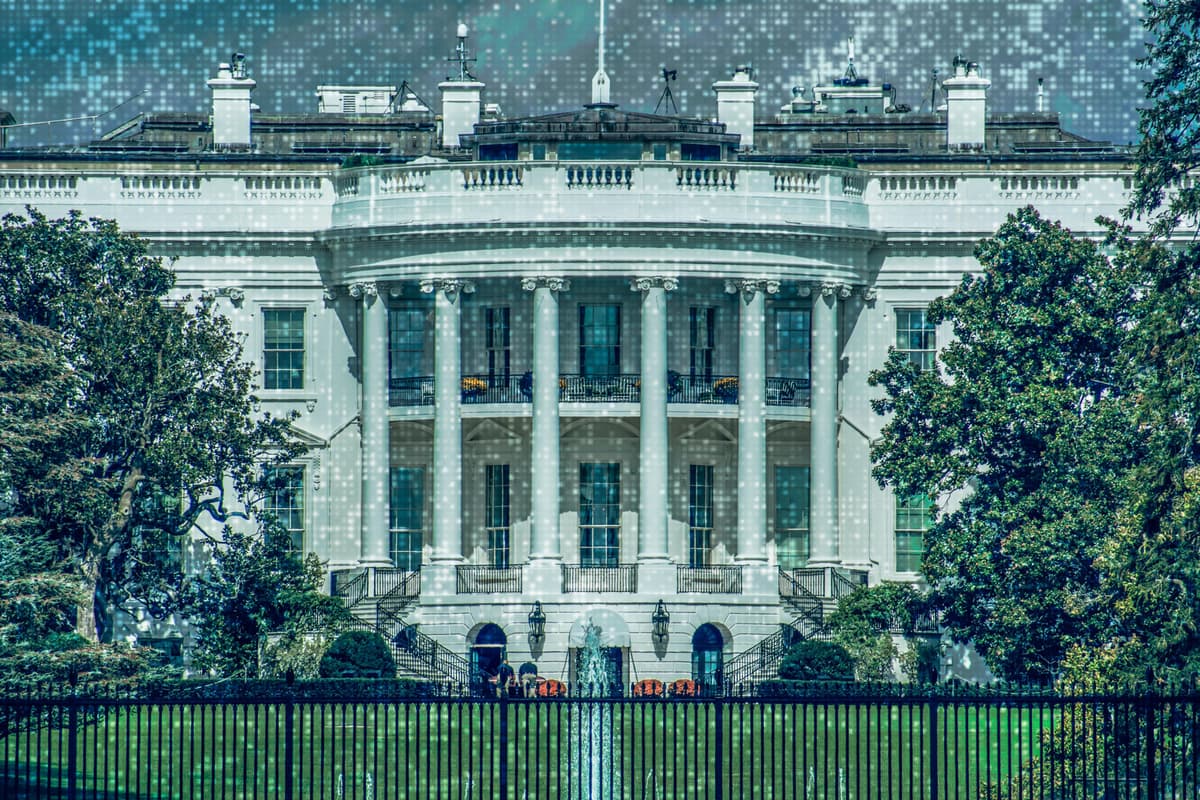
Competing Visions for AI Governance
When former Google CEO Eric Schmidt told University of Arizona graduates in May that they would shape AI's future, the crowd booed. Similar reactions followed at other commencements across the country. The rejection signals a broader frustration: Americans increasingly sense their technological future is being decided for them, not by them.
Two major policy documents released this spring crystallize the stakes. On May 25, Pope Leo XIV published "Magnifica Humanitas," his first encyclical addressing artificial intelligence and human dignity. A week later, on June 2, President Donald Trump signed an executive order on AI innovation and security. The contrast between them reveals fundamentally different answers to the question of who should govern transformative technology.
Why it matters
The tension between these approaches will determine whether AI development remains concentrated among a few powerful actors or becomes subject to democratic oversight. As AI systems increasingly make consequential decisions about education, employment, healthcare, and military action, the governance framework matters as much as the technology itself.
Moral Constraints Versus Strategic Dominance
The Pope's encyclical centers on human dignity and moral limits. Its strongest warning addresses autonomous weapons: lethal decisions must never be delegated to artificial systems. "No algorithm can make war morally acceptable," Leo writes, arguing that machines cannot understand what it means to end a life or answer to families, courts, or history.
Trump's executive order takes a different approach, framing AI primarily through the lens of competition with China. The order establishes that administration officials will test advanced AI models in secret, with classified reviews conducted by the Secretary of the Treasury, Secretary of War, and Secretary of Commerce. While it doesn't explicitly authorize autonomous weapons, it moves decisions about frontier AI systems and their military applications behind closed doors.
Democracy Behind Closed Doors
The executive order assigns nearly the entire AI review process to government agencies and a select group of "AI developers and researchers." These entities will determine which models reach the market through classified benchmarking, conducted in collaboration with the companies that built them. The government reviews advanced systems up to 30 days before even "trusted partners" see them.
The order creates no public comment period, schedules no hearings, and establishes no enforceable rights. Participation is voluntary—effectively by invitation—with developers who help design the framework also helping choose who else participates.
Before the order's signing, this dynamic was already visible. Axios reported that Mark Zuckerberg, Elon Musk, and David Sacks spoke with Trump about an earlier draft, while The Washington Post described industry calls opposing certain language. The companies building AI systems already have direct channels into the rules governing them, while the public waits for access.
The Case for Public Oversight
AI already makes consequential decisions: ranking students' academic potential, pricing loans, determining healthcare access, and filtering job applications. As these systems proliferate, more judgments will arrive with no visibility into how they were reached.
The Pope's encyclical emphasizes that when data, algorithms, and infrastructure concentrate in few hands, tools that should expand human possibility can become instruments of exclusion. Parents, patients, workers, and students can be bound by automated verdicts they didn't choose and cannot appeal.
The solution, according to the source article first published in Time, requires ordinary democratic processes: public hearings before school districts adopt grading algorithms, the right to know when a model has judged you and to appeal that judgment, public review of frontier-model decisions outside classified channels, and procurement rules that examine who benefits and who bears risk.
The students who booed this spring already understood what policymakers took years to acknowledge: the construction site has been walled off, and the most consequential decisions are being made inside.
This is an original analysis by the Omega editorial team. Source reporting: AI Watch.
Want systems like this working for your business?
Book a Call
