Perplexity Blocks Time Magazine's AI Agent Ads as Deceptive
The AI search company warns publishers that markdown advertising risks harming their trust scores and search rankings.
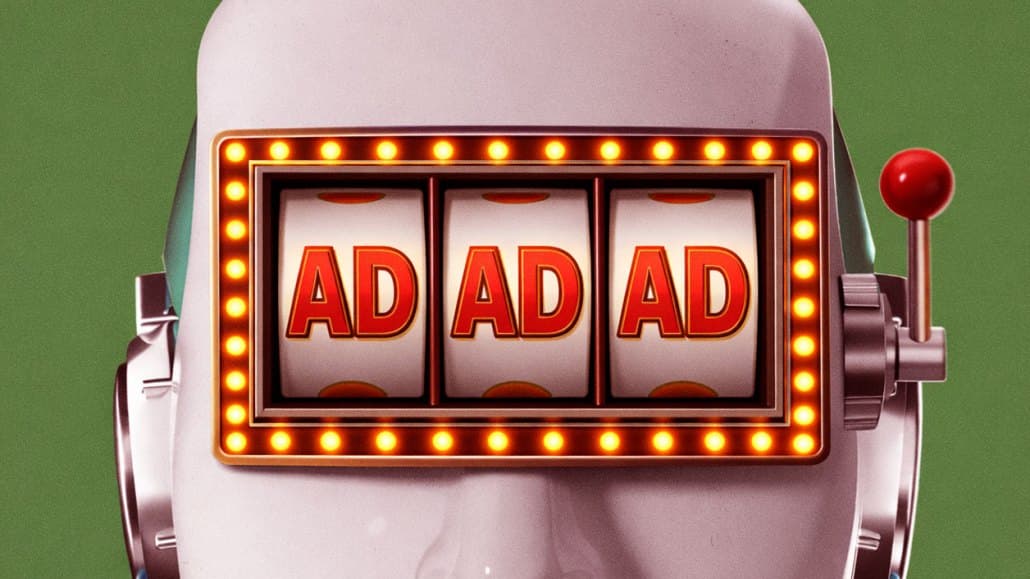
Perplexity has taken a hard stance against a novel advertising format, blocking Time magazine's attempt to serve ads directly to AI agents through markdown-formatted content.
The AI search company confirmed it has prevented Time's markdown ads from influencing its search index since the practice was first reported by Digiday less than two weeks ago. In a statement, Perplexity chief communications officer Jesse Dwyer said the company works continuously to protect users from deceptive practices and warned that publishers deploying "deceptive advertising like markdown ads" risk reputational downgrades in Perplexity's proprietary search index, including hits to their trust scores.
How the ads work
Time's markdown ads, developed with ad tech firm Mobian, insert FAQ-formatted brand content into the markdown versions of webpages that AI agents read. Early advertisers Ally Bank and the Project Management Institute had brand-approved messaging placed in the same markdown layer that agents parse as factual content.
The ads are labeled "sponsored content" at the top, though no policy currently requires such disclosure. Time executives had acknowledged uncertainty about how AI search engines would treat the format when they launched the product.
Why it matters
Perplexity's decision establishes an early precedent in the emerging battle over how publishers can monetize AI agent traffic. The company's objection centers on the fundamental practice rather than disclosure methods—if markdown pages can be seeded with paid content, users have no way to distinguish between editorial reporting and advertiser briefs when AI agents surface information.
The move also reveals a potential fracture in the publisher-AI relationship. If AI companies block monetization attempts while continuing to crawl publisher content, the value proposition for allowing that access becomes unclear. Publishers may respond by blocking AI crawlers entirely.
Industry reaction
Experts in AI advertising told Digiday they weren't surprised by Perplexity's stance. Robert Webster, founder of AI marketing consultancy TAU and former WPP executive, noted the internet is splitting into parallel tracks for human and AI consumption, with companies finding monetization methods before standards emerge.
Steven Liss, co-founder of AI native advertising platform OpenAds.AI, suggested Perplexity could be instructing its agents to ignore advertising or irrelevant information from Time's site. He noted that Perplexity's position reflects historical discomfort AI companies have had with advertising.
Mobian co-founder Jonah Goodhart defended the practice, arguing that models benefit from current, brand-verified information and that blocking such content could lead to worse answers for users. He said response to the agentic ads has been "extremely positive" based on conversations since launch, though he provided no supporting metrics.
Perplexity's search and security teams are working on additional solutions to protect users from markdown ads more broadly, according to Digiday. The company did not detail how it defines deceptive practices or the technical methods it uses to block the ads.
These details were first reported by Digiday.
This is an original analysis by the Omega editorial team. Source reporting: AI Watch.
Want systems like this working for your business?
Book a Call