Pacific Northwest faces 40-100% electricity surge from AI data centers
Regional planners confront unprecedented uncertainty as data centers, EVs, and building electrification converge on aging grid infrastructure.
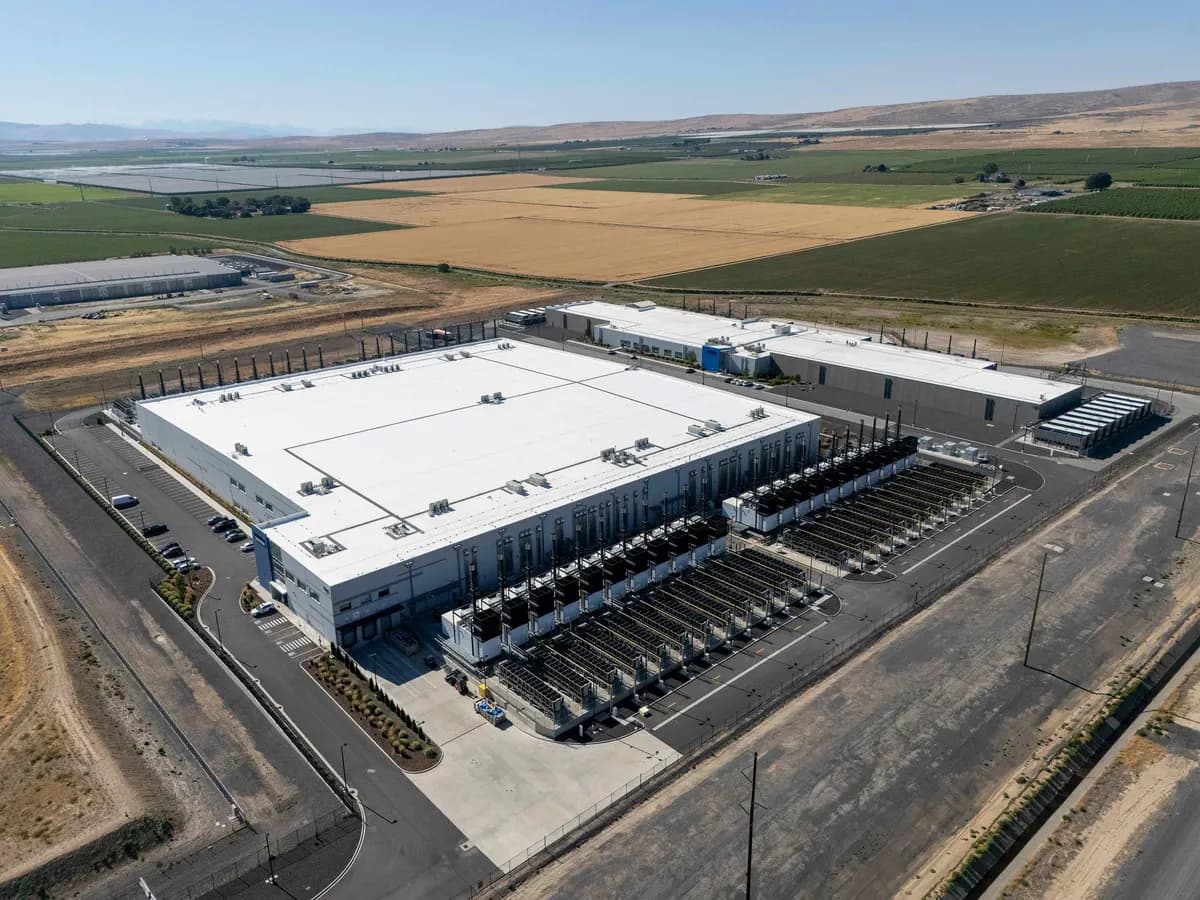
The Pacific Northwest is preparing for its most aggressive grid expansion in decades, but planners face an unusual problem: demand forecasts now span a range more than ten times wider than Seattle's total electricity consumption.
The Northwest Power and Conservation Council, which coordinates power planning across Washington, Oregon, Idaho, and Montana, projects the region will need between 40% and 100% more electricity over the next two decades. That extraordinary spread reflects what KC Golden, a Washington representative on the council, called "much greater" uncertainty than any previous planning cycle.
Data centers claim first access
Artificial intelligence infrastructure sits at the center of this uncertainty. New data centers could consume as little power as Seattle uses today or five times that amount by 2046, according to the council's draft plan released last month.
The timing creates a strategic challenge. Data centers will connect to the grid years before electric vehicles and building electrification reach full scale, potentially claiming limited transmission capacity, renewable energy contracts, and prime development sites before other loads materialize.
"Are they getting to the cheap renewables first? Are they getting to the available transmission pathways first?" Golden said, noting that transmission remains "the most critical limiting factor for clean energy development in Washington."
Even requiring data centers to supply their own power wouldn't eliminate competition for constrained resources like high-voltage lines, specialized equipment, and skilled workers.
Peak demand drives infrastructure costs
While data centers maintain relatively steady electricity consumption, the electrification wave following them presents a different engineering challenge. Heat pumps and EV chargers create concentrated demand spikes that force utilities to build capacity for peaks rather than averages.
Heat pumps will prove especially demanding, according to Arne Olson, senior partner at energy consulting firm E3. Their winter peaks coincide with reduced wind and solar output, likely requiring new natural gas peaker plants despite clean energy goals.
EV charging patterns could be more manageable. Most owners currently charge immediately after arriving home from work, but utilities could flatten demand curves through time-of-use pricing or direct charging control. One Washington study found utility-managed charging reduced peaks by up to 50% and could defer some grid upgrades by a decade—though consumer acceptance remains uncertain.
"If customers sense a risk their car might not be charged when they need it, that's a no-go," Olson said.
Building without answers
The council's draft plan calls for 9 gigawatts of new renewable generation, 5 gigawatts of battery storage, and 2 gigawatts of natural gas capacity over six years—construction at a pace the region hasn't sustained in decades.
Jennifer Light, the council's power planning director, said planners are targeting a middle path between low and high forecasts, with annual reassessments to adjust course. Energy efficiency programs offer one flexible response if demand exceeds projections, while battery deployment could scale back if data center growth disappoints.
The council is accepting public comments on the draft through October 16 and expects to finalize the plan by year-end.
Why it matters
Utilities face asymmetric risks: underbuilding risks blackouts while overbuilding wastes billions in ratepayer funds during an affordability crisis. The sequencing problem is equally consequential—if AI infrastructure locks up grid capacity before transportation and building electrification arrive, the region could struggle to meet its broader decarbonization commitments. How planners resolve these competing demands will shape both the Northwest's energy costs and its climate trajectory for decades.
These details were first reported by The Spokesman-Review.
This is an original analysis by the Omega editorial team. Source reporting: AI Watch.
Want systems like this working for your business?
Book a Call