Trump Family AI Investments Draw Scrutiny Amid Policy Stance
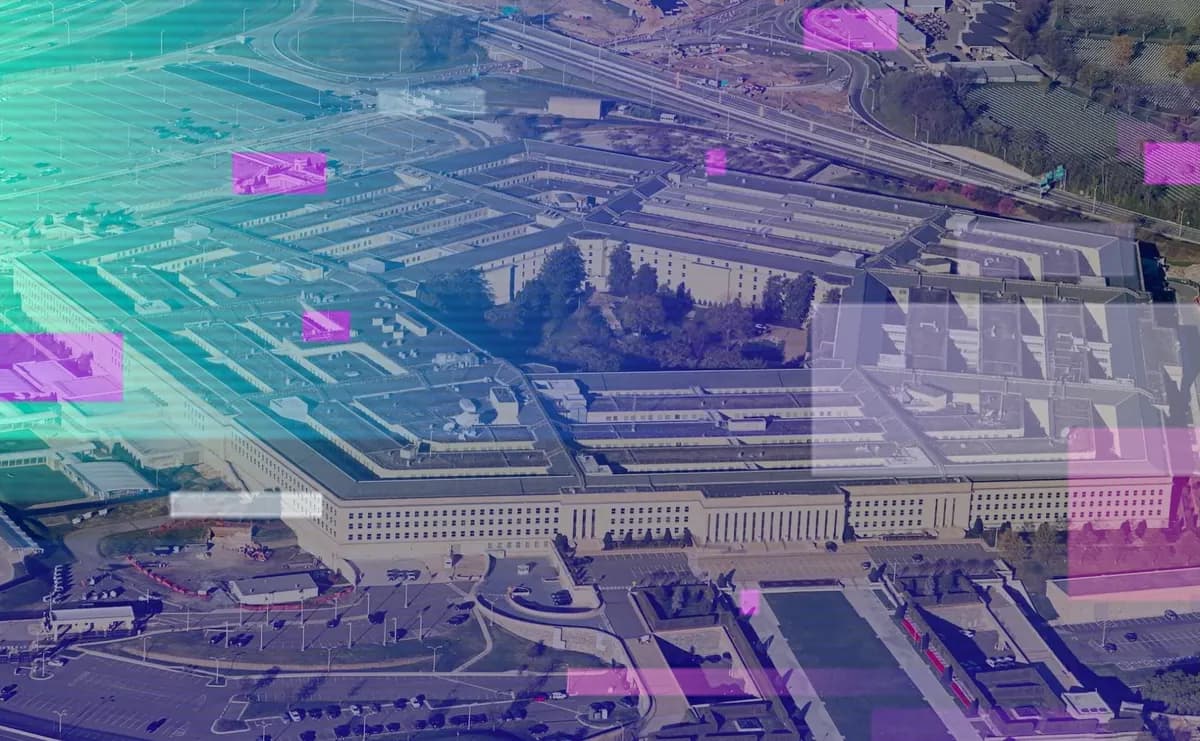
Pentagon contracts worth billions flow to ventures linked to the president's sons as the White House resists new AI regulations.
Financial ties emerge as regulatory debate intensifies
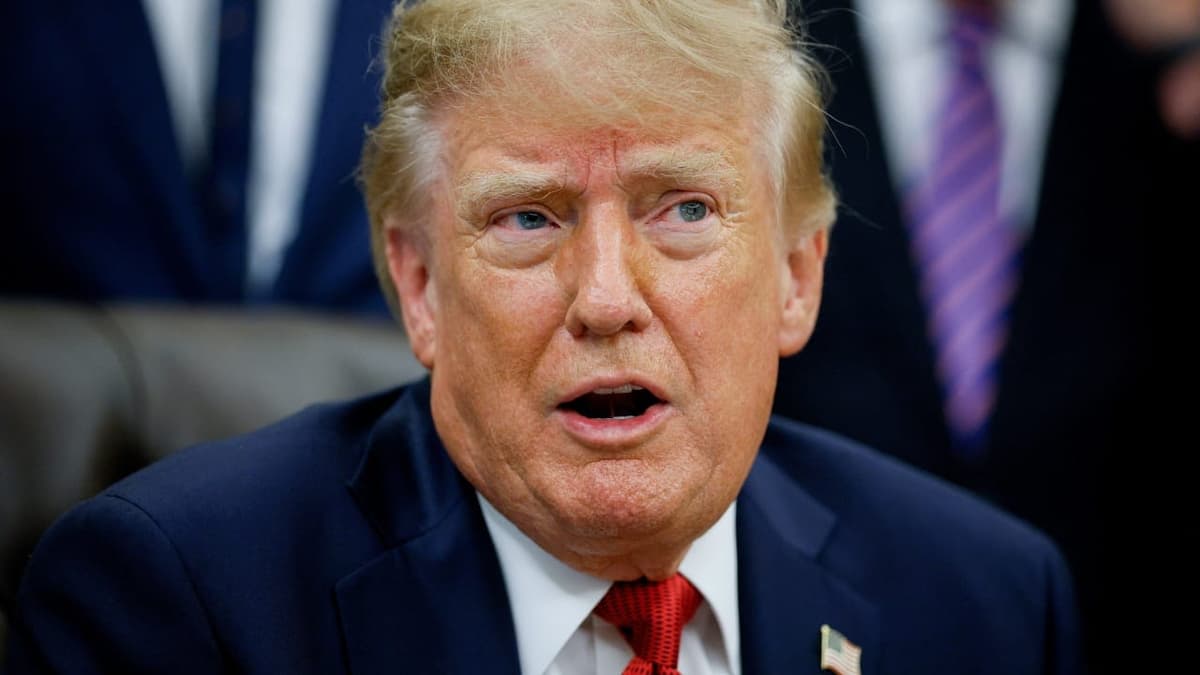
Donald Trump's aggressive defense of artificial intelligence this week comes as his family members and close allies have accumulated significant financial stakes in AI-related defense and infrastructure companies that have secured billions in federal contracts.
The president's sons, Donald Trump Jr. and Eric Trump, have positioned themselves across multiple AI-adjacent ventures over the past year. Their investments span datacenter infrastructure, rare-earth magnet production for AI hardware, military robotics, and drone manufacturing — sectors now receiving substantial Pentagon funding, according to reporting first published by The Guardian.
The most significant deal involves Vulcan Elements, a rare-earth magnet startup serving AI datacenters and defense systems. The company received a $620 million Pentagon loan in December, the largest ever issued by the Defense Department's Office of Strategic Capital. Three months before that announcement, 1789 Capital — where Trump Jr. serves as a partner — took a stake in Vulcan. A ProPublica investigation found the loan request originated not from Vulcan or the Pentagon but from White House adviser Peter Navarro, a close associate of Trump Jr., with Pentagon staff directed to move at "unusually rapid pace."
Eric Trump serves as chief strategy adviser to Foundation Future Industries, which secured a $24 million Marine Corps robotics contract. Both brothers back Powerus, a drone manufacturer holding a $90 million Air Force contract. Through their investment firm Dominari Holdings, they also helped launch American Data Centers Inc., an AI infrastructure venture.
White House resistance to regulation
As these financial interests have grown, the administration has consistently opposed new AI restrictions. Trump posted on Truth Social this week that "the only control or 'guardrails' that AI needs is a STRONG AND SMART (High IQ!) PRESIDENT," calling concerns about the technology a "SICK conspiracy."
David Sacks, who co-chairs Trump's Council of Advisors on Science and Technology, dismissed recent warnings from Anthropic and OpenAI about AI risks as political theater at a Politico summit Wednesday. The administration frames its position as necessary to maintain competitiveness with China.
Yet warnings are coming from within the industry itself. Jacob Coxon, who spent three years working on foundational AI training at both OpenAI and Anthropic, resigned in early September with a stark message: "Neither company is acting responsibly. They are racing straight to self-improving superintelligence and gambling with our lives." Anthropic's head of AI safety, Mrinank Sharma, resigned the same week, writing that "the world is in peril."
Broader conflicts of interest
The pattern extends beyond Trump's family. Sacks's venture firm holds stakes in SpaceX and multiple AI startups. In May, he reportedly convinced Trump to scrap a planned executive order that would have subjected AI models to extended government review, overriding Chief of Staff Susie Wiles and Treasury Secretary Scott Bessent. Some administration officials have privately questioned whether Sacks could personally benefit from blocking new AI rules, The Wall Street Journal reported.
Michael Dell, a longtime Trump friend and member of his science and technology advisory council, saw his company win a nearly $9 billion Pentagon contract in May. Elon Musk joined Meta's Mark Zuckerberg and Nvidia's Jensen Huang in personally lobbying Trump against a proposed industry-funded AI oversight body last month, helping shelve the plan.
Why it matters
The convergence of family business interests and policy positions creates a transparency problem at a moment when AI governance decisions will shape both national security and commercial markets for decades. Democratic lawmakers have asked the Pentagon's inspector general to investigate whether adequate safeguards exist to prevent conflicts of interest when contractors have direct family ties to the president. A Washington Post analysis found 15 companies tied to the Trump brothers' investment funds have generated at least $3.2 billion in direct federal business since their involvement, though the majority came from SpaceX and Anduril, which had government contracts before the investments.
Public sentiment has moved sharply against AI infrastructure expansion. A poll released Wednesday found just 11 percent of Americans support an AI datacenter in their community, while 65 percent oppose one — including 52 percent of Republicans. The House voted 417-3 the same day to require datacenters to bear costs of electricity-grid upgrades their operations demand.
These details were first reported by The Guardian.
This is an original analysis by the Omega editorial team. Source reporting: AI Watch.
Want systems like this working for your business?
Book a Call