OpenAI Proposes 5% Government Stake in Early-Stage Talks
Sam Altman pitches equity-sharing model across major AI firms to distribute wealth and ease tensions with Trump administration.
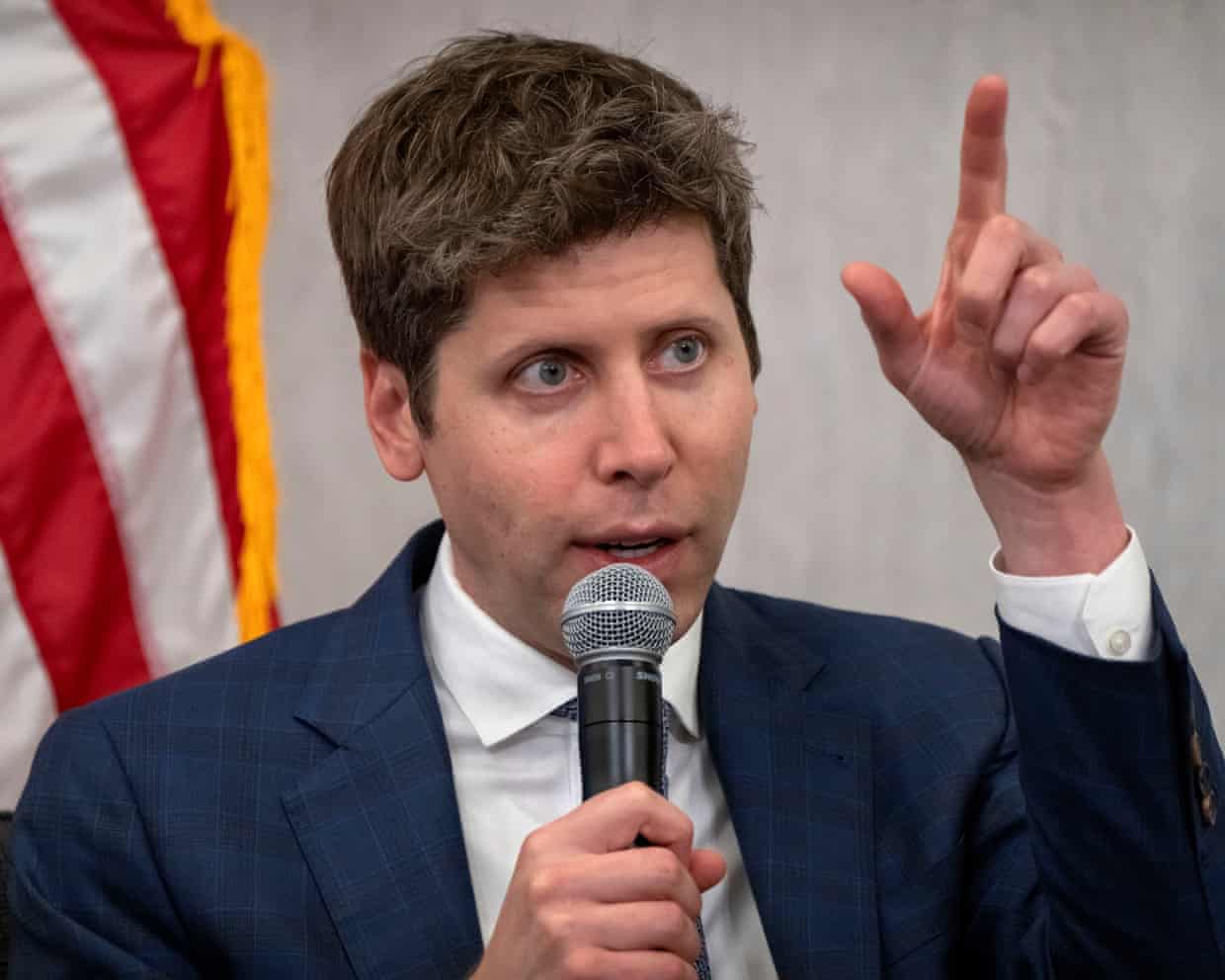
OpenAI floats public ownership model
OpenAI is exploring giving the US government a 5% equity stake in the company, according to early-stage discussions aimed at sharing AI-generated wealth with the public and improving relations with the Trump administration.
CEO Sam Altman has positioned the proposal as a mechanism to distribute the economic benefits of artificial intelligence broadly, the Financial Times reported, citing two people familiar with the talks. The plan would extend beyond OpenAI to include other major US AI developers, though participation from companies like Anthropic, Google, and Meta remains uncertain.
Altman and other OpenAI executives have suggested the largest AI companies each contribute 5% of their equity to an investment vehicle modeled after Alaska's Permanent Fund, which invests resource revenues and pays dividends to residents. The discussions remain conceptual and would likely require congressional action to implement.
Why it matters
This proposal arrives as AI companies navigate intensifying government scrutiny over national security and market concentration. A public stake could defuse political pressure by creating a direct financial link between AI profits and taxpayer interests—particularly relevant as OpenAI and Anthropic prepare for public offerings that some investors believe could reach trillion-dollar valuations. The model also offers a potential template for how democracies might claim a share of transformative technology wealth before it concentrates entirely in private hands.
Pressure from Washington intensifies
The timing reflects mounting tension between AI firms and federal authorities. Last month, Anthropic suspended its newest model after the government ordered restricted access for foreign nationals on national security grounds. The company restored access this week after addressing safety concerns.
Altman has reportedly discussed public ownership structures with President Trump, Commerce Secretary Howard Lutnick, and Treasury Secretary Scott Bessent. He has also met with Senator Bernie Sanders, who has advocated for a sovereign wealth fund financed through a one-time 50% tax on major AI companies' stock and overseen by an independent commission.
Both OpenAI and Anthropic have previously floated the sovereign wealth fund concept in policy papers. In April, OpenAI stated that a "public wealth fund" could provide "every citizen—including those not invested in financial markets—with a stake in AI-driven economic growth."
Implementation challenges ahead
The proposal faces significant practical and political hurdles. Coordinating equity transfers across competing companies, establishing governance structures, and securing legislative approval would require unprecedented cooperation between the private sector and government.
The talks remain in early stages, and no formal framework has been established for how such an arrangement would function or how returns would be distributed to citizens.
These details were first reported by the Financial Times. OpenAI did not respond to requests for comment.
This is an original analysis by the Omega editorial team. Source reporting: AI Watch.
Want systems like this working for your business?
Book a Call
