NYC Council Candidate Charged Over AI-Generated Fake Endorsements
Jonathan Rinaldi faces forgery charges for allegedly using artificial intelligence to fabricate political support and attack opponents during his 2023 campaign.
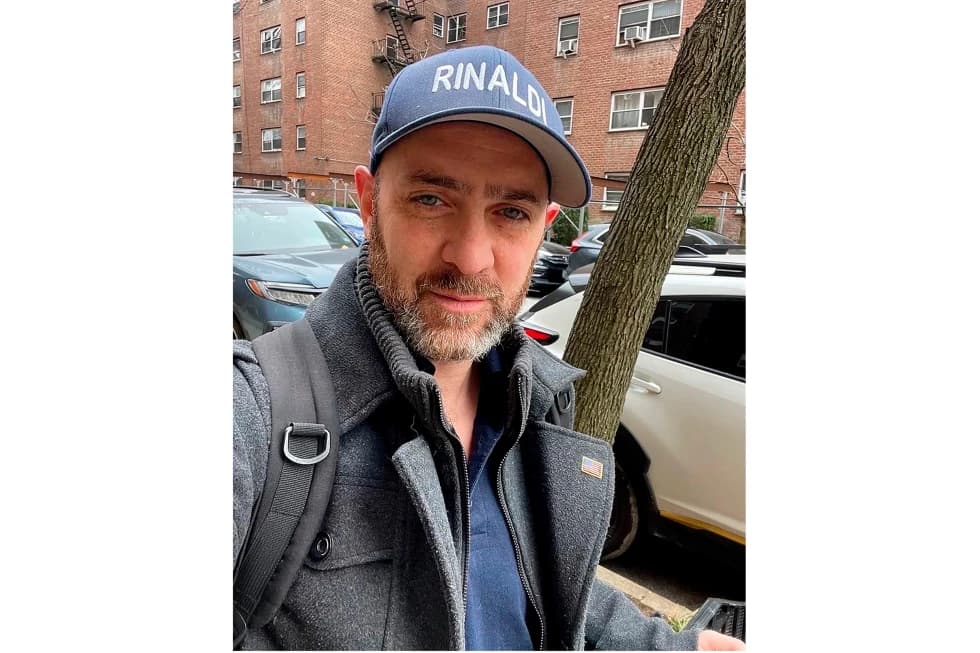
Former candidate arrested for AI-generated campaign fraud
A former New York City Council candidate has been arrested and charged with forgery after allegedly using artificial intelligence to manufacture endorsements and create fake news coverage during his 2023 campaign. Jonathan Rinaldi, 47, was taken into custody outside his Queens home and could face up to two years in prison if convicted.
Rinaldi ran unsuccessfully as a Republican for a Queens council seat last year. Queens District Attorney Melinda Katz alleges he used AI tools to generate a range of deceptive content posted primarily on Facebook and Instagram, including fabricated endorsements from community organizations, doctored photographs with opponents, and entirely fake news articles.
The alleged deceptions
According to prosecutors, Rinaldi created a post falsely claiming an endorsement from the Queens Jewish Alliance, complete with the organization's authentic logo and a legitimate-looking endorsement document. When confronted by the group's leadership in a recorded phone call, Rinaldi allegedly responded: "When you are trying to fight against the establishment, I have to use every available tool that's at my disposal."
The complaint details additional fabrications, including a fake New York Post article claiming Democratic Council Member Robert Holden had endorsed him. That post featured an AI-generated photograph showing Holden shaking Rinaldi's hand. Court documents reveal the AI prompt Rinaldi allegedly used: "face swap the man on the left" and "just change the face the head is ok they are both bald just change the face."
Prosecutors say Rinaldi also generated doctored images of his Democratic opponent Lynn Schulman wearing a shirt reading "Hot Girls for Zohran"—an apparent reference to Muslim Mayor Zohran Mamdani designed to damage her support in the heavily Jewish Forest Hills neighborhood. Additional AI-generated videos falsely depicted endorsements from a police precinct and an elementary school, both public institutions prohibited from making political endorsements.
Why it matters
This case represents one of the first criminal prosecutions targeting AI-generated political disinformation under existing forgery statutes. While more than half of U.S. states have enacted laws specifically addressing AI use in elections, New York prosecutors are applying pre-existing forgery laws that define written instruments broadly enough to encompass digital content. The charges demonstrate that authorities can pursue AI-enabled deception without waiting for technology-specific legislation—a significant precedent as campaigns increasingly experiment with synthetic media. The case also highlights the tension between political speech protections and fraudulent misrepresentation, a boundary that courts will likely define more clearly as AI tools become ubiquitous in political campaigns.
Legal framework and defendant's response
Rinaldi is charged with third-degree forgery and possession of forged instruments under New York statutes that predate artificial intelligence. The law defines forgery as falsely making or altering a "written instrument"—including online content—with intent to defraud or deceive. New York adopted additional protections in 2024 requiring disclosure of deepfakes in campaign materials, but Rinaldi's alleged conduct occurred during the 2023 race.
In a phone interview, Rinaldi characterized his arrest as a free speech issue affecting all Americans, though he declined to confirm or deny creating the posts or images. "I got arrested for social media posts," he said. "This is an issue that strikes at the heart of our First Amendment freedoms."
Rinaldi appeared on Tuesday's Democratic primary ballot for state Assembly, where he was decisively defeated by incumbent Andrew Hevesi. During that campaign, Hevesi accused Rinaldi of fraudulently submitting documents to change his party registration.
These details were first reported by the Associated Press.
This is an original analysis by the Omega editorial team. Source reporting: AI Watch.
Want systems like this working for your business?
Book a Call