Amazon Data Center Bypasses Public Input Using 45-Year-Old Rules
Gilroy, California residents discovered construction underway on a 56-acre facility after comment periods closed under decades-old zoning laws.
Construction Begins Before Community Awareness
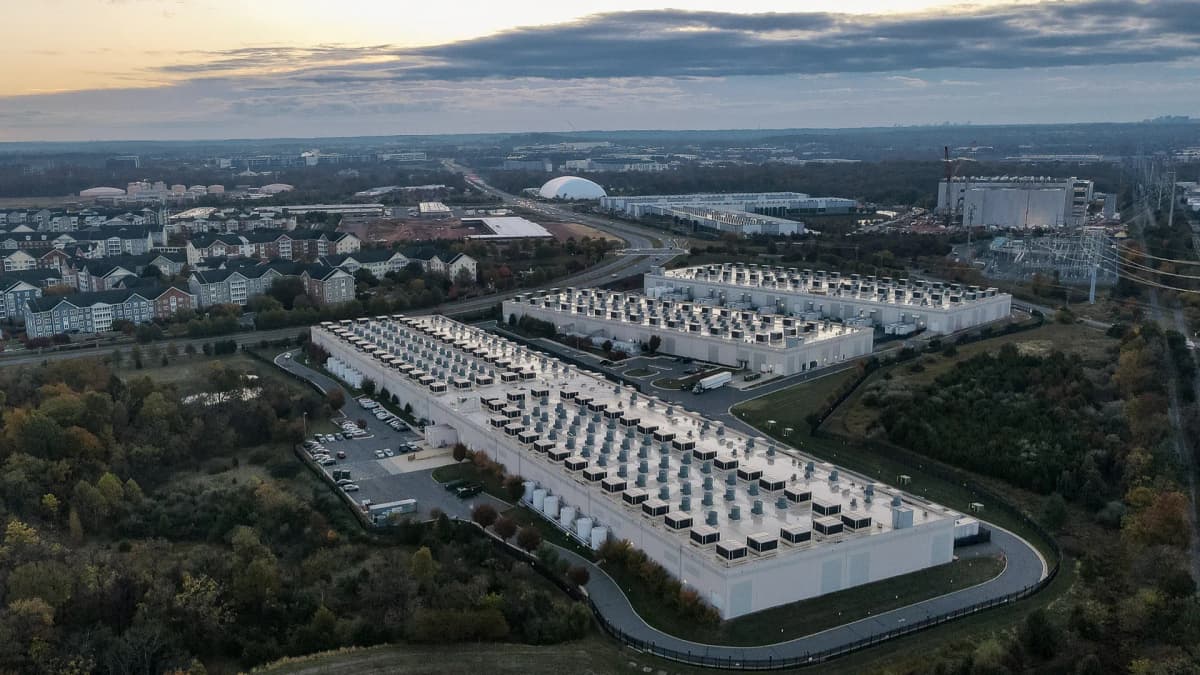
Residents of Gilroy, California learned last month that Amazon had begun constructing a data center in their community—but only after the window for public input had closed. The 56-acre facility, located between a Walmart Supercenter and outlet mall about 30 miles southwest of San Jose, proceeded under zoning regulations established in 1979, according to the Wall Street Journal.
The project application started in 2020, and while the process wasn't entirely secret, it unfolded largely outside public awareness. When resident Rosa Rodriguez attempted to voice concerns about water usage in a drought-prone region, she discovered the comment period had ended in 2024—well before data centers became a national flashpoint.
Why it matters
This case reveals a growing tension between municipal governance structures designed for traditional industrial development and the unique infrastructure demands of AI and cloud computing. As data centers proliferate to support generative AI workloads, communities nationwide are grappling with water consumption, energy grid strain, and environmental impacts—often discovering projects too late to influence outcomes. The Gilroy situation demonstrates how outdated zoning frameworks can inadvertently exclude residents from decisions that significantly affect their resources and quality of life.
Friction During the Approval Process
The path to approval wasn't entirely smooth. Amazon officials expressed frustration with permitting delays that extended at least one year, while city administrators pushed back on certain company requests. Roger Wehner, Amazon Web Services vice president of economic development, stated the site underwent a lengthy approval process with required public notices and comment periods.
Gilroy Mayor Greg Bozzo noted that similar-scale industrial projects had previously been approved without community resistance. He pointed out that food distribution centers of comparable size generated no opposition, questioning why the data center sparked different reactions. However, Bozzo acknowledged that public awareness around data center developments has evolved, saying the city now has "an opportunity to change the way that we do business in Gilroy."
Amazon's Community Response
In response to concerns, Amazon has increased engagement efforts. Company officials report meeting directly with residents and hosting an open house for questions and feedback. Addressing water shortage fears—a legitimate concern given impacts at other data center sites—Amazon stated it is building a wastewater recovery system and constructing a pipeline to transport wastewater to the facility.
The company has also provided economic incentives, including a million-dollar donation toward a new fire truck, grants to local nonprofits, and sponsorship of the annual Gilroy Garlic Festival. Mayor Bozzo emphasized benefits such as increased tax revenue and construction jobs.
The Core Issue
Yet the fundamental problem isn't the data center itself. Residents object to a major infrastructure project with significant community impact receiving approval without their knowledge or meaningful opportunity for input. The situation highlights how rapidly evolving technology infrastructure can outpace municipal governance frameworks designed for a different era.
The Wall Street Journal first reported these details about the Gilroy data center development.
This is an original analysis by the Omega editorial team. Source reporting: AI Watch.
Want systems like this working for your business?
Book a Call