NYC Bill Would Ban Facial Recognition at Madison Square Garden
Proposed legislation targets MSG's extensive biometric surveillance practices after years of tracking fans, lawyers, and celebrities.
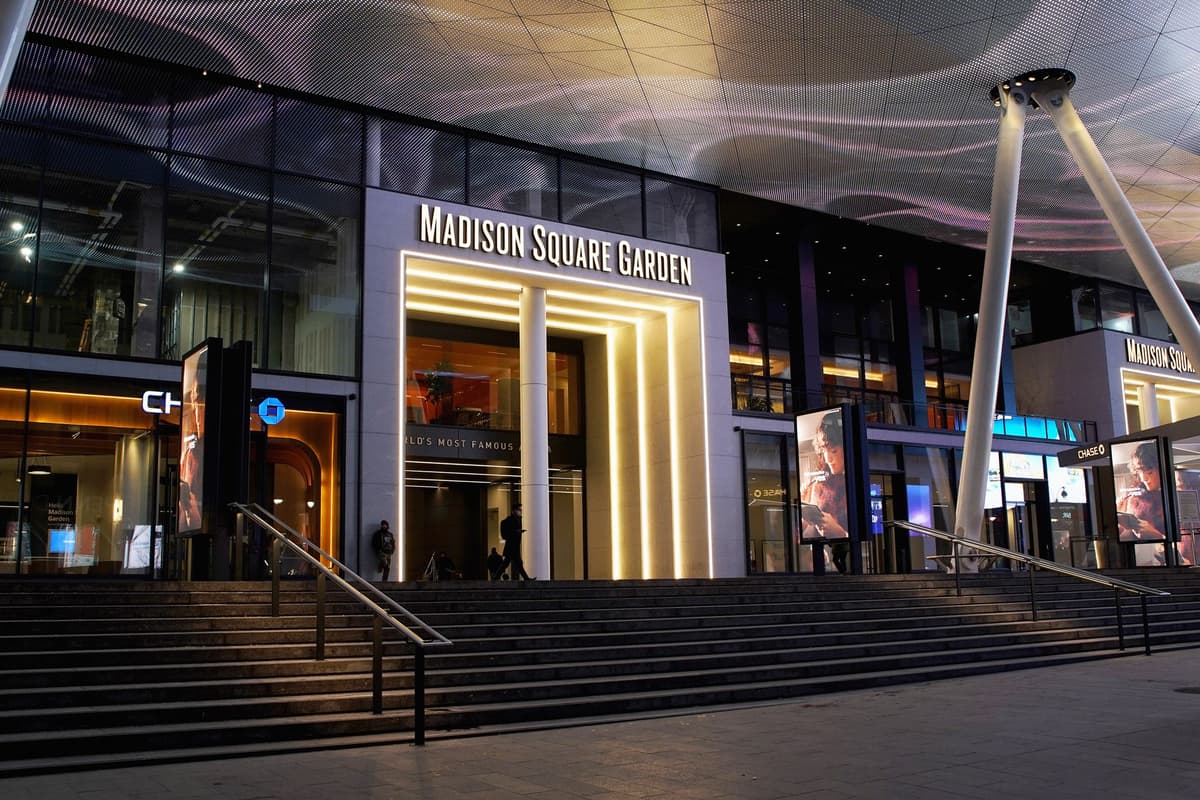
New York City lawmakers are advancing legislation that would prohibit facial recognition technology at Madison Square Garden and other public venues, following years of controversy over the arena's surveillance practices.
City Council member Shahana Hanif led a rally outside MSG on Friday alongside privacy advocates and musicians to build support for her "Ban the Scan" bill, which she introduced in January. The legislation would bar public venues from deploying biometric recognition systems to identify attendees.
MSG's Extensive Surveillance Database
Madison Square Garden has built a reputation for aggressive use of facial recognition technology under CEO James Dolan. The venue maintains databases that track critics of Dolan and the New York Knicks, according to details first reported by WIRED.
In one documented case, MSG security monitored a specific fan throughout an entire Knicks game, recording their movements minute-by-minute, including who they spoke with, when they ate, and their seating location. The venue has also banned hundreds of lawyers involved in legal disputes with Dolan or his properties from entering any Dolan-owned venue. One mother was prevented from attending a Radio City Music Hall show with her daughter due to such a ban.
WIRED previously reported that MSG maintains a separate database assigning risk scores to approximately 400 celebrities and VIPs who attend events. Some entries in this database include information about individuals' race and sexual orientation. MSG filed a defamation lawsuit against WIRED following that July report.
Growing Legislative Support
Hanif's bill has secured 27 endorsements from City Council members—more than half the body. She told WIRED that council members are now in discussions with speaker Julie Menin about moving the legislation forward.
The Friday rally drew support from Brooklyn country musician Paisley Fields, representatives from NYC DSA Tech Action, and digital rights group Fight for the Future.
In response to the proposed ban, an MSG spokesperson defended the practice: "People have been recognizing each other's faces since the beginning of time—we just do it electronically."
Why it matters
The legislation represents one of the most significant municipal efforts to restrict facial recognition at private entertainment venues. With Dolan's close relationship to President Donald Trump, lawmakers worry about how biometric data collected from millions of attendees could be used. The bill could set a precedent for other cities grappling with the expansion of surveillance technology in spaces where people expect to gather freely.
Hanif, who grew up Muslim in post-9/11 New York, said many attendees don't realize the extent of monitoring they face at concerts and sporting events. "New Yorkers need to understand, right now, between AI and all these tools that are being sold to us as being for our city's safety, are actually making us less safe," she told WIRED.
These details were first reported by WIRED.
This is an original analysis by the Omega editorial team. Source reporting: WIRED.
Want systems like this working for your business?
Book a Call
