NVIDIA Launches Vera CPU in China Amid GPU Export Curbs
The chip giant targets AI data centers with processors designed to navigate U.S. trade restrictions.
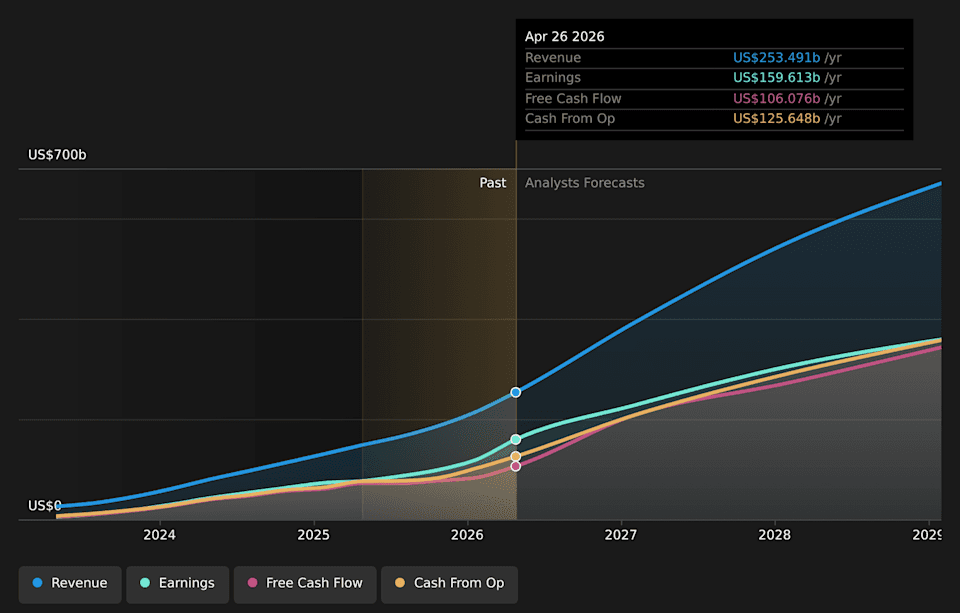
NVIDIA pivots to CPUs for Chinese AI market
NVIDIA has launched its Vera CPU in China, marking a strategic shift as the company navigates tightening U.S. export restrictions on advanced graphics processors. The move targets AI data center and cloud computing workloads with chips that face fewer trade barriers than the GPUs that have driven NVIDIA's recent growth.
According to reports first published by AI Watch, the company has secured early orders for Vera and established internal revenue targets specifically tied to sales among Chinese cloud providers and data center operators. The launch comes as NVIDIA stock trades at approximately $205.15 per share, up 44.7% over the past year despite a 9.2% decline in the last 30 days.
Why it matters
This CPU launch represents more than a product introduction—it signals how NVIDIA plans to maintain access to one of the world's largest AI infrastructure markets under evolving geopolitical constraints. China's massive cloud and data center sector could provide meaningful revenue if Vera gains traction, potentially reshaping NVIDIA's product mix and regional exposure in ways that will influence how investors assess the company's growth trajectory in coming quarters.
Strategic implications for investors
The Vera launch raises questions about NVIDIA's long-term balance between GPU and CPU revenues. While the company built its AI dominance on graphics processors optimized for machine learning workloads, CPUs offer a pathway into markets where GPU exports face regulatory hurdles.
Wall Street analysts currently place NVIDIA's fair value around $298.93 per share, roughly 31% above current trading levels. The company's three-year return stands at 381.5%, reflecting its central role in the AI infrastructure buildout. Whether Vera can contribute meaningfully to that growth depends on adoption rates among major Chinese cloud operators and how aggressively NVIDIA pursues CPU development alongside its core GPU business.
Risk factors remain elevated
Investors evaluating the Vera opportunity should weigh several complicating factors. U.S. export controls continue to evolve, creating regulatory uncertainty around any China-focused product strategy. The company also faces ongoing scrutiny over significant insider selling activity and elevated non-cash earnings components that some analysts flag as valuation concerns.
The Chinese market's scale makes it strategically important, but geopolitical tensions and trade policy shifts could limit NVIDIA's ability to capitalize on that opportunity regardless of product strategy. How management discusses Vera revenue targets and customer adoption in upcoming earnings calls will provide crucial signals about whether this CPU initiative can offset GPU restrictions or merely cushion their impact.
Details of the Vera CPU launch and early order activity were first reported by AI Watch.
This is an original analysis by the Omega editorial team. Source reporting: AI Watch.
Want systems like this working for your business?
Book a Call
