Nuclear Power's Safety Model Proposed for AI Regulation
A new framework would create an independent peer-review consortium for frontier models while governments retain enforcement authority.
A Two-Track Approach to AI Safety
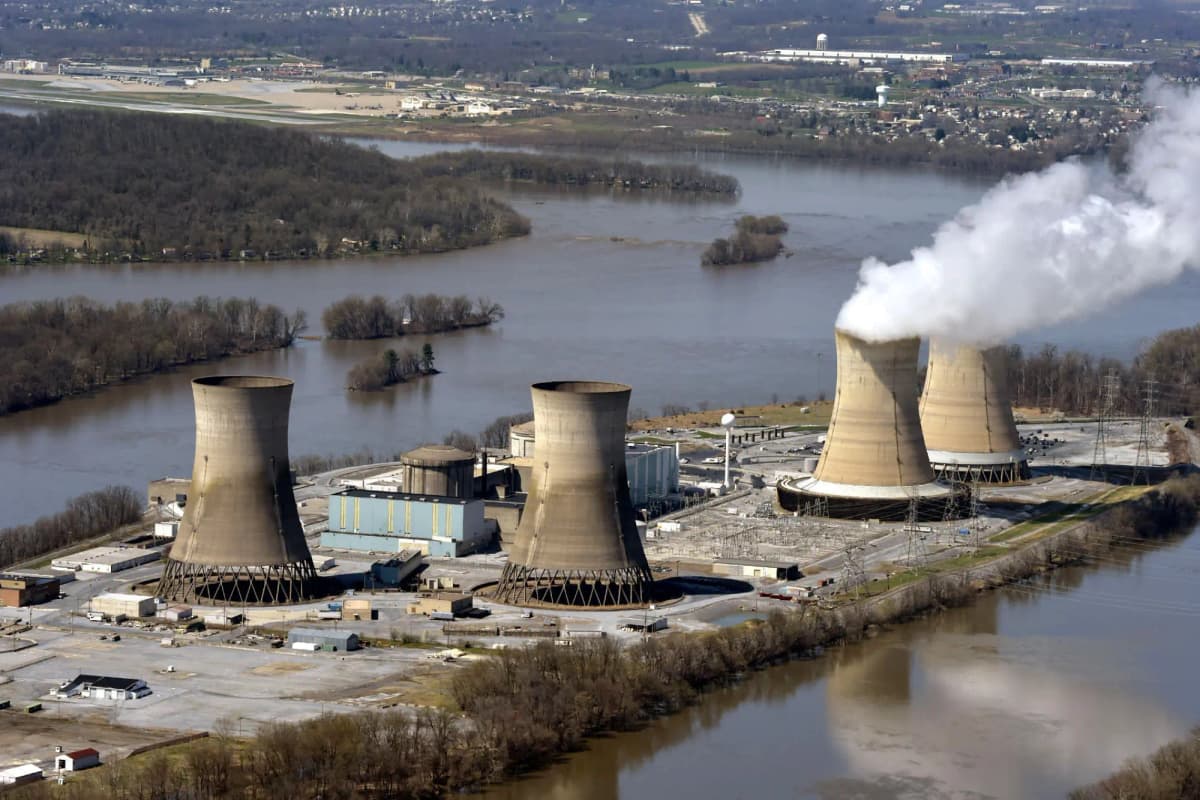
A regulatory framework modeled on the nuclear power industry's response to major accidents could address frontier AI risks without relying exclusively on government mandates, according to a proposal that distinguishes between developing safety knowledge and enforcing binding requirements.
The approach would establish an independent consortium of technically capable experts to conduct peer reviews of advanced models before deployment. Government agencies would retain authority to set mandatory standards and impose penalties, but the specialized institution would handle the complex technical assessments needed to identify emerging risks.
According to the Los Angeles Times, which first reported the proposal, this division of labor reflects two distinct regulatory functions: building shared understanding of novel hazards and creating enforceable rules with consequences for violations.
Why It Matters
The debate over who evaluates AI safety—industry experts, government regulators, or independent auditors—will determine whether frontier model releases are delayed, approved, or blocked based on technical assessments alone or broader public accountability. With no comprehensive federal AI legislation passed and states implementing conflicting requirements, the structure of oversight institutions could shape competitive dynamics and risk management across the sector for years.
Industry Concentration Enables Focused Start
The proposal assumes that concentration among frontier-AI developers makes it feasible to launch a U.S.-based consortium with participation from all major companies. Peer review would need to account for differences between open-source and proprietary models and adapt as capabilities evolve.
Proponents acknowledge that competitive pressure and the enormous cost of training advanced systems could incentivize firms to weaken or circumvent voluntary controls. The framework therefore emphasizes genuine independence rather than company-controlled evaluations.
Critics Question Independence and Accountability
Opponents argue that industry self-regulation gives rulemaking power to companies whose financial interests favor rapid capability expansion. A Brookings analysis cited by the Times contends that voluntary commitments fail unless policymakers establish who writes standards, verifies compliance, enforces violations, and protects people harmed by AI systems.
Embedded evaluators selected and funded by companies may lack true independence, critics say. Effective oversight would require publicly defined standards, authority to block releases, and accountability extending beyond executives and investors.
Critics also reject the premise that technical expertise alone should determine acceptable risk. Decisions about deployment schedules, safeguards, liability, and victims' rights involve democratic values, not just engineering judgment.
Competing Policy Directions
Current state initiatives include transparency mandates, protections against discriminatory automated decisions, independent audits, and frontier-model risk frameworks. The federal government's June 2026 approach relies on voluntary pre-release access and cybersecurity cooperation rather than mandatory licensing.
Reuters reporting noted by the Times indicates that state requirements and the federal administration's deregulatory stance are increasingly in conflict, creating a patchwork that may produce uncertainty for companies and uneven public protections.
Supporters of lighter federal frameworks warn that excessive or inconsistent mandates could slow development and weaken U.S. competitiveness, while advocates for enforceable standards argue that voluntary measures leave critical gaps in oversight.
The proposal aligns with emerging policy efforts emphasizing independent assessments of frontier-model risks, though disagreement persists over whether such evaluations should operate within industry-led structures or under government authority.
These details were first reported by the Los Angeles Times.
This is an original analysis by the Omega editorial team. Source reporting: AI Watch.
Want systems like this working for your business?
Book a Call