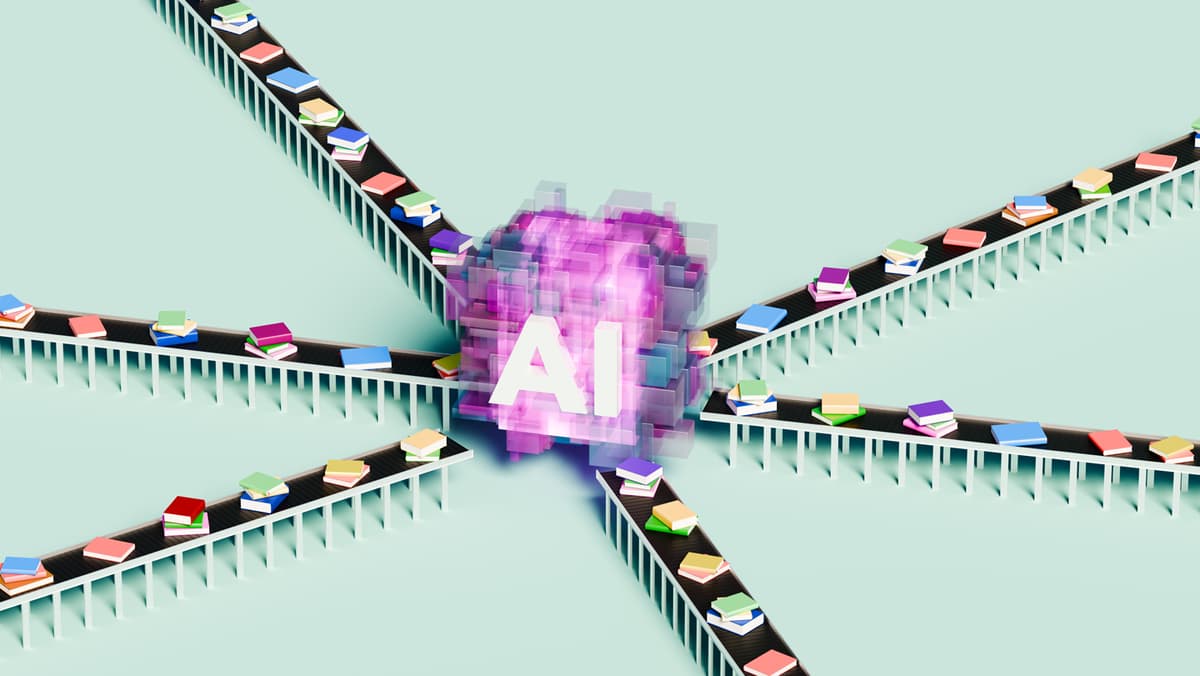
Novo Nordisk Deploys AI Across Drug Discovery Pipeline
The maker of Ozempic and Wegovy reports threefold improvements in target identification as patent expirations loom.
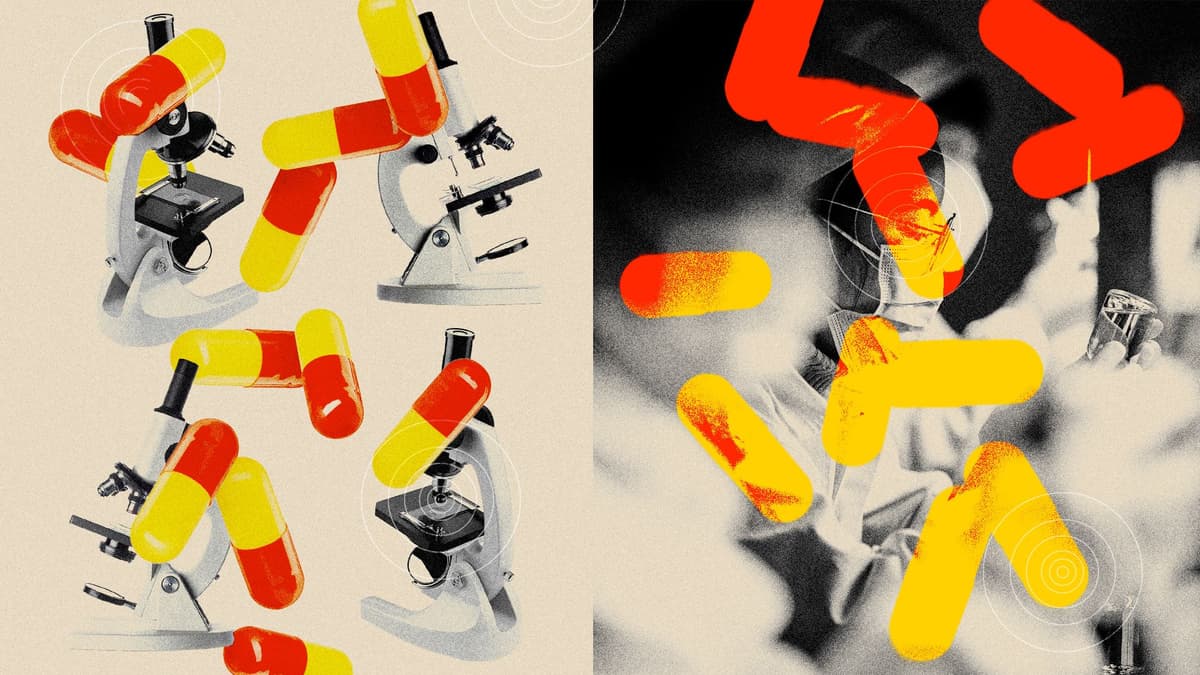
Novo Nordisk accelerates AI-driven drug development
Novo Nordisk, the pharmaceutical giant behind blockbuster weight-loss medications Ozempic and Wegovy, is significantly expanding its use of artificial intelligence in drug discovery, with executives reporting measurable gains across multiple stages of development.
The company—which recently simplified its corporate branding to just "Novo"—now maintains more than 30 strategic AI partnerships and employs over 600 AI and digital professionals working directly with its scientific teams. Chief Scientific Officer Martin Holst Lange told reporters Tuesday that the company has successfully identified both new drug targets and candidate molecules using AI systems, though it continues to integrate traditional pharmacology and chemistry methods alongside computational approaches.
Why it matters
Novo faces mounting pressure to expand its drug portfolio as patents on its lucrative GLP-1 medications approach expiration in the early 2030s. The company's embrace of AI represents a high-stakes test of whether computational drug discovery can deliver commercial results at scale—a promise the pharmaceutical industry has pursued for years without major breakthroughs reaching market.
Concrete efficiency gains reported
In an investor presentation, Novo disclosed specific performance improvements achieved through AI implementation in 2026. The company reported a threefold improvement in its "target rate"—the efficiency of identifying promising genes through virtual assays rather than laboratory experiments.
Clinical trial operations saw dramatic acceleration, with a 90% reduction in the time required to select trial sites and analyze patient populations. The company also achieved a tenfold improvement in the speed of generating clinical study reports, a traditionally labor-intensive documentation process.
Workforce implications acknowledged
Novo CEO Mike Doustdar directly addressed the employment consequences of automation, stating he would not avoid acknowledging that certain tasks will become automated and the company's skill requirements will shift.
"My responsibility, I would say, is to make sure we improve productivity and innovation, and manage the transition responsibly for our people, and that's exactly what we're planning to do," Doustdar said.
The comments reflect growing recognition across the pharmaceutical sector that AI adoption will fundamentally reshape scientific and operational roles, even as companies emphasize the technology's potential to augment rather than replace human expertise.
Hybrid approach to discovery
Novo's strategy combines computational methods with conventional drug development techniques. Lange emphasized that AI serves to "amplify" the company's science rather than replace established approaches, suggesting the company views machine learning as a tool for accelerating and refining traditional discovery pathways rather than a wholesale replacement for laboratory work.
These details were first reported by Axios.
This is an original analysis by the Omega editorial team. Source reporting: AI Watch.
Want systems like this working for your business?
Book a Call