AI Weather Models Could Close 70-Year Forecasting Gap for Health
New report shows AI-powered forecasts run on single chips at fraction of traditional cost, but warns deployment must prioritize vulnerable populations.
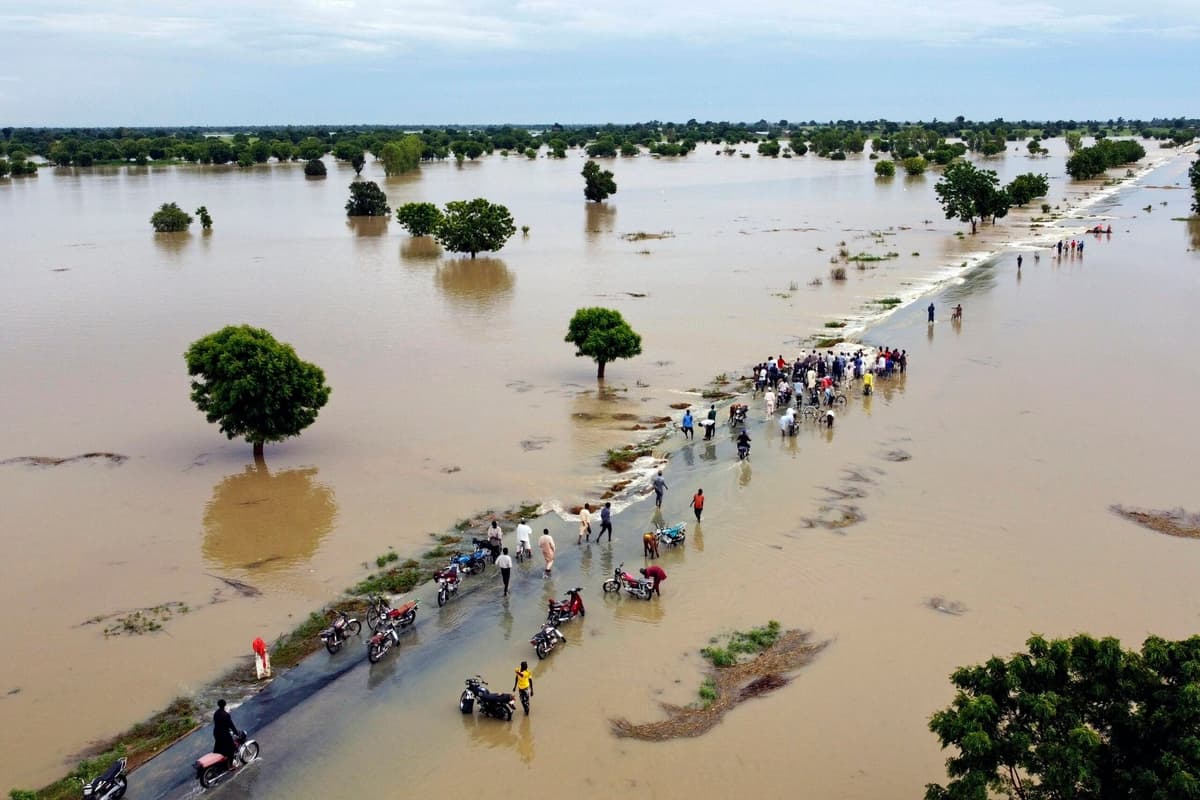
Artificial intelligence is collapsing both the cost and computational barriers that have kept advanced weather forecasting out of reach for most of the world's population. A 10-day forecast that once required a $100 million supercomputer now runs in minutes on a single computer chip, according to a new report from the University of Chicago's Institute for Climate and Sustainable Growth.
The report, supported by The Rockefeller Foundation, argues that AI weather models now match or exceed the accuracy of physics-based systems while operating at a fraction of the cost. This technological shift could finally bring locally tailored forecasts to low- and middle-income countries facing the greatest health risks from climate change—but only if the deployment is deliberate and equitable.
Why it matters
The gap between forecasting capability and health outcomes isn't just technical—it's structural. While 81% of national meteorological services report providing climate information for health applications, only 23% of health ministries operate surveillance systems that actually use that meteorological data, according to World Meteorological Organization figures cited in the report. AI's cost advantage creates an opportunity to redesign forecasting around the decisions health officials actually need to make, rather than forcing them to work with information they cannot act on.
The decision-timing mismatch
Report author Amir Jina, an assistant professor at the University of Chicago Harris School of Public Policy, identifies a critical gap in current forecasting infrastructure. Many health interventions require two to four weeks of advance warning—enough time to stage heat response systems or time malaria control measures for maximum effectiveness. Yet this window remains the least invested-in range in forecasting.
A case study from Nigeria illustrates the problem. In cross-sector planning exercises, nearly every preparedness action participants identified required weeks of notice, while available forecast products operated on timescales of either days or seasons. No participants requested products in the intermediate range because none had ever existed.
Four investment priorities
The report, which incorporated input from 20 organizations including the WHO/WMO Joint Office for Climate and Health and NVIDIA, outlines 22 recommendations across four categories:
Discovery: Evaluate forecast models based on whether they support actual health decisions, starting with extreme heat response.
Evidence: Require every climate service to define the specific health decision it serves before deployment, then fund rigorous evaluation from the first implementation cycle.
Scaling: Establish dedicated mechanisms to bring proven climate-health services to national scale, bridging the gap between pilot grants and development bank financing.
Sustainability: Integrate health considerations into national AI and data policy frameworks currently being drafted, learning from climate adaptation plans where health remains underfunded despite being universally recognized as vulnerable.
Dr. Naveen Rao, Senior Vice President of Health at The Rockefeller Foundation, emphasized that technology alone is insufficient. "We need to invest in the data, training, and local ownership that makes these early warnings worth acting on," he said.
Testing the approach
The Human-Centered Weather Forecasts Initiative is already piloting these methods. University of Chicago researchers have collaborated with the Indian government and are now working with Ethiopia to build forecasts around locally identified needs. The same team is training meteorologists from 30 low- and middle-income countries to build and adapt AI weather forecasts for their specific contexts.
The report warns that without intentional action, AI forecasting risks replicating the inequities of conventional systems. The status quo, it argues, is now a choice rather than a technical constraint.
Details were first reported by The Rockefeller Foundation. The full report is available through the University of Chicago's Institute for Climate and Sustainable Growth.
This is an original analysis by the Omega editorial team. Source reporting: AI Watch.
Want systems like this working for your business?
Book a Call