Nokia AI-RAN moves from trials to commercial deployment
Eight global operators now testing AI-native radio access network technology as industry shifts toward programmable, AI-capable infrastructure.
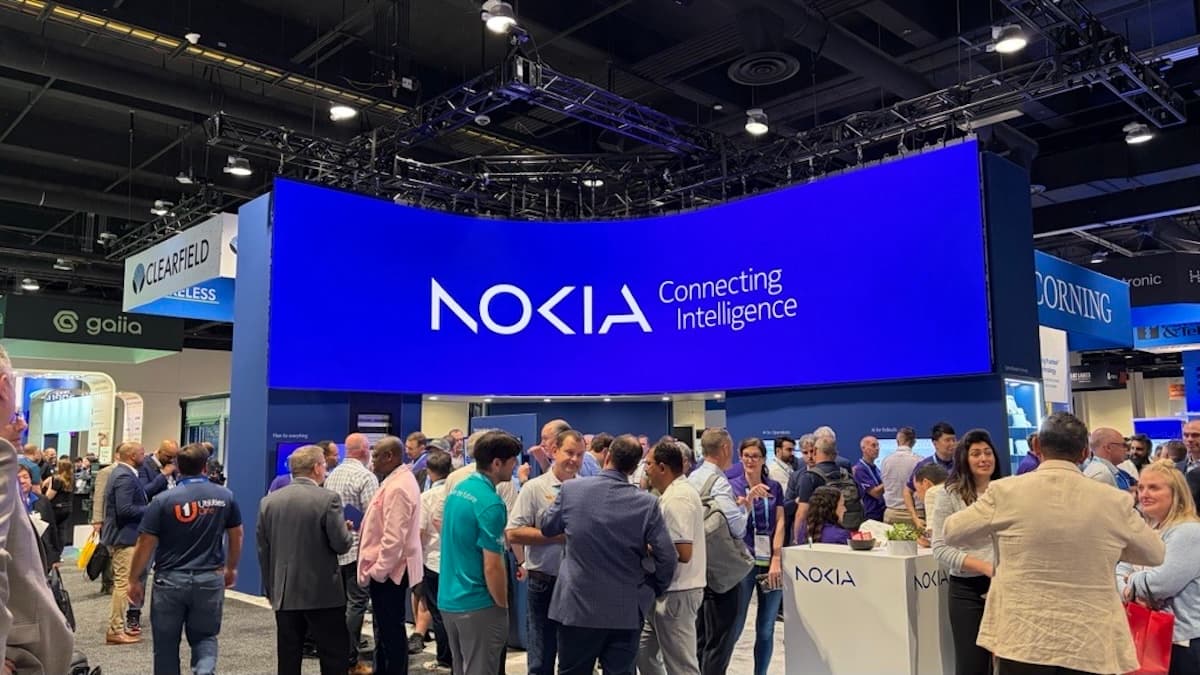
Nokia expands AI-RAN operator trials globally
Nokia reported today that its AI-native radio access network technology is advancing from early evaluation stages to laboratory and live field trials with telecommunications operators across multiple continents. The company disclosed that eight carriers—A1 Group, Chunghwa Telecom, du, e&, Mobily, stc, TPG Telecom, and Zain Saudi—are now actively engaged in testing the technology, alongside previously announced trials with NTT DOCOMO that continue to progress.
The expansion represents a shift from theoretical exploration to practical implementation of AI-RAN, which transforms traditional radio networks into programmable platforms capable of handling both connectivity and artificial intelligence workloads. According to Nokia, this evolution lays groundwork for future AI-native 6G networks.
Why it matters
The progression from lab tests to field trials signals that AI-RAN is approaching commercial viability faster than many industry observers expected. For network operators facing pressure to improve spectral efficiency and reduce operational costs, AI-native infrastructure promises dynamic optimization that traditional RAN architectures cannot deliver. The technology's ability to support AI workloads directly at the network edge also positions carriers to monetize new services beyond basic connectivity.
Building on recent platform launches
The operator trials build on Nokia's recent introduction of what it describes as the industry's first commercial AI-native RAN platform. The company has also disclosed evaluations with T-Mobile, SoftBank, and Indosat Ooredoo Hutchison, though specific technical details or timelines for those engagements were not provided.
Nokia emphasized its collaboration with NVIDIA on AI-RAN platform development and software tools, alongside partnerships with an expanding roster of original equipment manufacturers. These partnerships aim to accelerate development of an open AI-RAN ecosystem, moving away from proprietary implementations that have historically limited interoperability in telecommunications infrastructure.
Geographic distribution of trials
The current roster of operators testing AI-RAN spans North America, Europe, Asia-Pacific, and the Middle East. This geographic diversity suggests Nokia is pursuing a multi-market commercialization strategy rather than concentrating initial deployments in a single region. The Middle East appears particularly active, with four operators from the region—du, e&, Mobily, and Zain Saudi—participating in trials.
Nokia characterized the movement from industry vision to commercial reality as accelerating, though the company did not specify expected timelines for full commercial launches or provide performance metrics from ongoing trials.
These details were first reported by Nokia in a company announcement today.
This is an original analysis by the Omega editorial team. Source reporting: AI Watch.
Want systems like this working for your business?
Book a Call