New York Requires AI Disclosure Labels on Ads With Synthetic Actors
First-in-nation law imposes fines up to $5,000 for advertisers who fail to clearly identify digitally generated performers.
New disclosure mandate takes effect
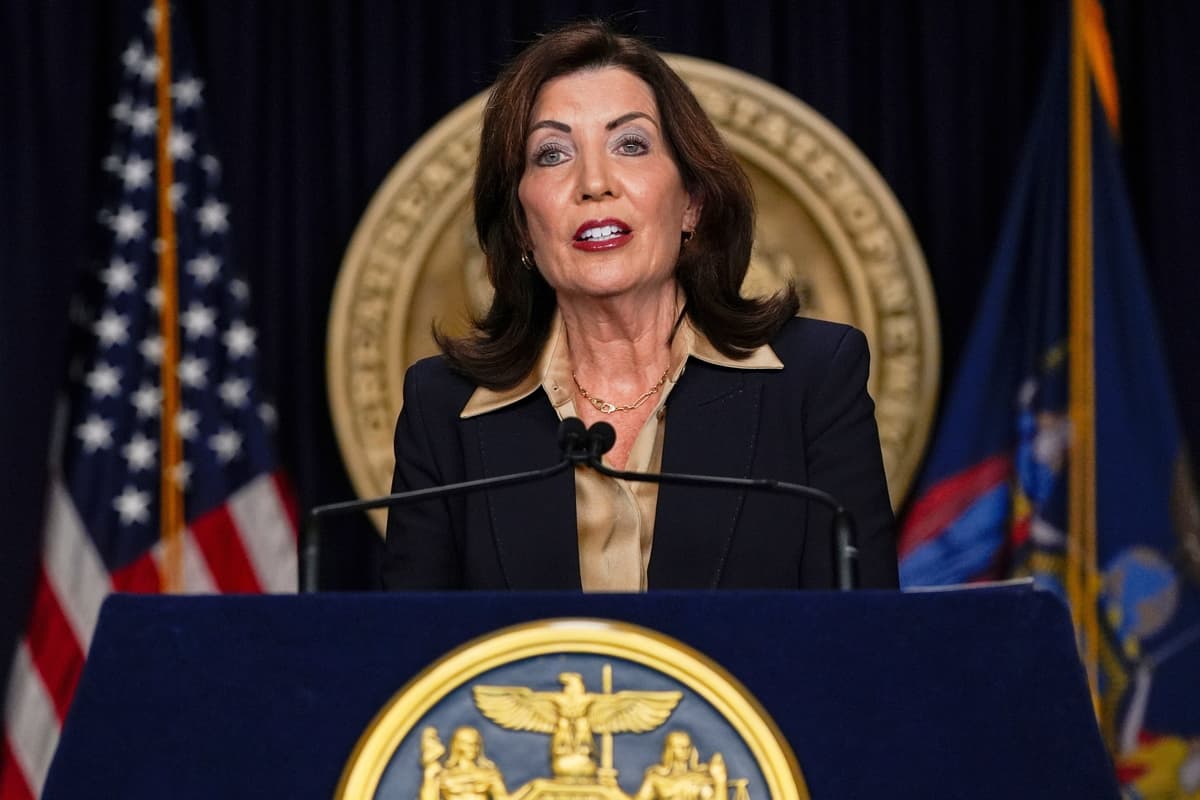
Advertisers in New York must now clearly label when they use AI-generated people in their campaigns or face financial penalties under a new state law that took effect this week. The legislation, signed by Governor Kathy Hochul in December, requires "conspicuous disclosure" whenever ads feature what the state defines as "synthetic performers"—digitally created media that appear as real people.
First violations carry a $1,000 penalty, with subsequent violations increasing to $5,000. The law applies across all advertising mediums, according to CT Mirror, which first reported the details.
Under the statute, synthetic performers include any digitally generated imagery that resembles an actual person. The requirement covers advertisements on social platforms, digital displays, print media, and other formats where brands might deploy AI-generated human likenesses instead of hiring real actors or models.
Why it matters
This regulation represents the first state-level attempt to mandate transparency around synthetic performers in commercial advertising. As AI tools make it increasingly simple and cost-effective to generate realistic human imagery, the law establishes a precedent that could influence how other states approach disclosure requirements. For advertisers operating nationally, New York's rules add compliance complexity but also signal growing regulatory attention to AI-generated content in commercial contexts.
Industry pushback and exemptions
The American Association of Advertising Agencies and allied organizations opposed the legislation during its passage through the state legislature last year. The 4As argued the law would create "compliance uncertainty" and burden brands advertising in New York while undermining innovation.
Lawmakers included several carve-outs in response to industry concerns. The disclosure requirement does not apply to advertisements for entertainment products—movies, television shows, streaming content, or video games—where synthetic performers appear throughout the work. Audio-only advertisements are also exempt, as are ads where AI is used solely for language translation.
The New York State Broadcasters Association acknowledged these exemptions but maintained concerns about the broad definition of synthetic performers.
Labor protections and federal tension
SAG-AFTRA, the actors' union, championed the legislation as a protection for human performers. The union recently negotiated contract provisions with studios and streaming platforms that address synthetic performer issues.
The New York law arrives amid broader state-level efforts to regulate AI applications, including restrictions on deepfakes and requirements for corporate transparency. However, these state initiatives face federal headwinds. Shortly after Hochul signed the synthetic performer law, President Donald Trump issued an executive order discouraging states from AI regulation, citing concerns that fragmented rules could hamper American companies' competitiveness against Chinese AI development.
Critics of the executive order contend it would enable technology companies to operate without adequate oversight.
Governor Hochul framed the disclosure requirement as a balanced approach. "In New York, we are setting the rules of the road instead of letting AI run the show," she said in a statement, calling the mandate a "simple, honest disclosure" that protects consumers while respecting creative workers.
These details were first reported by CT Mirror.
This is an original analysis by the Omega editorial team. Source reporting: AI Watch.
Want systems like this working for your business?
Book a Call
