New York Imposes First Statewide AI Data Center Moratorium
Governor Kathy Hochul cites energy grid strain and rising utility costs as drivers for temporary ban on hyperscale facilities.
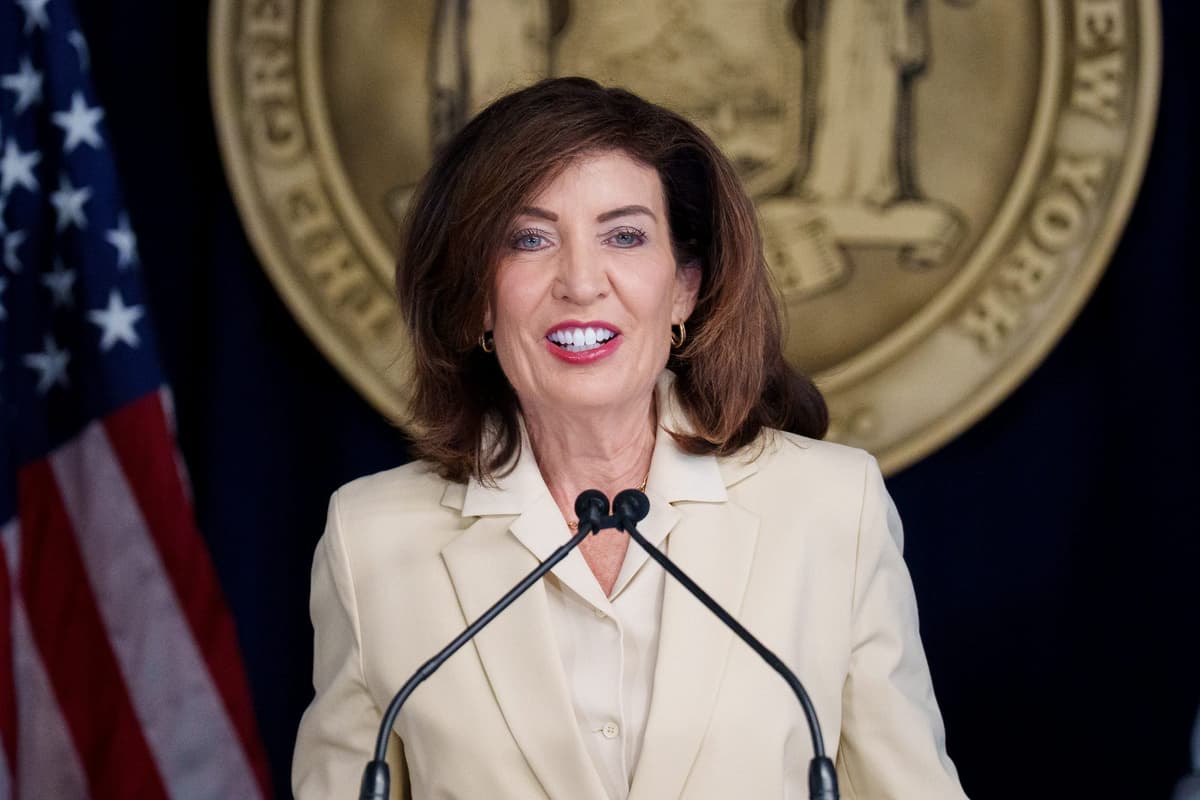
New York has become the first U.S. state to halt construction of large-scale artificial intelligence data centers, with Governor Kathy Hochul announcing a temporary moratorium aimed at protecting the state's energy infrastructure and ratepayers.
The Democratic governor plans to sign an executive order establishing the ban, which specifically targets "hyperscale" AI data centers—the massive facilities required to train and run large language models and other computationally intensive AI systems.
Energy and Infrastructure Concerns
Hochul framed the decision as a necessary pause to address mounting pressure on New York's resources. "The scale and speed of this development has put unprecedented demand on energy and water resources and threatens to drive up utility costs," she said in a video announcement.
The moratorium will provide time for the state to develop what Hochul called "the nation's strongest protections" for ratepayers, communities, and the electrical grid. The governor emphasized that New York remains open to AI investment, but not at the expense of existing infrastructure and residents.
Why It Matters
The moratorium represents the first state-level regulatory response to the infrastructure challenges created by the AI boom. As tech companies pour billions into data center construction nationwide, other states facing similar energy and water constraints may follow New York's lead. The move could force AI companies to reconsider expansion strategies and invest more heavily in grid upgrades and renewable energy sources as conditions for future development.
National Data Center Buildout
The announcement comes amid an aggressive expansion of data center capacity across the United States. Technology giants including Microsoft, Google, Amazon, and Meta are racing to secure computing resources needed for AI development, leading to a construction surge that has strained local utilities and sparked community opposition in multiple states.
Critics of the rapid buildout have raised concerns about energy consumption, water usage for cooling systems, and the burden placed on electrical grids not designed to handle such concentrated industrial loads. Some communities have reported fears of rising electricity rates as utilities upgrade infrastructure to serve these facilities.
Balancing Growth and Protection
Hochul stressed that the moratorium is not intended to block AI development in New York permanently. "When you benefit from the talent and energy of New York, we expect you to protect our resources and give back to our communities," she said. "This is a critical moment, and New York is going to take the time to get it right."
The executive order's specific provisions, including the moratorium's duration and criteria for lifting the ban, were not detailed in the announcement. The governor's office has not specified what standards hyperscale data centers will need to meet once the temporary halt is lifted.
These details were first reported by Business Insider.
This is an original analysis by the Omega editorial team. Source reporting: AI Watch.
Want systems like this working for your business?
Book a Call
