HHS Deploys AI to Flag Hospital Compliance Across Five Years
New federal enforcement program uses ChatGPT-powered tools to scan audit records without published validation framework.
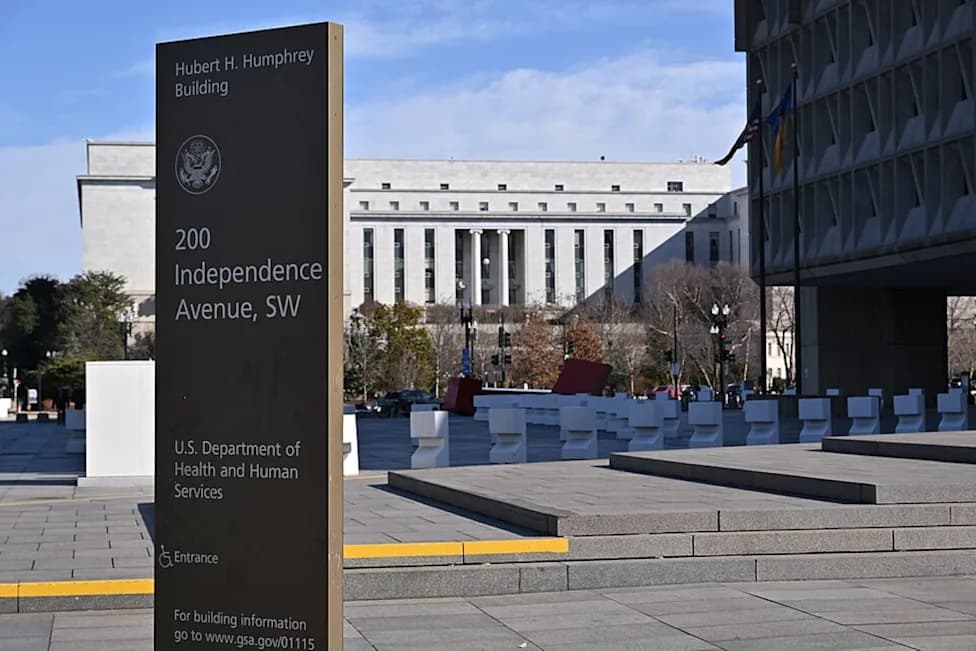
Federal Health Agency Launches AI-Driven Audit Enforcement
The Department of Health and Human Services announced on May 21, 2026, a sweeping enforcement initiative that uses artificial intelligence to identify compliance failures across entities receiving federal health funding. The Audit Enforcement and Resolution Operation, known as AERO, reportedly incorporates ChatGPT and other AI tools to scan five years of Single Audit records across all 50 states.
Any organization spending $1 million or more annually in federal funds falls within scope. That encompasses hospitals receiving Medicaid reimbursements, state Medicaid agencies, nonprofits delivering federally funded health services, public universities with research grants, and local governments administering federal block grants.
According to HHS officials cited in the announcement, the program targets repeat deficiencies, material weaknesses, unresolved internal control failures, and delinquent audit filings that have languished unaddressed. Early reviews reportedly surfaced deficiencies sitting unresolved for five years or longer, along with grantees missing required submissions entirely.
Why it matters
AERO represents a fundamental shift in how federal agencies enforce compliance at scale. The consequences are concrete: withheld Medicaid payments, disallowed costs, suspended awards, and debarment proceedings that can exclude an entity from all federal programs. Yet the program launched without a public solicitation process, notice-and-comment period, or published validation study demonstrating the AI system's accuracy. For hospitals operating on thin margins and nonprofits dependent on federal funding, an algorithmically generated flag carries immediate financial risk—with no transparency into how the system handles ambiguous records or previously corrected deficiencies.
Technical and Legal Questions Remain Unanswered
The enforcement mechanism raises procedural concerns. Legal practitioners have questioned whether AI-generated findings satisfy Administrative Procedure Act requirements for a reasoned agency basis when fed directly into enforcement actions. Large language models produce confident outputs even when source records are incomplete or ambiguous—a technical limitation with serious implications when the output determines whether a hospital's operating budget gets frozen.
HHS maintains internal AI governance standards calling for bias testing, human oversight, transparency, and pre-clearance before deploying systems that affect rights. Whether AERO underwent such assessment before launch remains unclear based on available information. The department has not published an error rate or validation framework for the system.
Supporters argue the tool legitimately surfaces long-ignored compliance failures at scale. Critics draw parallels to automated platform content moderation: opaque, prone to false positives, and difficult to appeal.
Immediate Implications for Compliance Teams
Organizations receiving federal health funds should pull their last five years of Single Audit submissions immediately. Every flagged deficiency requires documented correction on file—not just in internal records, but confirmed in the federal audit database where AERO conducts its scans. The program's architecture could serve as a template for similar enforcement initiatives across other federal agencies.
These details were first reported by AI Watch and announced in an HHS press release dated May 21, 2026.
This is an original analysis by the Omega editorial team. Source reporting: AI Watch.
Want systems like this working for your business?
Book a Call
