New Orleans Deploys AI to Screen 911 Emergency Calls
The city is testing automated triage tools to reduce bottlenecks and handle duplicate reports, joining a growing number of municipalities adopting AI for emergency services.
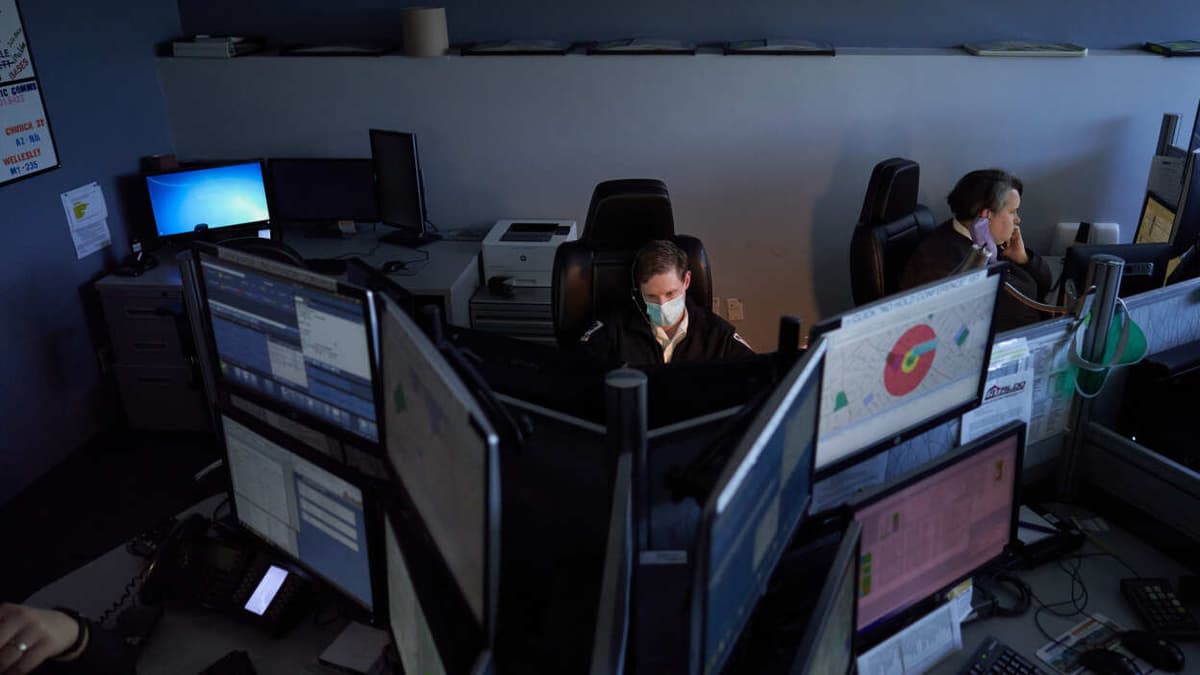
New Orleans Tests AI Emergency Call Screening
New Orleans has confirmed it is deploying artificial intelligence to screen and triage incoming 911 calls, making it one of several U.S. cities integrating AI into emergency response operations. The Orleans Parish Communication District, which oversees emergency services for the city's 300,000-plus residents, is using the technology to reduce call volume and prevent system bottlenecks.
The AI Emergency Call Triage tool, developed by emergency services company Carbyne, is designed to handle duplicate reports — such as multiple calls about the same traffic accident — that would otherwise tie up human operators. According to the Shreveport Times, the system has been involved in triaging traffic-related emergency calls since at least 2023 and is still undergoing real-world testing by operators. The city also introduced a separate AI tool for its 311 non-emergency line in April.
Why it matters
Emergency call centers nationwide face chronic staffing shortages and overwhelming call volumes. AI triage systems represent a significant shift in how public safety agencies manage resources, but they also raise critical questions about data privacy, algorithmic bias, and transparency. As more cities adopt these tools without explicit public notice, the balance between operational efficiency and accountability becomes increasingly important for residents who depend on emergency services.
Broader Adoption Across Cities
New Orleans is part of a growing trend. Seattle Fire Department has been using an AI triage tool from Denmark-based company Corti for nearly two years, according to June reporting from the Seattle Times. That system monitors live medical calls and advises operators on dispatch decisions. Boston Emergency Medical Services has also deployed Corti's technology.
Carbyne itself has established partnerships with public safety agencies across the country, including a recent agreement with Washington, D.C. to modernize 911 call handling systems.
In 2024, the National Telecommunications and Information Administration published a fact sheet examining AI implementation in emergency services, drawing on testimony from early adopters including the Orleans Parish Communication District. The agency concluded AI could assist with "automating initial detection and triage, streamlining call flow," and reducing operator workload. The NTIA identified translation services, triage, automatic callbacks, and geofencing as the most promising applications.
Privacy and Transparency Concerns
Critics have raised persistent concerns about these AI deployments. Key issues include caller data privacy, the potential for algorithmic bias when interacting with diverse populations, and the inherent limitations of AI-generated voice tools in high-stakes emergency situations.
A recurring complaint centers on transparency: many cities have integrated AI into public-facing emergency lines without explicit notice to residents, leaving callers unaware they may be interacting with automated systems during critical moments.
These details were first reported by Mashable.
This is an original analysis by the Omega editorial team. Source reporting: AI Watch.
Want systems like this working for your business?
Book a Call