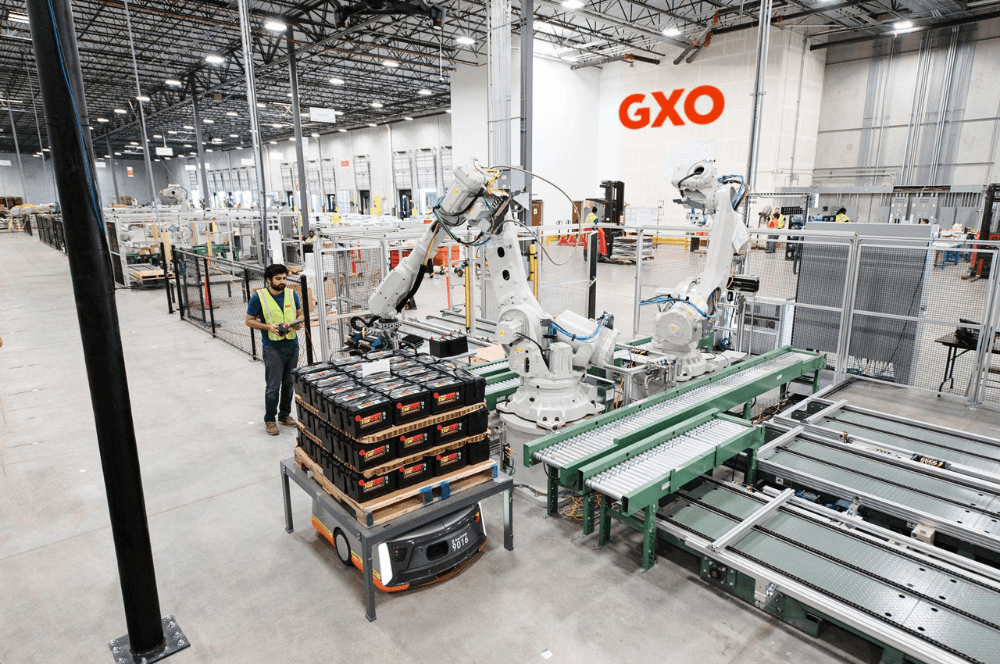
New Orleans Deploys AI to Answer 911 Emergency Calls
The Orleans Parish Communication District routes emergency calls through an AI triage system that decides which reach human dispatchers, sparking safety concerns.
New Orleans has become the first major U.S. city to deploy artificial intelligence for answering emergency 911 calls, a move that has ignited debate about the technology's readiness for life-or-death situations.
The Orleans Parish Communication District, which handles more than a thousand emergency calls daily, implemented an AI Emergency Call Triage system in late July. The technology analyzes incoming calls to determine which emergencies require immediate human dispatcher attention and which can be managed by the bot itself, according to reporting by the Shreveport Times.
How the system works
The AI triage tool was tested on the city's non-emergency 311 hotline before being deployed for 911 calls. According to OPCD Executive Director Karl Fasold, the system primarily activates when callers are within approximately 200 meters of an already-reported incident and when all human call-takers are occupied. The goal is to filter repeat calls and lower-priority situations to prevent dispatcher overload.
Fasold emphasized that the AI is not replacing human dispatchers but rather serving as a supplementary layer during high-volume periods.
Why it matters
This deployment represents a significant test case for AI in emergency services, where mistakes can prove fatal. The technology's performance under real-world conditions—handling panicked callers, diverse accents, and coded distress signals—will likely influence whether other cities follow suit or pull back from similar implementations.
Safety concerns from first responders
Critics, including experienced emergency personnel, have raised serious objections. One critic identifying as a former 911 dispatcher with 11 years of experience called it "the worst idea you could possibly think of."
The concerns center on AI's inability to interpret nuance. Emergency calls often involve people who cannot speak clearly due to injury, strong accents, or dangerous situations where callers use coded language—such as pretending to order pizza during a domestic violence incident. Human dispatchers are trained to detect these subtle cues that current AI systems may miss.
Technical vulnerabilities
Research highlights significant accuracy and security issues with AI voice systems. A February study by Newsguard found that conversational AI models fabricated false information nearly half the time while delivering it in convincing audio.
Security researchers from China's Zhejiang University demonstrated that voice AI systems are vulnerable to manipulation, successfully altering their behavior with success rates between 79% and 96% in tests presented at the IEEE Symposium on Security and Privacy in May.
Broader adoption patterns
While New Orleans appears to be the first major city allowing AI to directly answer emergency calls, other municipalities have integrated the technology in more limited roles. Atlanta uses AI to help human dispatchers locate callers more quickly. Seattle deployed similar technology in 2024 to assist with response prioritization, though an investigation by the Seattle Times revealed the system operated for over two years without public disclosure.
New Orleans officials maintain that with proper human oversight, comprehensive training data, robust cybersecurity measures, and algorithm regulation, the AI system can function effectively.
These details were first reported by the Shreveport Times and the New York Post.
This is an original analysis by the Omega editorial team. Source reporting: AI Watch.
Want systems like this working for your business?
Book a Call