Neuron Industries Launches Python-Based Industrial Controller
Y Combinator startup targets aging PLC infrastructure with AI-assisted development tools as control engineering talent pool shrinks.

Industrial automation faces a talent crisis
Neuron Industries emerged from Y Combinator's summer 2026 batch with a fundamental bet: the industrial control systems running factories, power plants, and automated machinery are technologically frozen in the 1990s, and the engineers who program them are retiring faster than replacements can be trained.
The El Segundo-based startup announced its public launch on August 24, introducing the Cortex AIC (AI Industrial Controller), a device that lets engineers program factory automation in Python rather than the legacy languages that still dominate the field. The company is currently running paid customer pilots, with general availability planned for Q4 2026, according to details first reported by Markets Insider.
The PLC problem
Programmable logic controllers (PLCs) are the rugged computers that orchestrate automated machinery across industries. They're extraordinarily reliable, but they carry roughly 1,000 times less compute power and memory than a modern smartphone. More critically, they're programmed in languages designed to mimic electrical relay panels—a metaphor that made sense decades ago but has become a bottleneck as control problems grow more complex.
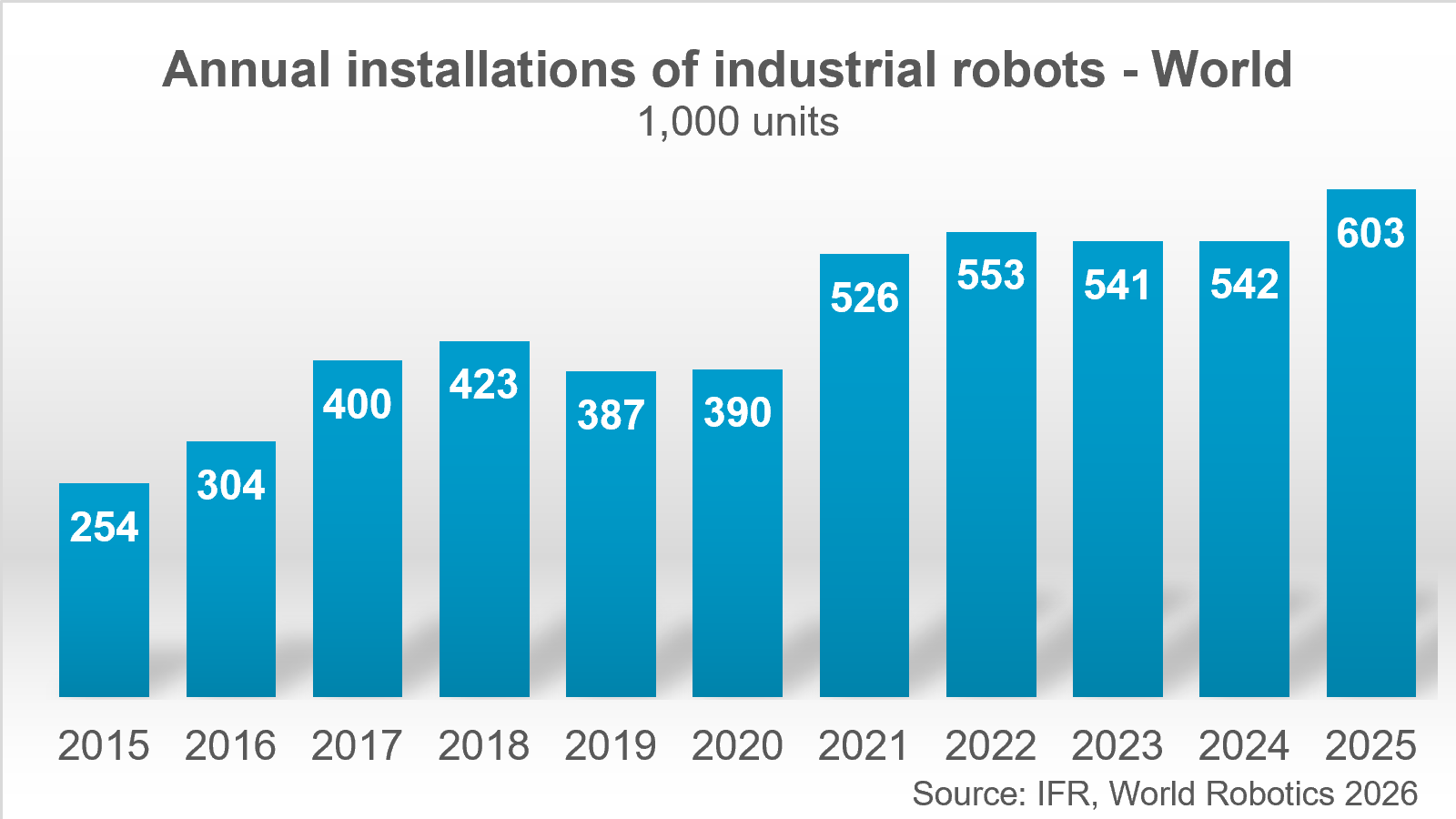
The timing creates friction. Reindustrialization efforts and data center construction are driving demand for industrial capacity upward while the pool of qualified control engineers contracts. Training existing staff takes considerable time to yield working competence.
Python meets the factory floor
Neuron's answer consolidates what typically requires multiple vendor solutions onto a single device. The Cortex AIC runs Python code in real time, hosts its own development environment and operator interface, and handles process-data logging locally. Engineers can describe processes in plain English; Neuron's AI agent generates logic that can be validated against simulations and digital twins before deployment to physical equipment. The system can operate air-gapped where security requirements demand it.
Co-founder and CEO Dennis Ren previously built control systems from chip level at Freeform after off-the-shelf controllers couldn't meet performance demands for autonomous metal 3D printing. His background includes stints on Apple's Vision Pro hardware team, Amazon Go, and Tesla's Fremont factory. Co-founder and CTO Kenneth Rhee spent a decade on mission-critical infrastructure software at Amazon's Elastic Block Store and later built enterprise resource planning systems for industrial clients through his consultancy WorkIPO.
Why it matters
The industrial control layer sits beneath nearly every physical process in modern manufacturing, energy, and logistics—yet it has absorbed almost none of the tooling advances that transformed software development over the past three decades. Version control, automated testing, and rapid iteration are standard practice in software but remain rare in controls engineering. If Neuron can successfully lower the barrier to entry, it could accelerate automation adoption among manufacturers who currently lack access to specialized PLC talent, particularly as reshoring efforts create new demand for domestic production capacity.
The announcement and product details were first reported by Markets Insider.
This is an original analysis by the Omega editorial team. Source reporting: Automation Watch.
Want systems like this working for your business?
Book a Call