Automation
Napster Pivots to Agentic AI, Building Sales Teams That Coach
The music-sharing pioneer's new identity centers on persistent AI coworkers that learn company-specific workflows and stay inside the enterprise.
Key takeaways
- Napster relaunched as an agentic AI company after Infinite Reality acquired it and Touchcast, adopting the most recognizable brand name.
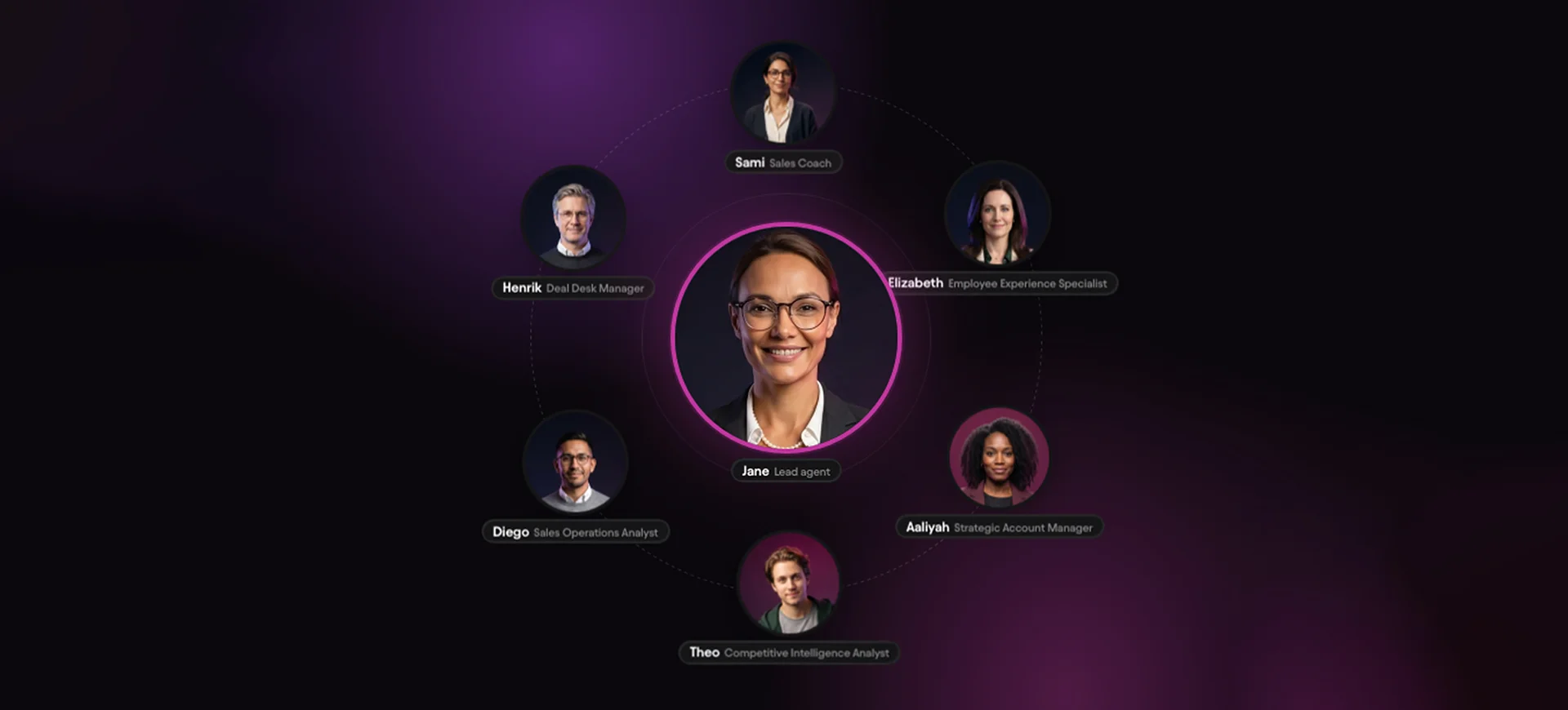
- The company's seven-agent sales team includes persistent coworkers with names and memories that learn company-specific procedures rather than generic workflows.
- A "large persona model" memory layer retains institutional knowledge as proprietary IP instead of feeding learning back into shared models used by competitors.
- Sami, a coaching agent, currently role-plays sales calls with AI-generated prospects and will soon provide real-time guidance during live customer conversations.
- Napster Pulse uses AI-led employee interviews to surface roadblocks and sentiment at scale, starting as an internal tool before public beta launch.
Napster's Unlikely Transformation
Napster—the file-sharing service that upended the music industry in the late 1990s—has reemerged as an enterprise AI company focused on agentic systems. After Infinite Reality acquired both Napster and agentic AI pioneer Touchcast last year, the combined entity adopted the most recognizable brand name and set out to build something fundamentally different from the wave of disposable coding agents flooding the market.
The company is launching a seven-agent sales team this fall designed to function as persistent coworkers rather than one-off tools. These agents have names, faces, and memories that accumulate over time within the organizations that deploy them. The initial roster includes Jane, a chief of staff who prioritizes inbox and calendar items each morning; Aaliyah, who compiles prospect research; and Diego, who maintains CRM hygiene. A seventh agent, Sami, coaches sales reps through simulated calls with AI-generated prospects built from public LinkedIn data, scoring performance and offering real-time feedback.
Why It Matters
As enterprises grapple with security and governance challenges from employees spinning up hundreds of unmonitored AI agents, Napster's approach represents a bet on standardization and institutional memory. Rather than generic assistants that improve for everyone equally, these agents learn company-specific procedures and retain that knowledge as proprietary IP. The shift from disposable tools to persistent coworkers could reshape how organizations think about AI deployment—and whether agents complement human work or simply replace it.
Learning Company Quirks, Not Just Tasks
What distinguishes Napster's agents is what the company calls a "large persona model"—a secure memory layer that sits atop standard large language models. Each agent starts with baseline operating procedures that customers can modify to match their policies. An agent might learn to draft exception requests for nonstandard payment terms rather than simply rejecting them, for instance.
This knowledge stays within the enterprise rather than feeding back into shared models used by competitors. "Your differentiation just disappears" when everyone uses the same generic tools, says Ziv Navoth, Napster's chief product officer. The agents draw from a "company brain" that aggregates scattered institutional knowledge from Google Drive, SharePoint, and other repositories that typically sit outside formal systems.
The platform also includes Napster Pulse, which conducts AI-led interviews with employees to surface roadblocks and sentiment that surveys miss. The tool began internally when Napster's CTO wanted weekly input from every engineer without creating unsustainable meeting overhead. It will launch in public beta alongside the enterprise product.
From Rehearsal to Real-Time Coaching
Sami currently coaches only in practice sessions, where she generates prospect personas and scores rep performance—one simulated prospect dismissed a pitch as "pretty modest" and pushed for harder numbers. Soon, Navoth says, Sami will provide guidance during live calls, adjusting strategy while there's still time to influence the outcome.
The company aims to give every employee a dedicated agent crew by the end of next year, regardless of role. Average sales reps spend less than half their time actually selling, with the rest consumed by coordination and administrative work. If agents can reclaim a meaningful portion of those hours, Napster argues, they justify their cost through increased selling time rather than headcount reduction.
These details were first reported by Fast Company.