Musicians Union Sues Universal, Warner Over AI Licensing Deals
AFM alleges major labels failed to compensate session musicians for recordings licensed to Suno and Udio under collective bargaining terms.
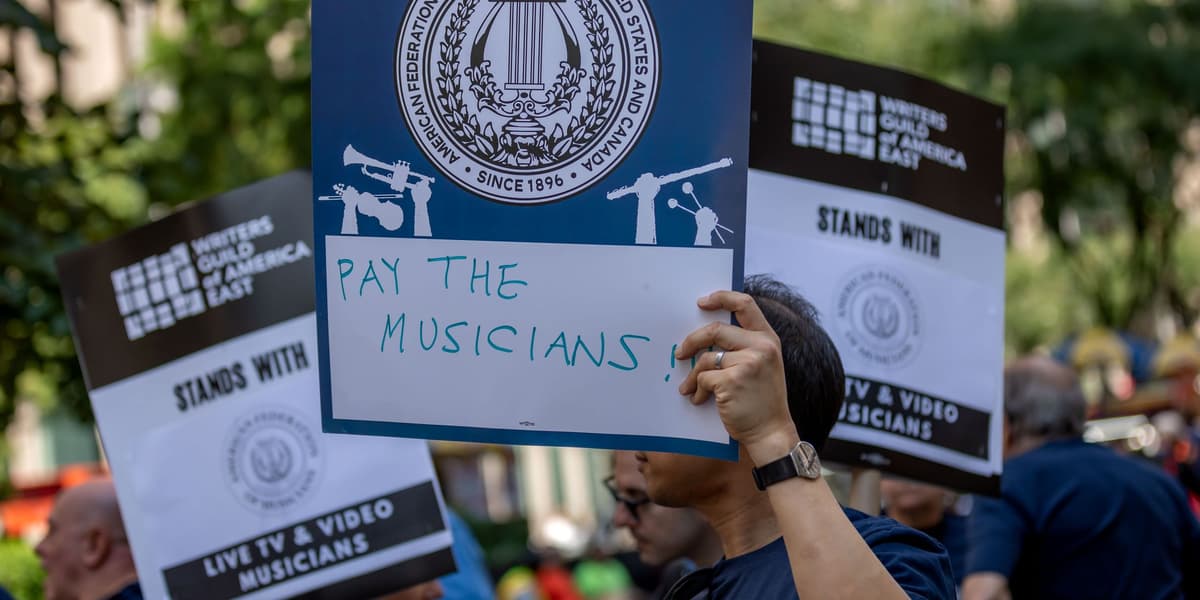
The American Federation of Musicians has filed a lawsuit against Universal Music Group and Warner Music Group, alleging the major labels violated their collective bargaining agreement by licensing recordings to AI music companies without compensating union members.
The lawsuit, filed June 5, centers on recent licensing deals the labels struck with Suno and Udio, two prominent AI music generation platforms. According to the union, these agreements constitute "new uses" of recordings that require compensation for session musicians under existing labor contracts, but the labels have not shared proceeds or provided information about which recordings were licensed.
The dispute over AI licensing terms
The legal action follows a complex series of events that began in 2024. Universal, Warner, and Sony Music Entertainment initially sued Suno and Udio, claiming the AI companies illegally trained their models on millions of copyrighted recordings without permission. By fall 2025, however, Universal and Warner reversed course and reached settlements with both AI firms.
Those deals allowed the AI companies to train new models on licensed catalog material. The labels publicly stated that artists and songwriters would be compensated if they opted into AI licensing arrangements and would retain control over how their music and likeness are used.
But the AFM argues that session musicians—the instrumentalists who perform on recordings but may not be credited artists—have been excluded from this framework entirely. The union's complaint states that while the labels "protected their own interests and created a significant source of new revenue," they refused to compensate musicians "whose work—created with their own instruments and through their talent, creativity, and hard work—is fed into AI machines for profit."
Why it matters
This lawsuit exposes a critical gap in how AI licensing revenue flows through the music industry. While headline artists may negotiate AI opt-ins directly, session musicians typically work under union contracts that govern compensation for various uses of their performances. If labels can license catalog recordings to AI companies without triggering these contractual obligations, it could set a precedent that excludes a large class of professional musicians from participating in AI-related revenue—even when their performances are central to training the technology.
Label responses and ongoing negotiations
Both labels have indicated they prefer to resolve the matter through existing negotiation channels rather than litigation. A Universal spokesperson told Billboard the company maintains a "strong working relationship with the AFM built on mutual respect" and expects to "resolve any issues through negotiations." Warner described the lawsuit as an "unproductive action amid our ongoing negotiations" but said it looked forward to continuing discussions.
The case highlights tensions over how legacy recording contracts apply to emerging AI applications, particularly for musicians who contributed to recordings decades before generative AI existed. Details were first reported by Pitchfork.
This is an original analysis by the Omega editorial team. Source reporting: AI Watch.
Want systems like this working for your business?
Book a Call
