Gen Z's AI Skepticism Demands Policy Action, Not PR Pivots
Despite high adoption rates, younger workers express mounting concerns over job security, cognitive costs, and environmental impact that voluntary corporate gestures won't resolve.
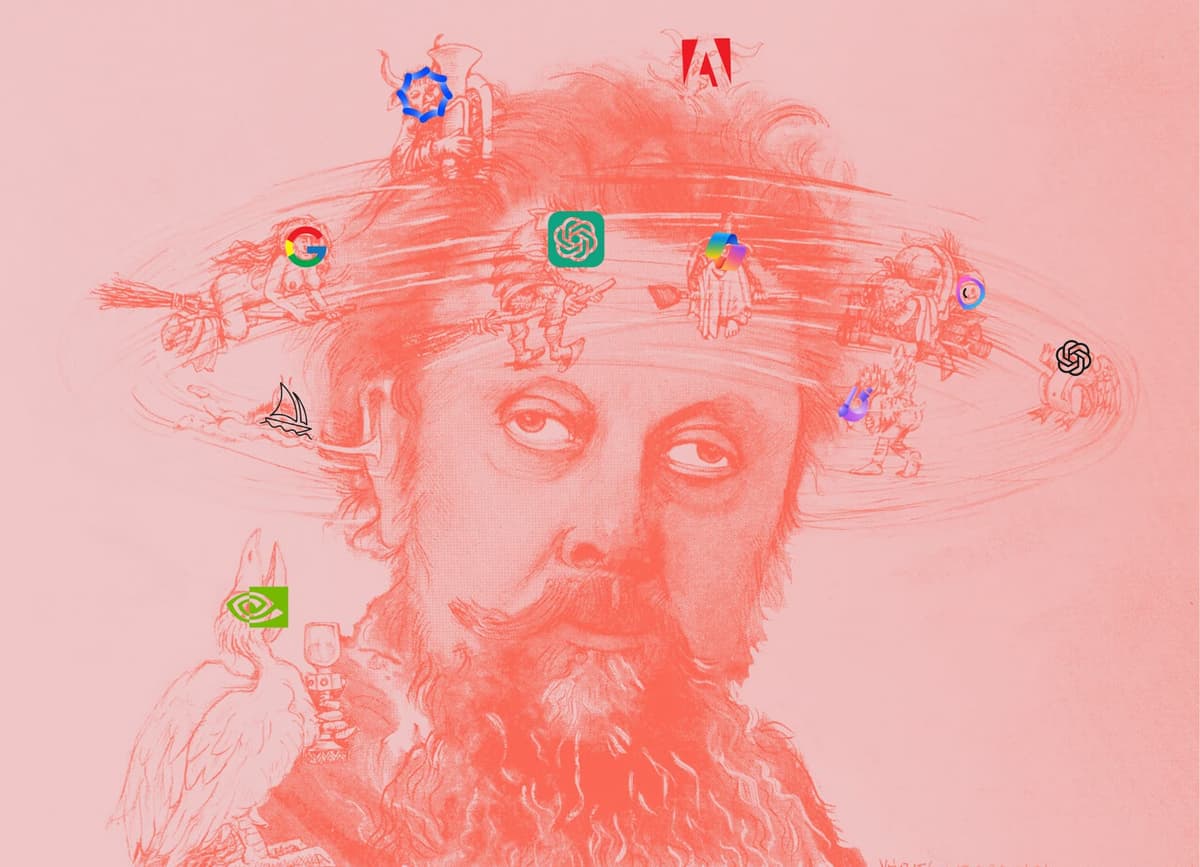
Gen Z Boos AI at Graduation—and the Data Backs Their Concerns
When college graduates booed commencement speakers praising artificial intelligence this spring, they weren't just being contrarian. Real estate executives at the University of Central Florida, record-label CEOs at Middle Tennessee State, and former Google CEO Eric Schmidt at the University of Arizona all faced jeers when championing AI's transformative potential.
These public rejections reflect a documented shift: Gen Z—those born between 1997 and 2012—has become the most AI-exposed and most AI-skeptical demographic in America. According to research detailed by the Brookings Institution, roughly half of Gen Z respondents use generative AI at least weekly, yet their trust in the technology is eroding faster than any other age group.
Why it matters
Gen Z represents the workforce and consumer base that will define AI's long-term adoption trajectory. Their early skepticism signals that voluntary corporate messaging adjustments won't address fundamental concerns about labor displacement, cognitive costs, environmental impact, and social connection. Policy interventions—not public relations pivots—will determine whether this generation views AI as beneficial or extractive.
Four Areas Where Trust Is Breaking Down
Pew Research found that 62% of adults under 30 have heard extensively about AI—the highest awareness of any age group. Yet only 14% expect AI's societal effects to be positive, and 61% believe it will worsen creative thinking capacity.
Cognitive offloading tops the concern list. A 2025 MIT Media Lab pre-print study found participants who wrote essays with large language models showed weaker neural connectivity and struggled to recall their own work. Separate research from Microsoft and Carnegie Mellon University documented that higher AI confidence correlates with reduced critical thinking. Among Gen Z workers surveyed, 46% reported AI is making them "dumber."
Job displacement anxiety runs high despite limited evidence of mass layoffs to date. Nearly half (48%) of employed Gen Z workers say AI risks outweigh workforce benefits—up from 37% the previous year. Just 3% trust fully AI-generated work, while 69% prefer human-only output.
Human relationships face perceived threats as 72% of U.S. teens have tried AI companions and 52% use them regularly, according to Common Sense Media. One-third reported sharing serious matters with AI instead of people. Some Gen Zers now describe AI use as "fake and deeply uncool" or a social "red flag."
Environmental impact concerns are acute: 54% of adults under 30 view data centers as environmentally negative, versus 37% of all adults. Communities nationwide are pushing back on data center construction, with Maine's legislature passing (though the governor vetoed) a moratorium on large facilities.
The Trust Deficit Predates AI
Gen Z's skepticism builds on a decade of declining confidence in tech firms. Brookings analysis of institutional confidence polling showed younger cohorts lost faith in major tech companies faster than any other demographic. With 64% of Americans now saying social media has had a mostly negative national impact, the same companies promoting AI face credibility gaps.
Income inequality amplifies these concerns. Only 9% of workers earning under $30,000 use AI, compared to 34% of those making $100,000-plus. Gen Z, already facing wage stagnation and historic income inequality, sees AI benefits accruing to higher earners while costs—environmental, cognitive, social—distribute broadly.
What Would Rebuild Trust
Brookings scholars argue that meaningful policy interventions could address Gen Z's core concerns: portable benefits and wage insurance for displaced workers, consent and compensation frameworks for creative labor used in training data, mandatory energy and water disclosures for data centers with ratepayer protections, and strengthened privacy and safety requirements especially for minors.
Voluntary corporate pledges to cover data center electricity costs or soften layoff rhetoric won't resolve structural distributional problems. Gen Z's early warning suggests AI's social contract remains unwritten—and policy choices, not public relations strategies, will determine whether this generation becomes AI winners or losers.
These findings were first reported by the Brookings Institution in an analysis examining generational attitudes toward AI governance.
This is an original analysis by the Omega editorial team. Source reporting: AI Watch.
Want systems like this working for your business?
Book a Call
