Moonshot AI's Kimi K3 Takes Top Coding Benchmark Spot
The Chinese startup's model is the first from China to claim number one on Arena, intensifying debate over AI pricing and openness.
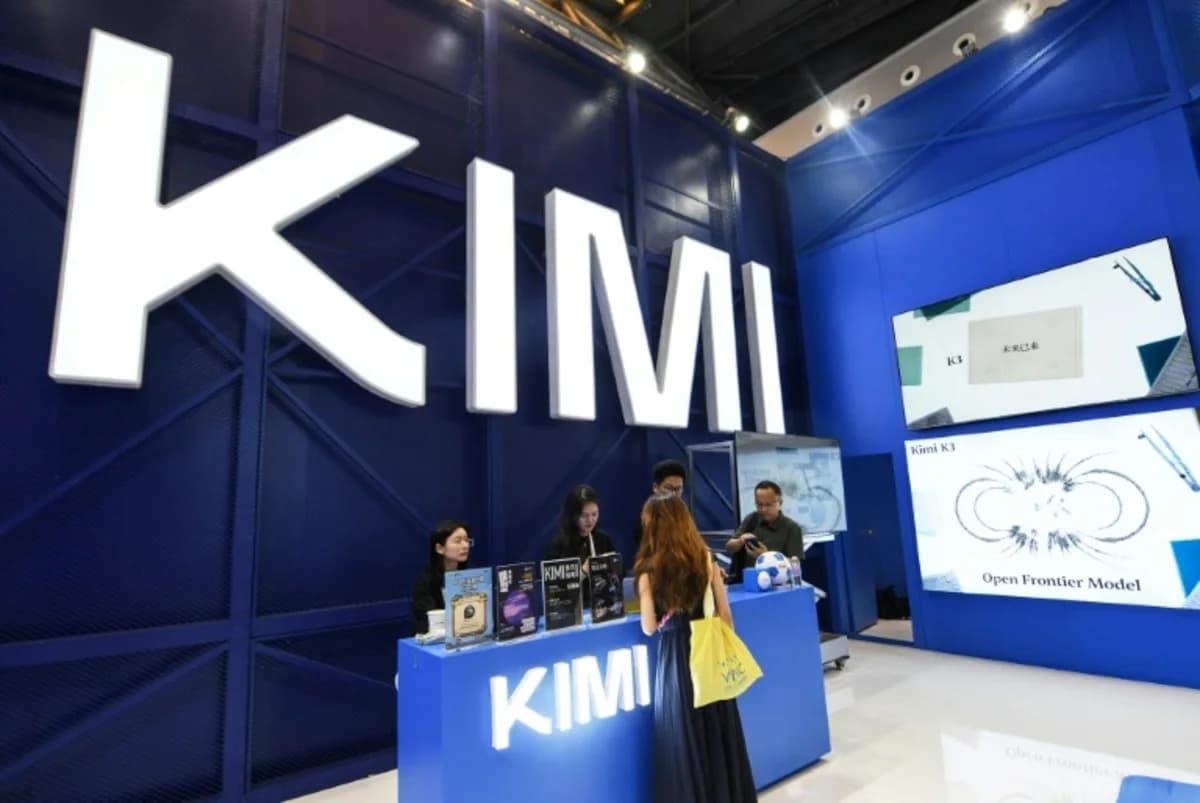
A Chinese artificial intelligence model claimed the top position on a prominent coding benchmark for the first time, according to a report by AI Watch, triggering fresh concerns in Silicon Valley about competitive pressure from lower-cost, open-source alternatives.
Moonshot AI released its Kimi K3 program on Thursday, and within hours it reached number one on Arena, a widely followed ranking of AI coding tools. The achievement represents a milestone for Chinese AI development and has prompted investors and policymakers to reassess assumptions about American technological leadership in the sector.
Why it matters
The rise of capable, lower-cost Chinese AI models challenges the business case for premium-priced American offerings from companies like OpenAI and Anthropic. If enterprises can deploy customizable open-source models on their own infrastructure rather than paying subscription fees and sharing data with external providers, the revenue projections underpinning billions in AI investment may need revision.
Pricing and openness as competitive weapons
Kimi K3 follows a pattern established by recent Chinese AI releases: lower cost and availability of source code that developers can modify. This approach mirrors the strategy that generated attention earlier in 2025 when DeepSeek released a powerful model at a fraction of typical development costs, briefly erasing hundreds of billions of dollars from US technology stock valuations.
Anastasios Angelopoulos, who operates the Arena ranking platform, told the TITV podcast that Kimi K3 could compel a fundamental reassessment of AI economics. He suggested businesses might favor free Chinese programs they can run internally over paid American services that require external data sharing, potentially triggering "a reckoning in the capital markets" regarding which business models will dominate.
Policy and competitive responses
The release has amplified ongoing debates about US technology policy. David Sacks, a venture capitalist advising the White House on AI, argued on X that regulatory constraints—including data center restrictions, state-level requirements, and proposals for federal approval of powerful models—threaten American competitiveness. "This is how you lose the AI race," he wrote.
Dean Ball, formerly an AI adviser in the White House and now at OpenAI, acknowledged Kimi K3 as a legitimately strong program rather than derivative work. He predicted the Trump administration would likely discourage adoption of Chinese AI through regulatory uncertainty rather than explicit prohibition, creating enough compliance risk that regulated companies avoid the technology.
Investor Gavin Baker characterized the development as "potentially negative for Anthropic and OpenAI while being net positive for essentially every other company in the world," suggesting the competitive pressure could benefit enterprises seeking alternatives to dominant providers.
These details were first reported by AI Watch.
This is an original analysis by the Omega editorial team. Source reporting: AI Watch.
Want systems like this working for your business?
Book a Call