Moonshot AI's Kimi K3 Rivals Top US Models at One-Third the Cost
Beijing startup's open-weight release shakes markets and accelerates timeline for Chinese AI parity with American frontier systems.
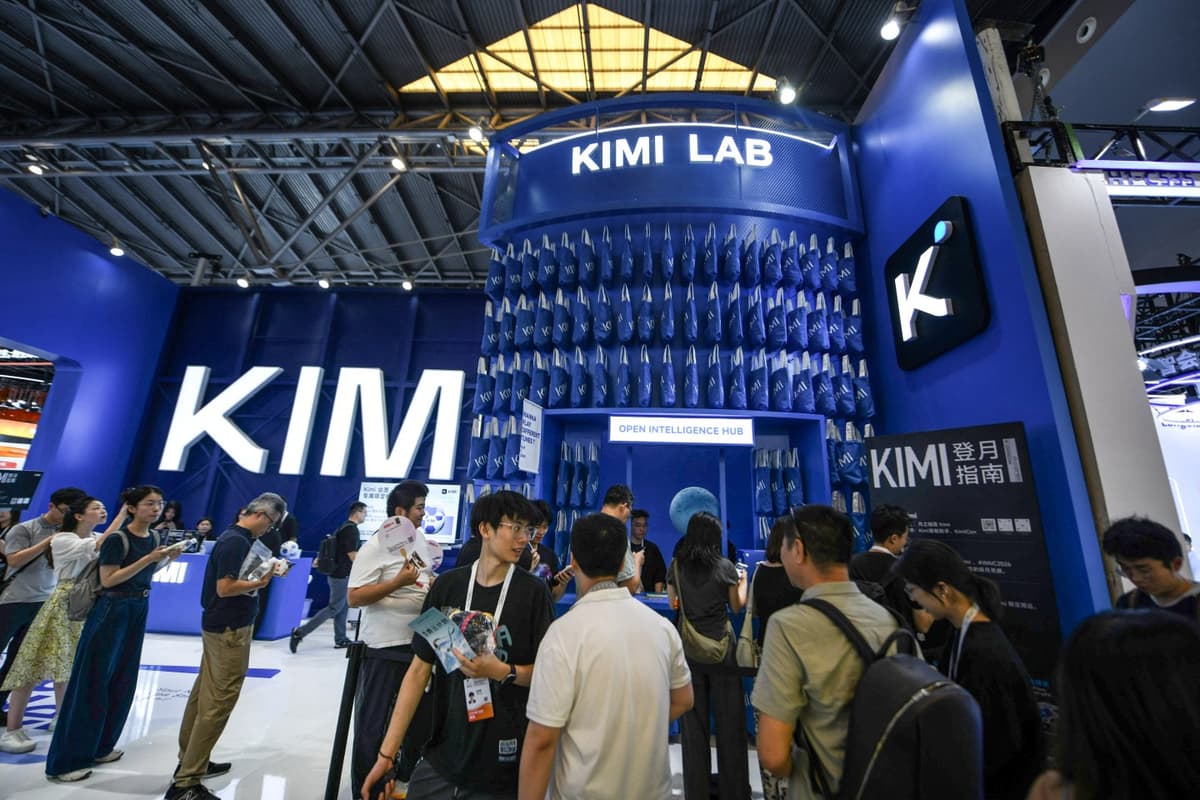
Beijing-based Moonshot AI released Kimi K3 on Thursday, delivering performance comparable to Anthropic's Fable 5—currently among the most capable publicly available AI models—while undercutting its price by more than two-thirds.
The launch sent immediate ripples through global markets. Taiwan Semiconductor Manufacturing Company dropped 7% Friday despite reporting a 77% quarterly profit increase. SoftBank fell 9%, while Chinese competitor z.ai plunged nearly 30% in Hong Kong. The Nasdaq 100 declined 1% as Nvidia briefly lost its position as the world's most valuable company to Apple.
Why it matters
K3's release compresses the expected timeline for Chinese AI labs to match American frontier capabilities by at least six months. The development challenges the prevailing assumption that U.S. firms can maintain technological leadership simply through superior capital and compute spending. For enterprise technology leaders, it signals that competitive AI performance is becoming available at dramatically lower price points, potentially reshaping procurement strategies and vendor negotiations across the industry.
Performance and pricing disruption
Moonshot's internal benchmarks position K3 competitively with Fable 5 and substantially ahead of Anthropic's Opus 4.8 and OpenAI's GPT 5.6 Sol. One independent evaluation from Arena.AI ranked K3 as the top available model, surpassing Anthropic's offerings.
The company priced K3 at $15 per million output tokens, compared to Fable 5's $50 rate. This pricing strategy reflects broader patterns in Chinese AI development, where companies prioritize market share over immediate profitability. DoorDash has already shifted certain workloads to Moonshot's earlier Kimi models, with CTO Andy Fang citing improved quality at reduced cost.
Chinese models now dominate OpenRouter's weekly usage rankings, with all five top positions held by domestic providers including Tencent, Xiaomi, DeepSeek, MiniMax, and z.ai.
The open-source advantage
K3 represents the largest open-weight model ever released, allowing users to download, run locally, and customize the system. This open-source approach eliminates research and development cost recovery from pricing calculations, according to Ameya Karnitkar of AI measurement platform Larridin. Third-party hosting providers only need to cover GPU and energy expenses.
China President Xi Jinping reinforced this commitment at the World Artificial Intelligence Conference in Shanghai on July 17, stating the country would "encourage open source, openness, cooperation, and sharing" while criticizing nations that "overstretch the concept of national security" in AI—an apparent reference to U.S. export controls.
Hardware constraints driving efficiency
Paradoxically, U.S. semiconductor export restrictions may have accelerated Chinese AI efficiency. Denied access to the most advanced processors, domestic labs developed techniques to extract greater performance from less capable hardware. Most recent Chinese models now run on locally manufactured chips from Huawei and other domestic suppliers.
"For the money [a Chinese AI company would] spend on an Nvidia chip, they can buy ten local chips," notes George Chen of the Asia Group.
Moonshot AI, founded in 2023 and backed by Alibaba, Tencent, and Meituan, previously gained Silicon Valley attention when U.S. coding assistant Cursor acknowledged running its Composer 2 agent on Kimi 2.5 in March. The company is reportedly considering a Hong Kong IPO.
These details were first reported by Fortune.
This is an original analysis by the Omega editorial team. Source reporting: AI Watch.
Want systems like this working for your business?
Book a Call