Automation
Monumental Raises $32M to Scale Autonomous Bricklaying Robots
The Amsterdam construction tech firm deploys AI-powered robots as autonomous subcontractors, charging builders for completed walls rather than selling equipment.
Key takeaways
- Monumental raised $32 million Series B led by Khosla Ventures to scale its autonomous bricklaying robot fleet beyond 150 units.
- The company operates as an autonomous subcontractor, charging builders for completed walls rather than selling robots directly.
- Monumental's robots have contributed to more than 100 homes in the Netherlands and UK, with nearly half built in the past three months.
- The company is expanding UK operations and preparing pilot projects in the US market.
- The service model removes capital expenditure and operational barriers that typically slow construction automation adoption.
Construction automation moves from pilot to production
Monumental has closed a $32 million Series B round to expand its fleet of autonomous bricklaying robots across Europe and prepare for entry into the United States. Khosla Ventures led the investment, with participation from existing backers Plural and Hummingbird, according to Tech.eu.
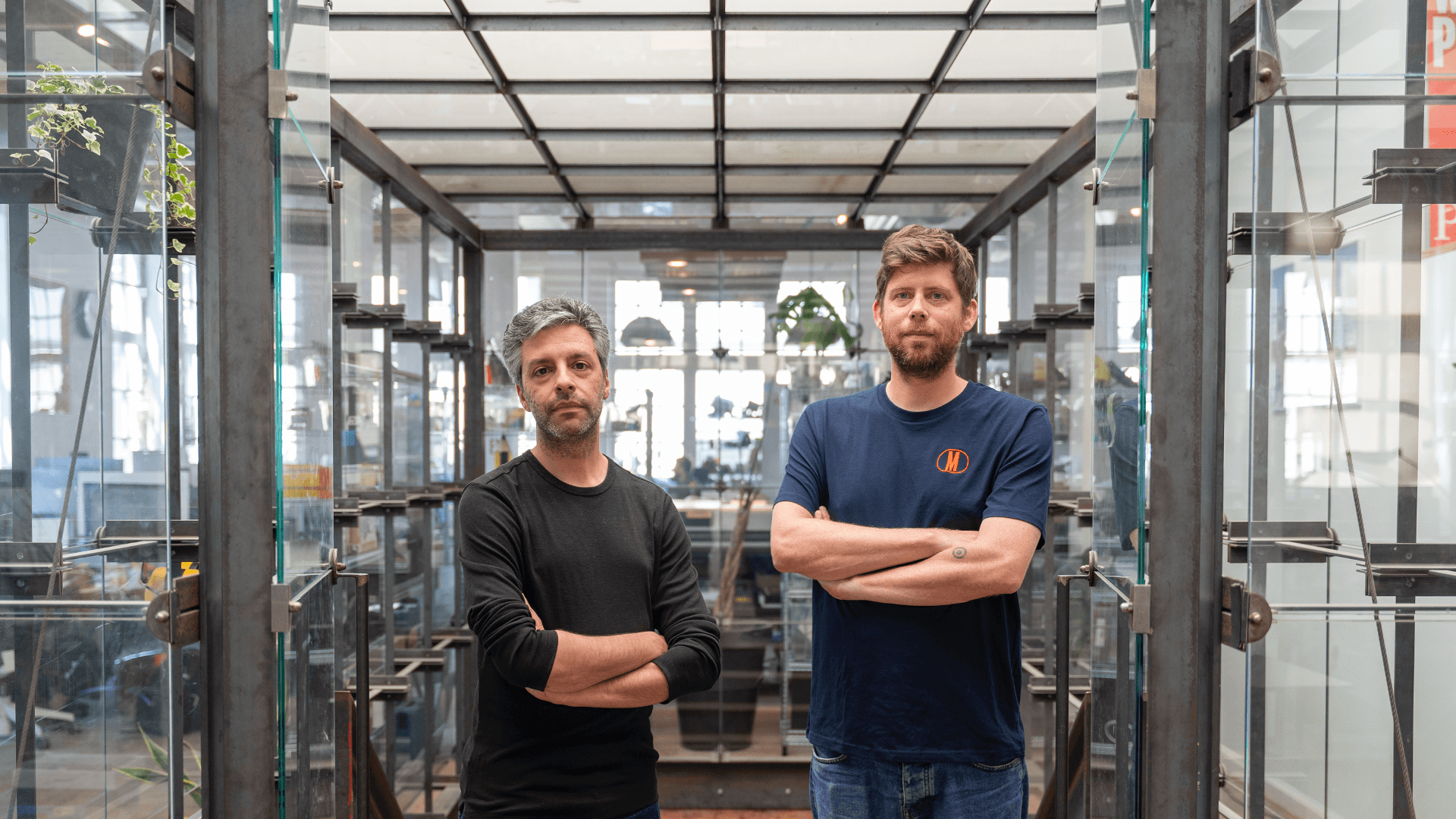
The Amsterdam-based company operates more than 150 electric robots that use computer vision, advanced sensors, and integrated cranes to lay bricks and mortar with millimeter-level precision. Co-founded by Salar al Khafaji and Sebastiaan Visser, Monumental has deployed its technology on projects including more than 100 homes, a school, a community center, a hotel, and canal walls in the Netherlands and UK. Nearly half of those residential builds occurred in the past three months, signaling accelerated adoption.
Why it matters
Monumental's business model addresses a critical barrier to construction automation: capital expenditure and operational complexity. By offering robots as a service rather than selling hardware, the company removes the need for contractors to invest in equipment, train operators, or manage maintenance. This outcome-based approach—paying for completed walls instead of robot ownership—makes automation accessible to builders facing labor shortages without requiring them to transform their business operations or balance sheets.
Service model sidesteps adoption friction
Unlike robotics companies that sell equipment, Monumental positions itself as an autonomous subcontractor. Construction firms contract with the company for specific tasks and pay for finished work. The robots arrive on site, complete the bricklaying, and leave—no new hires, no equipment loans, no operational overhead for the general contractor.
This structure directly targets the labor shortage constraining the global construction industry. "Every robot we deploy expands the industry's capacity to build, bringing a future of beautiful, affordable, bespoke buildings and infrastructure closer to reality," al Khafaji said.
The company's AI platform, Atrium, powers the autonomous systems that coordinate sensor data, navigation, and precision placement across active job sites.
Expansion into UK and US markets
Monumental has recently appointed a country manager in the UK and expanded its local team to support growing deployment in that market. The fresh capital will fund hiring of hardware and software engineers, increase the robot fleet, strengthen UK operations, and launch pilot projects in the United States.
The funding will also support expanding the range of construction tasks the robots can perform beyond standard bricklaying, though specific capabilities were not detailed.
These details were first reported by Tech.eu.