Minnesota Attorney Suspended for AI-Generated Fake Case Citations
Faisal Ahmed cited nonexistent lawsuits in court filings, drawing a 30-day license suspension and highlighting growing judicial concerns over AI hallucinations.
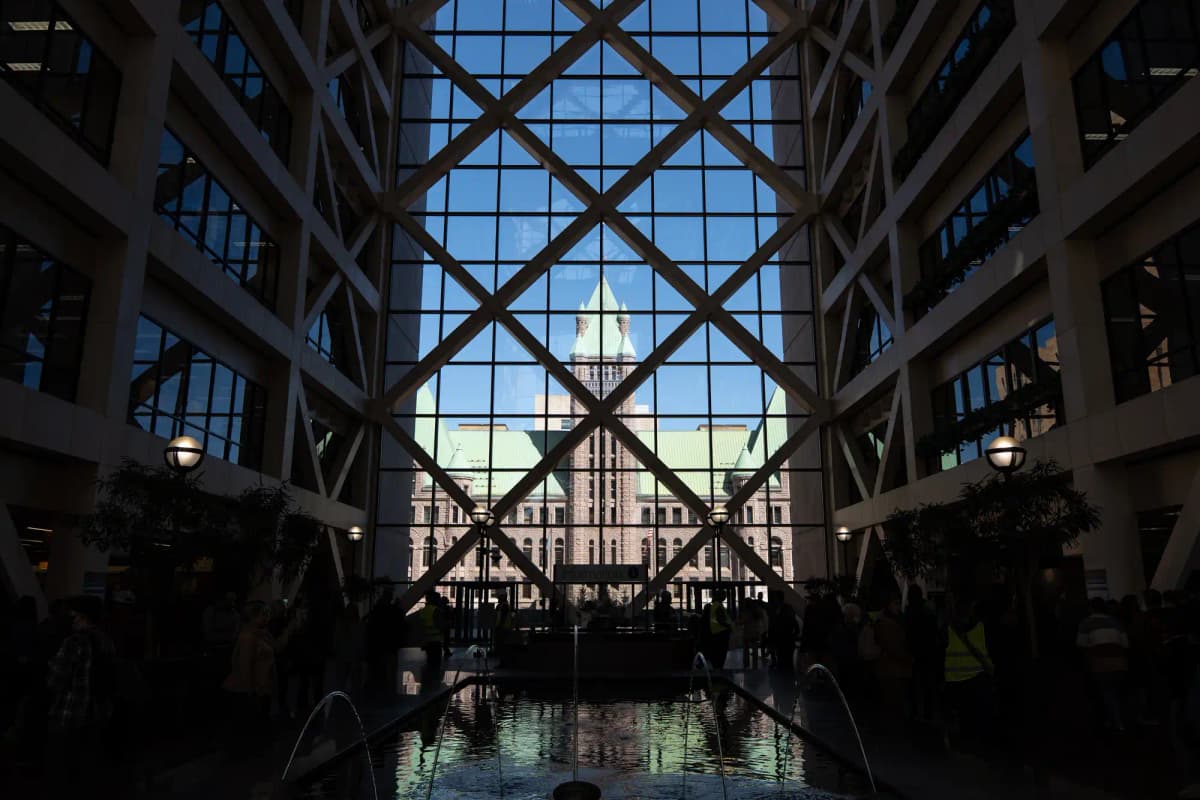
Minnesota lawyer suspended after citing AI-fabricated cases
A Minnesota attorney has agreed to a 30-day suspension of his law license after submitting court filings that cited entirely fictitious legal cases generated by artificial intelligence tools.
Faisal S. Ahmed, licensed to practice in Minnesota since 2014, included references to two nonexistent cases—Anderson v. City of Biwabik and Doherty v. Alma E. Clark Memorial Home—in a 2025 legal memorandum filed in Hennepin County Court. Ahmed was representing a Robbinsdale food store owner in a landlord-tenant dispute over unpaid rent.
The fabricated citations came to light during an August 2025 hearing when opposing counsel George Warner Jr. alerted Judge Lois Conroy to probable AI hallucinations in Ahmed's brief. Warner later documented the errors in detail, identifying not only the fake cases but also a false quotation from a real case and two additional citation errors.
Why it matters
This case represents part of a documented pattern exceeding 800 instances where attorneys and even judges have submitted AI-generated fake legal citations. The growing frequency has prompted state supreme courts to issue explicit warnings about ethical obligations when using AI tools. For legal technology vendors and enterprise AI adopters, these incidents underscore the critical need for human verification layers and the limitations of treating generative AI as a research substitute rather than a starting point requiring rigorous fact-checking.
Judicial response and professional consequences
Judge Conroy ruled against Ahmed's client, ordering payment of $233,563 in back rent. She also imposed a $5,000 fine on Ahmed and referred him to the Minnesota Lawyer's Professional Responsibility Board.
In her order, Conroy acknowledged AI's potential as a legal tool but cautioned against "blind, unyielding faith" in the technology. She noted that AI should not replace "legal analysis and interpretation."
The Minnesota Office of Lawyers Professional Responsibility filed a disciplinary petition with the state Supreme Court on Friday. According to attorneys Binh Tuong and Deanna Natoli, Ahmed agreed to the 30-day suspension and will pay an additional $900 in costs. The petition stated that Ahmed's submission of false cases "caused unnecessary delay and burdened opposing counsel and the court."
Pattern of AI citation problems in Minnesota courts
This marks at least the third significant AI citation incident in Minnesota legal proceedings. In 2024, the Minnesota Supreme Court declined to review a personal injury case petition after an attorney included fictitious ChatGPT-generated citations. Chief Justice Natalie Hudson used that case to remind attorneys that ethical obligations "apply to any use of artificial intelligence tools."
Later in 2024, U.S. District Judge Laura Provinzino excluded testimony from Stanford researcher Jeff Hancock in a St. Paul federal case after Hancock submitted written testimony containing nonexistent academic paper citations generated by ChatGPT. Hancock had been retained by the Minnesota Attorney General's Office to defend a state law prohibiting election deepfakes.
The details of Ahmed's suspension were first reported by MPR News. Ahmed did not respond to requests for comment.
This is an original analysis by the Omega editorial team. Source reporting: AI Watch.
Want systems like this working for your business?
Book a Call
