Midjourney Seeks Discovery of Studios' Internal AI Use in Copyright Defense
The AI image generator argues Disney, Universal, and Warner Bros. should disclose behind-the-scenes AI practices, not just consumer-facing tools.
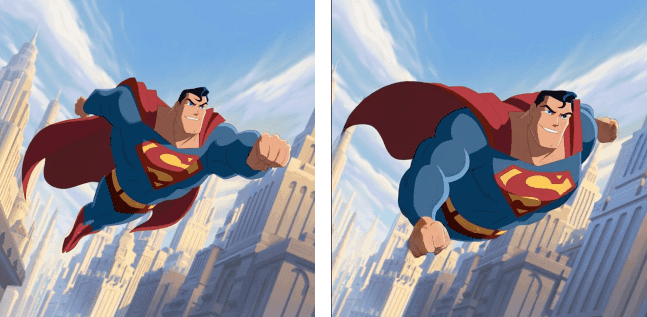
Midjourney is pushing to expand the scope of discovery in its copyright defense against three major Hollywood studios, arguing that Disney, Universal, and Warner Bros. should be required to disclose how they use artificial intelligence internally—not just in consumer-facing products.
The AI image generation company filed a motion this week asking Judge John Kronstadt to overturn a magistrate judge's June ruling that limited discovery to the studios' public AI applications. Midjourney contends that evidence of the studios' behind-the-scenes AI practices is central to its fair use defense and claims of unclean hands.
The Discovery Dispute
The three studios sued Midjourney last year, alleging the company enabled widespread infringement of their copyrighted characters through its AI image generation platform. Midjourney has mounted a fair use defense and suggested the studios engage in similar AI practices.
In June, Magistrate Judge Joel Richlin ruled that the studios only needed to provide information about consumer-facing AI applications, finding broader discovery requests irrelevant to the core infringement question. The studios had agreed to this limited disclosure but resisted turning over details about internal AI tools.
Midjourney's attorney, Bobby Ghajar, argues this restriction is too narrow. The company is seeking access to the studios' AI business plans, research reports, training datasets, model weights, and board presentations related to AI—information that would reveal how the studios use AI tools to create and market entertainment content.
"If Plaintiffs are developing image-generating AI models—trained on unlicensed, third-party copyrighted data—for internal use in storyboarding or ideating content for film or TV, that evidence would equally demonstrate that it is an industry custom, even among the studios themselves, to download and train AI on unlicensed copyrighted content," Ghajar wrote in the motion.
Why it matters
The outcome of this discovery dispute could set important precedent for how copyright law applies when both plaintiffs and defendants use similar AI technologies. If Midjourney succeeds in forcing disclosure of the studios' internal AI practices, it could expose whether major entertainment companies train models on copyrighted material without licensing—potentially undermining their legal position. The case highlights a fundamental tension in AI copyright litigation: companies suing over AI-generated content may themselves rely on similar training methods for their own competitive advantage.
Studios Push Back
The studios' lead attorney, David Singer, has characterized Midjourney's discovery requests as a "fishing expedition" designed to deflect from the company's alleged infringement. Singer emphasized that the lawsuit targets specific unauthorized copying and distribution of the studios' characters, not AI technology broadly.
"Plaintiffs simply want Midjourney to stop copying their movies and TV shows and to stop distributing, publicly displaying, publicly performing, and creating derivative works that include copies of Plaintiffs' famous characters without authorization," Singer wrote in opposing the discovery motion.
The details were first reported by Variety.
This is an original analysis by the Omega editorial team. Source reporting: AI Watch.
Want systems like this working for your business?
Book a Call
