Sainsbury's Suspends Facial Recognition After False Shoplifting Accusations
Two wrongly flagged customers in months expose tensions between retail security automation and human judgment.
Automated Alert, Human Consequence
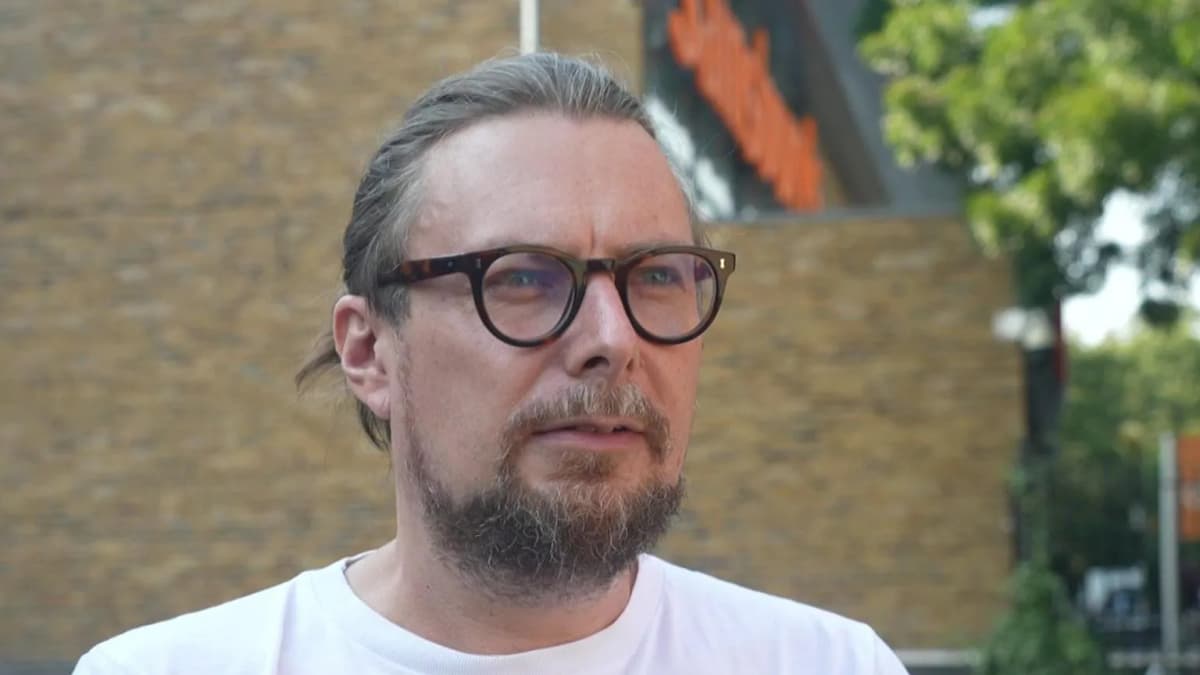
A London supermarket has halted its facial recognition system after a customer was incorrectly identified as a shoplifter and ordered to leave the store, according to BBC News.
Matt Arnold, 46, was purchasing items at Sainsbury's East Dulwich location on August 6 when management approached him at a self-checkout terminal. He had already scanned his items and used his Nectar loyalty card while waiting for staff approval on an alcohol purchase. Store managers told him he could not be served due to an incident "earlier in the week" and escorted him from the premises. As he left, Arnold observed a CCTV monitor displaying a red circle around his face.
Sainsbury's contacted Arnold the following day to apologize, attributing the incident to "human error" rather than a technology malfunction. The retailer has suspended the Facewatch-supplied system at the Dulwich store pending investigation but continues using it at other locations.
Pattern of Misidentification
This marks the second documented case at Sainsbury's within months. In September, Warren Rajah was removed from an Elephant and Castle branch after being flagged by the same Facewatch system. The security firm later confirmed Rajah was not even in its database. That incident was also blamed on human error.
Facewatch technology has been involved in similar cases at other retailers, including Home Bargains in 2024 and a Cardiff B&M store last year.
Arnold questioned the practical implications of the system's claimed 99.98% accuracy rate. "That's a lot of people when millions go into a Sainsbury's shop each week," he told BBC London. He described the experience as "a terrifying glimpse of the future" where staff feel compelled to follow automated alerts without applying independent judgment.
Technology Versus Training
Facewatch maintains its technology performed correctly in Arnold's case, stating that "a correct alert was sent to the retailer, but was subsequently subject to human error in the way it was handled in store." The company explained that suspending a store is a precautionary measure while staff receive additional training.
The firm clarified that its 99.98% accuracy figure derives from dual-algorithm checks and human analyst review, with the remaining 0.02% margin representing a boundary where additional verification filters potential errors before alerts reach store staff. Alerts remain visible on staff devices for up to an hour.
Sainsbury's defended the broader deployment, citing British Retail Consortium data showing 1,600 daily incidents of violence and abuse against retail workers nationwide, up from 455 daily in 2019-20. Initial trials across two stores produced a 46% reduction in theft and anti-social behavior incidents, with over 90% of flagged offenders not returning.
Why It Matters
This incident exposes a critical gap in retail AI deployment: the interface between algorithmic certainty and human discretion. When staff are trained to trust automated systems but lack clear protocols for verification, technology designed to reduce confrontation can instead create it. For retailers racing to deploy facial recognition amid rising theft, these cases suggest that operational training may lag behind technical capability—a pattern with implications beyond grocery stores as biometric surveillance expands across commercial spaces.
Silkie Carlo, director of civil liberties group Big Brother Watch, called for Sainsbury's to abandon the technology entirely, arguing it "treats customers like criminals" and makes serious mistakes inevitable when conducting hundreds of thousands of indiscriminate ID checks.
Arnold donated a £150 goodwill voucher from Sainsbury's to a local food bank and questioned why the system remains active at other locations if the retailer acknowledges a problem serious enough to warrant suspension at one store.
These details were first reported by BBC News.
This is an original analysis by the Omega editorial team. Source reporting: AI Watch.
Want systems like this working for your business?
Book a Call
