Microsoft Merges Copilot Apps, Cuts Failed AI Features
The company will eliminate AI podcasts, Group Chats, and its Clippy-like mascot as it consolidates consumer and business products by mid-August.
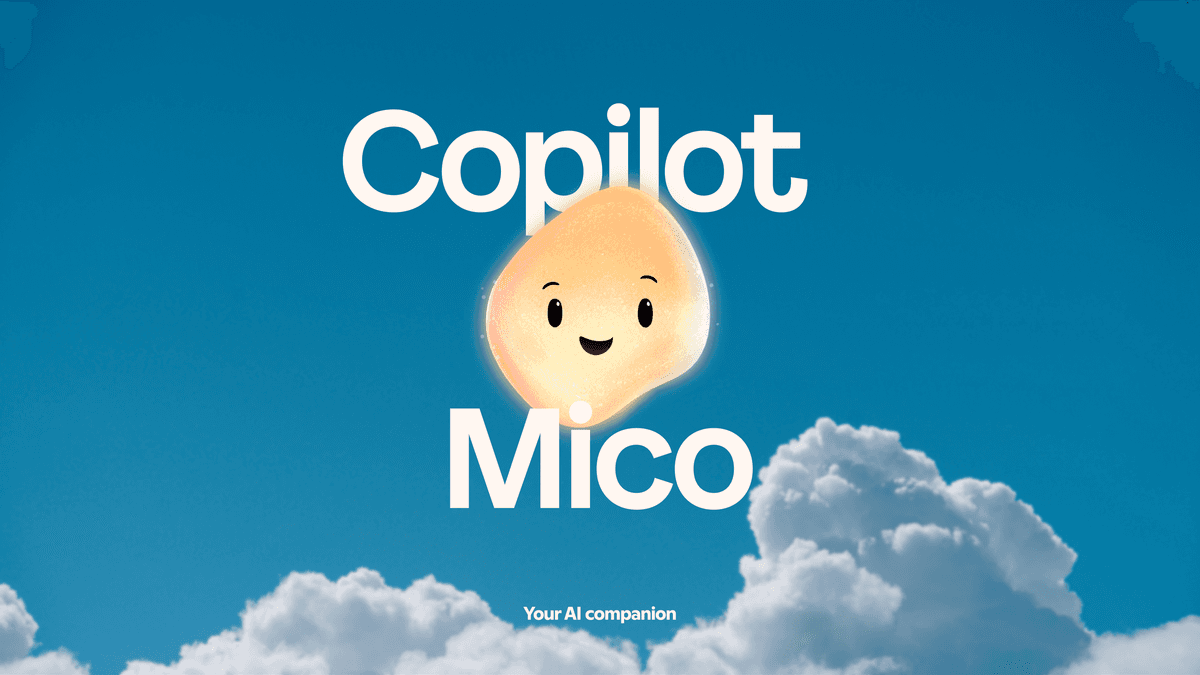
Microsoft is consolidating its fragmented Copilot product line, merging the consumer-facing Copilot app with Microsoft 365 Copilot for business users while discontinuing several AI features that failed to gain traction.
The tech giant will eliminate Group Chats, AI-generated podcasts, Copilot Labs experimental features, and Deep Research for consumers by August 18, 2026. The company's animated mascot Mico—a floating blob character reminiscent of the infamous Clippy assistant—will also disappear. Business users will retain access to a feature called Researcher as a replacement for Deep Research.
Why it matters
This retreat signals that even Microsoft, despite massive investments in OpenAI and AI infrastructure, struggled to differentiate its consumer AI offering in a crowded market. The consolidation reflects a broader industry pattern where AI companies are abandoning the multi-app strategy in favor of unified platforms that can compete more effectively with ChatGPT, Claude, and Gemini.
Acknowledging complexity and overlap
Microsoft's decision recognizes that maintaining separate consumer and professional AI applications created unnecessary friction. According to the company's support documentation, the merger aims to deliver a "simpler, more cohesive experience" by combining functionality that users were already employing across both personal and work contexts.
The move follows similar consolidations across the AI industry. Anthropic merged its Cowork feature into Claude Chat, OpenAI integrated its Operator agent into ChatGPT, and Google has been adding specialized capabilities directly to Gemini rather than launching standalone tools.
Internal pressure to justify existence
The streamlining comes amid internal scrutiny of Copilot's performance. In July, Microsoft EVP Jacob Andreou, who leads the Copilot division, told staff in an internal memo that the product needed to "earn the right to exist" in customers' lives, according to reporting by The Information. That assessment required abandoning features that weren't delivering value.
Microsoft positioned AI as a "generational shift" in technology two years ago, but the company's execution has proven more challenging than anticipated. The complexity of its prior Copilot strategy made it difficult to compete with rivals that offered more straightforward, unified experiences.
During the transition, some features may temporarily become unavailable, and Microsoft will migrate files created in the standalone Copilot app to OneDrive. The changes represent a significant course correction for a product line that Microsoft has heavily promoted as central to its AI ambitions.
These details were first reported by GeekWire and confirmed in Microsoft's support documentation.
This is an original analysis by the Omega editorial team. Source reporting: AI Watch.
Want systems like this working for your business?
Book a Call