Michigan Lawmakers Propose Data Center Moratorium Until 2027
Bipartisan bills would halt new facilities amid concerns over water use, energy demand, and tax breaks costing the state up to $90 million.
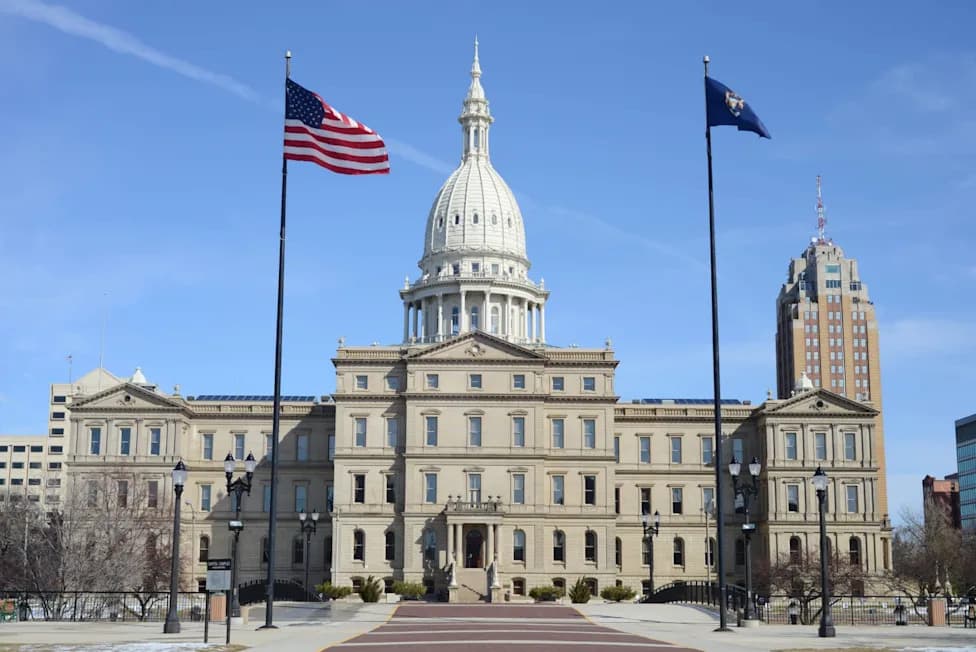
Bipartisan push to pause data center expansion
Michigan legislators are advancing bills that would freeze new data center development statewide until April 1, 2027, as communities push back against rapid facility expansion affecting farmland, residential areas, and utility infrastructure.
State Senator Jim Runestad and State Representative Jennifer Wortz led a rally at the Capitol alongside residents and local officials, announcing the moratorium legislation. Runestad introduced Senate Bills 1018–1020, while Wortz, along with Representatives Dylan Wegela and Joseph Fox, introduced companion House Bills 5594–5596.
The proposed pause would give lawmakers time to study the industry's effects and develop stricter regulatory frameworks before additional projects move forward.
Tax breaks and community concerns
The legislative effort follows Michigan's 2025 approval of new tax breaks for data center equipment, designed to attract developers to the state. The nonpartisan Senate Fiscal Agency estimates these exemptions could cost state and local governments between $52.5 million and more than $90 million—funds that would otherwise support schools, roads, and emergency services.
Wortz framed the issue as both environmental and economic: "I realize with technology there has to be a place to store our data, but I am tired of them coming after good farm ground and allowing for our tax dollars to subsidize large corporations who have more than enough money to fund these centers."
Residents have raised concerns about heavy water consumption, increased energy demand, and limited transparency in local negotiations with developers. State Representative Joseph Fox emphasized the broad coalition, noting that the issue transcends partisan lines.
Why it matters
Data centers represent critical infrastructure for AI and cloud computing, but their resource requirements can strain local systems. The Michigan debate highlights a tension playing out nationally: how states balance economic development incentives with environmental impact and community input. The electricity demands are particularly significant—facilities may qualify for tax breaks based on future clean energy commitments while their immediate power needs could drive fossil fuel expansion. Without clear regulatory frameworks, communities may face irreversible changes to land use, utility costs, and water availability before understanding the full implications.
Multiple legislative approaches
Lawmakers are pursuing several strategies simultaneously. Representatives Erin Byrnes, Jim DeSana, and Dylan Wegela introduced separate legislation to repeal data center tax exemptions entirely. Senator Ruth Johnson is developing a proposal to apply automotive plant environmental standards to data centers.
Senate Democrats have introduced an eight-bill package favoring local control over a statewide freeze. That package would limit water use, require data centers to cover power infrastructure costs, and prohibit local officials from signing nondisclosure agreements related to these projects.
Runestad argued the moratorium is necessary for immediate action, suggesting that resistance to a pause indicates insufficient commitment to addressing community concerns.
These details were first reported by Michigan Advance.
This is an original analysis by the Omega editorial team. Source reporting: AI Watch.
Want systems like this working for your business?
Book a Call
