Pennsylvania Governor Imposes Strictest Data Center Rules in U.S.
Josh Shapiro's executive order requires municipal approval and self-generated power after community pushback against developers.
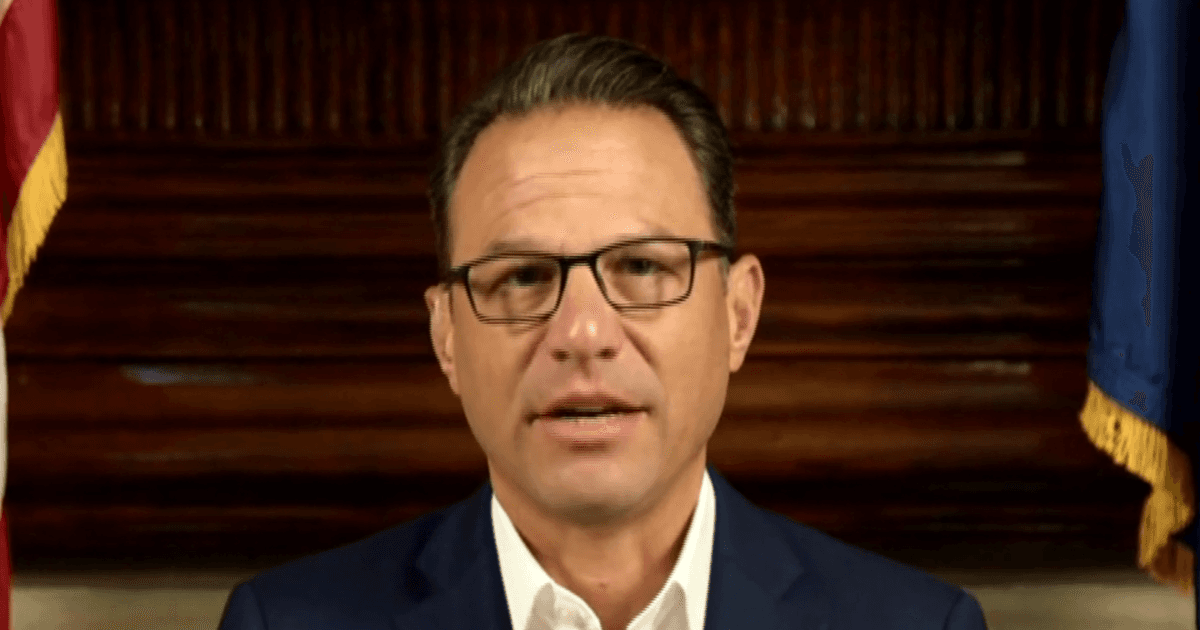
Pennsylvania has enacted what Governor Josh Shapiro calls the strictest data center regulations in the United States, marking a sharp pivot from the state's previous efforts to attract AI infrastructure investments.
Shapiro signed an executive order Tuesday establishing comprehensive review requirements for new data center projects, including mandatory municipal approval and a requirement that facilities generate their own power. The move comes after the Democratic governor observed developers disrupting communities across the commonwealth.
From attraction to restriction
The regulatory shift represents a notable reversal for Shapiro, who helped secure a $20 billion Amazon investment for two data centers in Pennsylvania last year. Speaking on CBS Mornings Wednesday, the governor distinguished between responsible developers and those he said are "running roughshod" through Pennsylvania communities.
Shapiro cited specific examples that shaped his thinking. In Lackawanna County, a developer proposed placing a data center at Eddie Staback Park, directly where parents typically sit during youth baseball games. In Montgomery County, approximately seven miles from the governor's location during the interview, another developer has proceeded despite community opposition in a densely populated area.
"We've seen too many developers who are trying to bulldoze our community with these speculative deals that are never going to come into reality, and they're wreaking havoc on our neighbors," Shapiro told CBS News.
Why it matters
The executive order addresses a growing tension between AI infrastructure needs and local quality of life. As artificial intelligence development drives exponential demand for data processing capacity, states face pressure to accommodate facilities that can strain power grids and disrupt established communities. Pennsylvania's approach establishes a template for balancing economic development with environmental and community protection—a challenge other states will increasingly confront as data center construction accelerates nationwide.
Public skepticism runs high
Shapiro's action aligns with broader public sentiment. Recent CBS News/YouGov polling shows Americans are more likely to oppose than support new data centers in their areas, though most respondents acknowledged knowing little about these facilities.
Data centers house networked computer servers, storage systems, and related equipment that process everything from email to AI workloads. The infrastructure has become critical as AI development demands unprecedented computing power.
New requirements
The executive order establishes multiple criteria for data center approval. Projects must demonstrate community support at the municipal level, provide independent power generation rather than drawing from existing grids, and undergo environmental impact review. The regulations consider energy consumption, environmental costs, and community effects.
Shapiro emphasized the state remains open to serious proposals that meet these standards. "If you've got a serious proposal that enjoys the support of the local community, that protects our environment, that generates power, then we're willing to talk to you and engage with you," he said.
The governor, considered a potential 2028 presidential candidate, insisted the policy stems from constituent concerns rather than political calculation.
These details were first reported by CBS News.
This is an original analysis by the Omega editorial team. Source reporting: AI Watch.
Want systems like this working for your business?
Book a Call
