McMahon Endorses Classroom AI Despite Lack of Learning Evidence
Education Secretary praises technology adoption while acknowledging comprehensive studies on student outcomes don't yet exist.
Education Secretary Linda McMahon publicly endorsed expanding artificial intelligence use in classrooms during a Sunday CNN interview, even as she conceded that comprehensive evidence demonstrating the technology's impact on student learning remains unavailable.
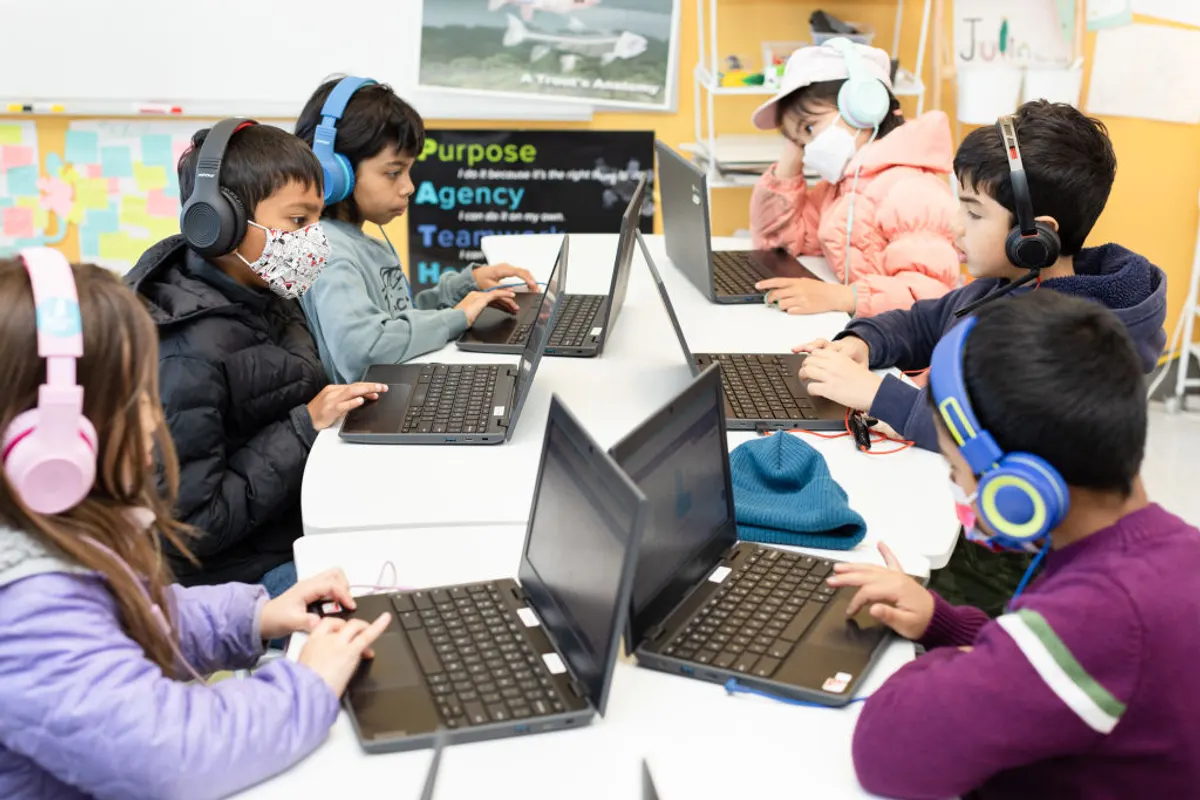
McMahon highlighted Alpha School in Austin, Texas, where students begin each day with two hours of AI-assisted instruction through headphones and computers while teachers monitor their progress. She described the AI programs as functioning like personalized tutors that adapt instruction based on individual learning speeds.
The Evidence Gap
When CNN's Dana Bash pressed McMahon on whether students were essentially serving as "guinea pigs for chatbots" given the absence of long-term studies on generative AI in education, the Secretary acknowledged the reality.
"There aren't a lot of metrics available now," McMahon said, though she maintained that the Austin school's approach was "working wonderfully" after several years of implementation.
The admission creates tension with guidance the Education Department issued just days earlier, which instructs schools to evaluate educational technology based on evidence of improved student outcomes.
Nationwide Implementation Challenges
Thirty-seven states have already issued guidance on AI in schools, according to details first reported by Salon. Districts are shifting from initial concerns about students using chatbots for cheating toward developing AI literacy programs that teach both usage and limitations.
Those limitations can be substantial. A recent AI training session for South Carolina educators revealed an AI-generated world map that misspelled Mali as "Mail," labeled Egypt "Sopth," and replaced Libya with a country called "Africa."
Why it matters
The federal government's simultaneous promotion of classroom AI adoption and acknowledgment that effectiveness data doesn't exist places schools in a difficult position. Districts must decide whether to invest in unproven technology while waiting for research that could take years to produce meaningful results. The stakes are particularly high given that these decisions affect millions of students during critical learning years.
Guardrails Without Definition
McMahon emphasized that AI should not replace human teachers and called for "AI with guardrails," though she did not specify what those safeguards should entail. She said schools should monitor whether AI tools improve outcomes and remove ineffective ones, while allowing parents to object when they believe the technology isn't helping their children.
"Nothing should replace that one-on-one teacher interaction with students," McMahon said, adding that effective implementation depends on teachers' ability to interact with students and ensure peer communication continues.
The comments leave schools to determine independently where boundaries should exist as they navigate technology adoption without comprehensive research to guide their decisions.
These details were first reported by Salon.
This is an original analysis by the Omega editorial team. Source reporting: AI Watch.
Want systems like this working for your business?
Book a Call
