McDonald's Tests Google-Powered AI Drive-Thru at Five Locations
The ArchIQ system handles orders in two languages and completes 90% without human intervention, signaling broader automation push across fast food.
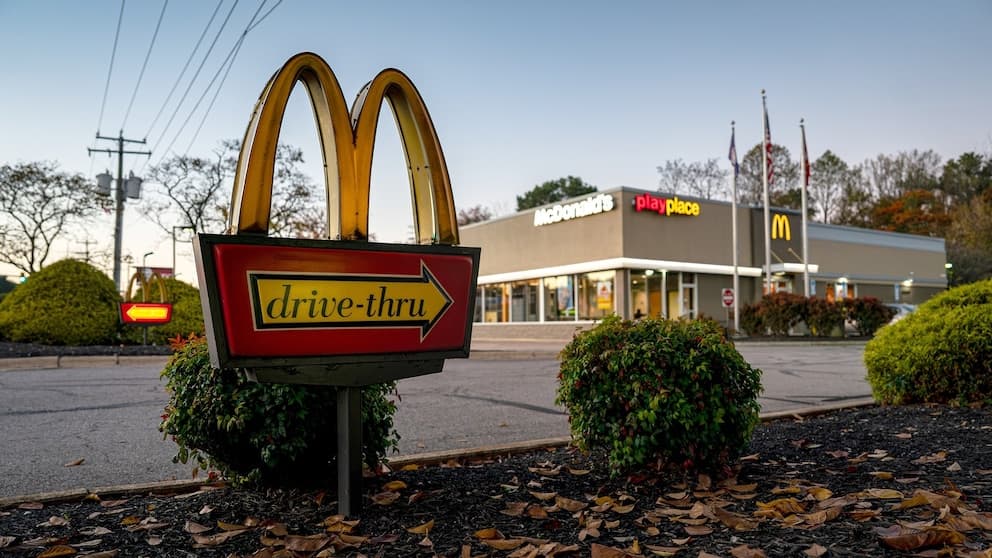
McDonald's is piloting artificial intelligence technology that could fundamentally change how customers order at the drive-thru, testing a Google-powered platform called ArchIQ at five U.S. locations.
The company unveiled the system at its 2026 worldwide convention, where a franchise owner demonstrated how the AI—nicknamed "Archy"—greets customers, processes orders, handles modifications, and displays totals before directing drivers to the pickup window. According to the franchise owner, 90% of orders have been completed without requiring human staff to intervene.
Bilingual capability and repeat customer recognition
ArchIQ operates in both English and Spanish and includes features designed for regular customers, including the ability to respond to requests like "Can I get my usual?" The system processes customer changes in real time, pausing to confirm modifications before finalizing each order.
The pilot represents McDonald's latest attempt at drive-thru automation after the company discontinued a previous test in 2024 when videos of incorrect orders circulated widely on social media, according to Restaurant Business.
Why it matters
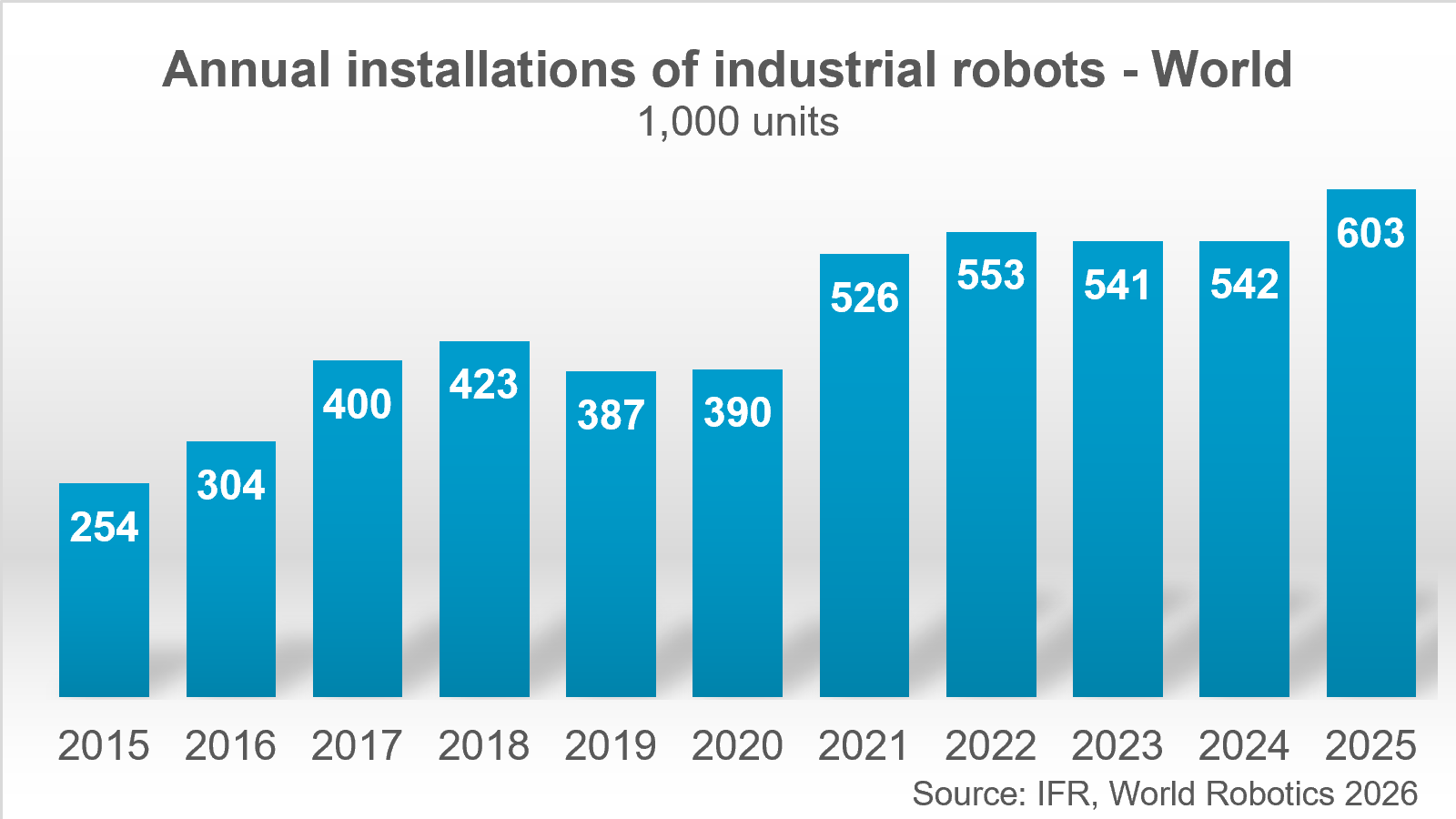
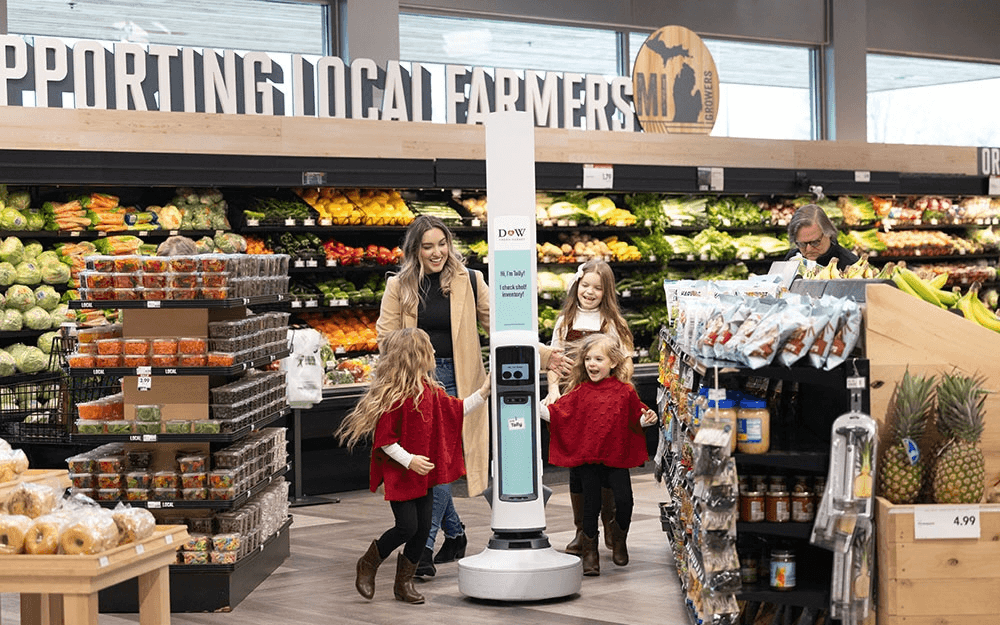
McDonald's move reflects a broader industry shift toward automation that could reshape fast-food employment and customer experience. With Taco Bell and Wendy's already deploying similar systems, the technology could become standard across major chains within five to ten years—potentially eliminating human order-taking entirely at some locations. For business leaders, this signals both the maturation of conversational AI and mounting pressure to balance operational efficiency with customer preference for human interaction.
Strategic context from leadership
In a recent company memo, McDonald's CEO Chris Kempczinski acknowledged that automation reduces customer-crew interactions, raising the stakes for remaining human touchpoints. "With fewer interactions, the bar for hospitality that makes people feel seen, welcomed, and valued only goes up," he wrote, while emphasizing the company's need to demonstrate value amid persistent inflation concerns.
Jonathan Maze, editor-in-chief of Restaurant Business, told ABC News the technology represents a fundamental operational shift. "You are literally automating a task that was taken by a person," he said. "The stated goal that companies use when they use this is to free up an employee's time to do something else."
Maze suggested the implications extend well beyond current pilots: "You can imagine a future five, 10 years down the line, where no orders at McDonald's are actually taken by a human being."
Mixed reception and unclear rollout plans
Social media reaction to the franchise owner's demonstration has skewed negative, with many users expressing preference for human workers. A minority welcomed the prospect of faster, more streamlined ordering.
McDonald's has not announced plans for wider deployment. The company states the system aims to improve speed, accuracy, and experience for both customers and employees, not to eliminate positions.
These details were first reported by ABC News.
This is an original analysis by the Omega editorial team. Source reporting: The Verge.
Want systems like this working for your business?
Book a Call