Enterprise
Maybank CTO explains why the bank won't rush agentic AI
Malaysia's largest lender is investing $2.5 billion in tech but prioritizes trust and auditability over speed in customer-facing AI deployment.
Key takeaways
- Maybank is investing $2.5 billion in technology over five years but won't deploy customer-facing AI agents until they're auditable and predictable.
- The bank is already using AI extensively for internal staff assistance and has equipped its operations center with AI tools to prevent system failures.
- Maybank's CTO advocates a venture capital approach to AI pilots: experiment widely, then scale what works.
- Recent AI-powered cyberattacks on Asian financial institutions have heightened security concerns as banks expand fintech partnerships.
- The bank's cautious stance contrasts with Singaporean competitors already deploying autonomous agents for thousands of clients.
Malaysia's largest bank is deliberately taking a slower path to agentic AI than some of its regional competitors, even as Singaporean rivals deploy autonomous agents for thousands of clients.
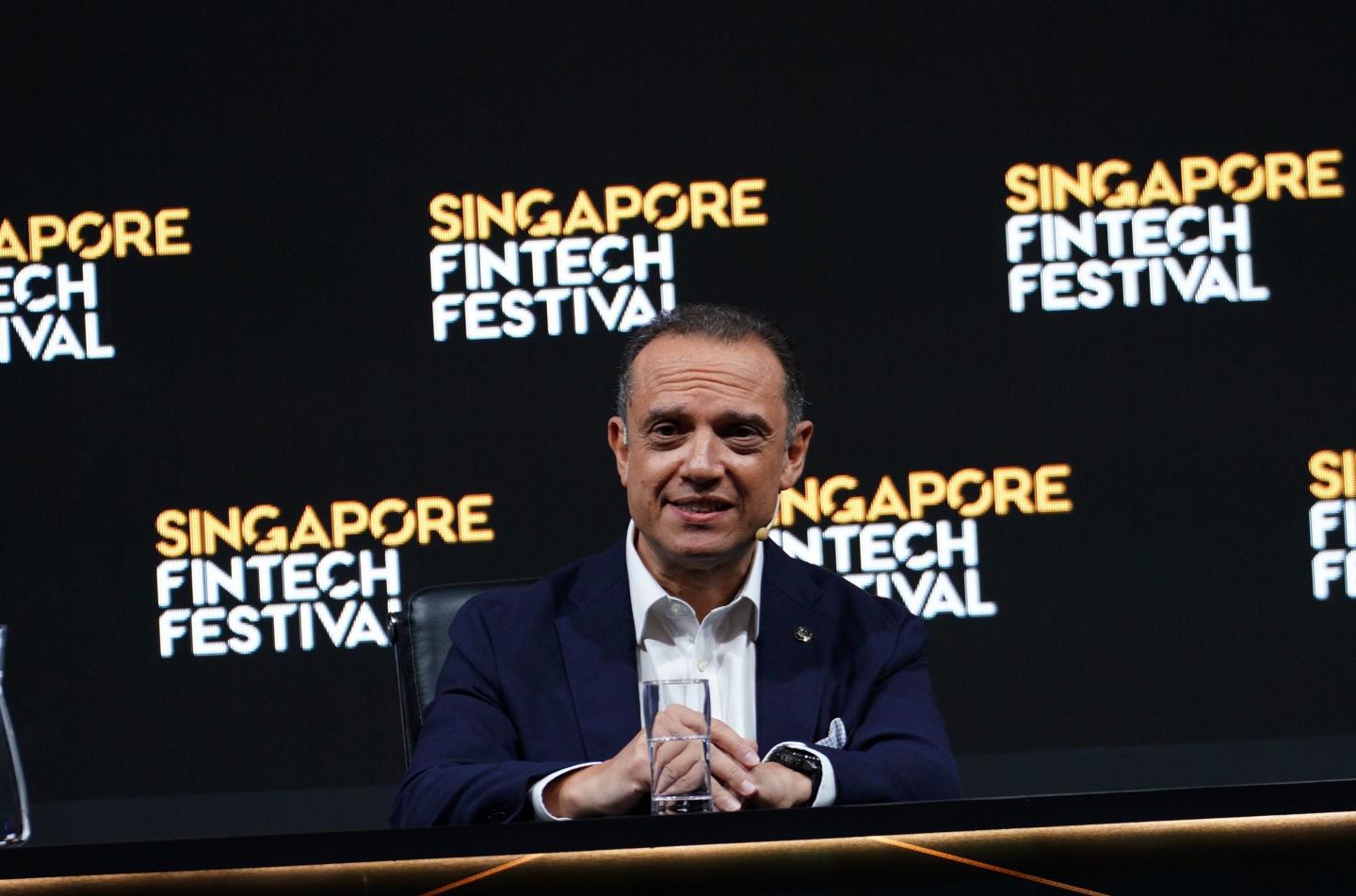
Giorgio Migliarina, chief technology officer at Maybank, told Fortune that the bank won't compromise customer trust for marginal productivity gains. His reasoning centers on a familiar technology adoption pattern: initial overestimation of impact followed by long-term underestimation.
"Banking is based on trust, and you don't want to put trust in jeopardy just to have a one-month acceleration," Migliarina said at the Singapore FinTech Festival, as first reported by Fortune.
Why it matters
Maybank's approach reflects a strategic tension facing financial institutions globally: how to capture AI's efficiency gains without exposing customers to unpredictable systems. The bank's position matters because it controls significant market share across Malaysia, Singapore, and Indonesia—and its technology choices influence how millions of customers experience AI in banking.
Internal deployment first
Maybank is allocating 10 billion Malaysian ringgit ($2.5 billion) over five years to technology, data, and AI under its ROAR30 plan. The bank is already using AI extensively as assistants and recommendation engines for staff, but customer-facing autonomous agents remain in proof-of-concept stage.
Migliarina's threshold for customer deployment is clear: agents must be auditable and predictable. "It can't be that if I ask agents the same question twice, I get two different answers—that still needs to be fine-tuned, and we will fine-tune it," he explained.
Operations center gets AI upgrade
The bank announced in October that it would equip its Resilience Operations Centre with AI tools from ServiceNow across its three main markets. The upgraded center will use AI to detect early signs of system degradation—what Migliarina compared to a lightbulb's flicker before it fails.
The technology aims to filter normal activity from small degradations that require preemptive action, helping prevent system outages before they occur.
VC mindset for AI pilots
Migliarina, who spent nearly three decades in telecommunications with Vodafone and Telkom Malaysia before joining Maybank, advocates applying venture capital thinking to AI experimentation within regulated industries.
"You let a thousand flowers bloom, and when some flowers bloom bigger than others, you adjust your focus," he said. The approach accepts that some pilots will fail while others generate returns that justify the broader investment.
Cybersecurity concerns mount
The CTO also flagged emerging cybersecurity threats, noting that recent attacks on financial institutions across Asia—including Japan's SMBC Consumer Finance and multiple South Korean banks—are suspected of being AI-powered. Each new fintech or payments partnership expands the potential attack surface, he noted.
Despite these challenges, Migliarina emphasized that Maybank's strategy isn't passive. "It's not a wait-and-see approach," he concluded. "But it's again not rushing and breaking things in the process."
These details were first reported by Fortune.