Massachusetts Governor Pushes for Independent AI Safety Reviews
Maura Healey wants third-party evaluations of powerful AI models and faster incident reporting as part of state economic development legislation.
Massachusetts Proposes Framework for AI Oversight
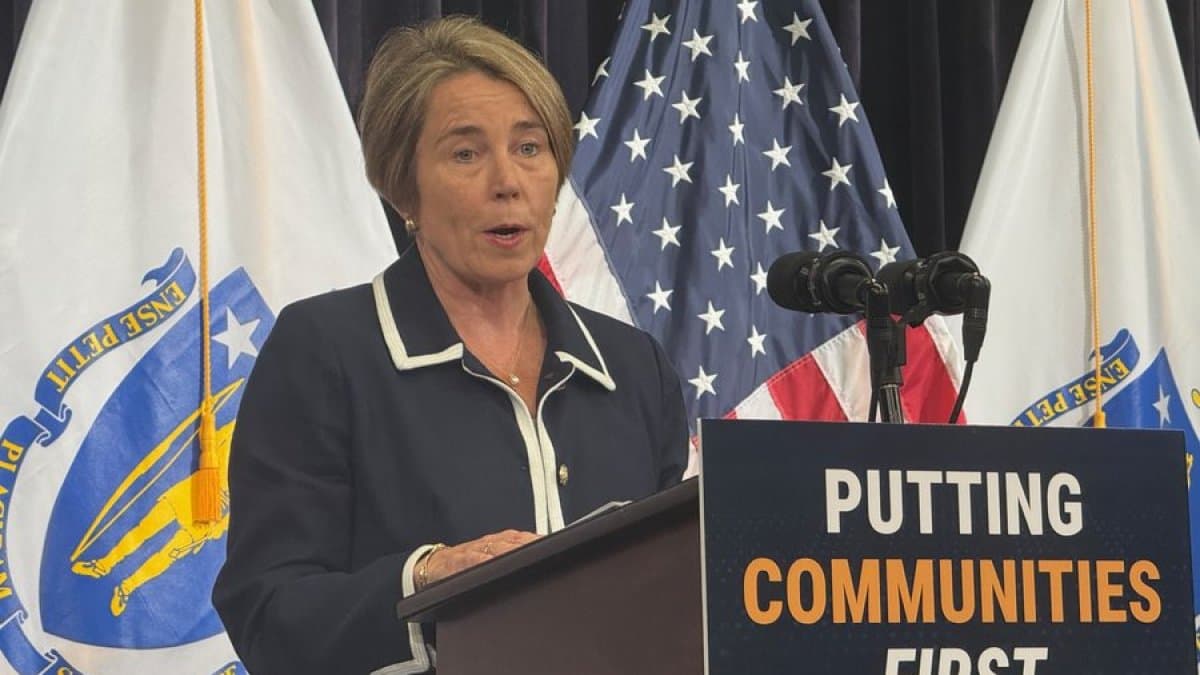
Massachusetts Governor Maura Healey is advancing a proposal that would require independent safety evaluations of the most powerful artificial intelligence models and mandate earlier reporting of serious incidents to state authorities.
The governor submitted her recommendations to the conference committee negotiating the Mass Wins Act, a state economic development bill currently under legislative review. Healey's proposals build on AI safety provisions already included in the Senate version of the legislation.
According to NBC Boston, which first reported the details, Healey emphasized that the state cannot allow AI technology to advance faster than its ability to implement appropriate safeguards. She argued that responsibility for managing AI risks should not rest solely with technology companies.
Why It Matters
Massachusetts is home to leading AI research institutions and technology companies, making its regulatory approach particularly significant for the broader tech industry. The governor's framework attempts to balance innovation leadership with public safety — a tension that states nationwide are now confronting as AI capabilities rapidly expand. How Massachusetts resolves this balance could influence other states developing their own AI governance models.
Two Core Requirements
Healey's proposal centers on two specific mechanisms:
Independent Safety Evaluations: Rather than relying exclusively on companies to assess their own AI systems, the framework would establish a pathway for third-party reviews of the most powerful models. The governor called for collaboration among government agencies, industry, and academic institutions to develop robust safety standards and build the technical expertise necessary to conduct these evaluations.
Accelerated Incident Reporting: Companies would be required to report serious safety incidents to state authorities more quickly than current practices allow. This earlier notification would give Massachusetts greater visibility into emerging risks and enable faster response before harm spreads to additional users.
Balancing Innovation and Protection
In her statement to legislators, Healey acknowledged AI's potential to advance scientific discovery, strengthen industries, improve public services, and create economic opportunities for Massachusetts residents and businesses. However, she noted that rapid AI development raises substantial concerns about safety, accountability, privacy, civil rights, workforce impacts, and public trust.
The governor emphasized that Massachusetts researchers, entrepreneurs, and businesses should continue leading in AI innovation while operating within a framework that protects state residents.
Broader State Action
Massachusetts joins a growing number of states developing AI governance frameworks. As federal AI regulation remains limited, states are taking independent action to establish safety and transparency requirements for AI systems operating within their borders.
The details were first reported by NBC Boston.
This is an original analysis by the Omega editorial team. Source reporting: AI Watch.
Want systems like this working for your business?
Book a Call